
• Home
  • Books
    • Beatrice and the Nightingale
    • Sharks Unhooked: The Adventures of Cristina Zenato, Underwater Ranger
    • Giant Rays of Hope: Protecting Manta Rays to Safeguard the Sea
    • A River’s Gifts: The Mighty Elwha River Reborn
    • Planet Ocean
    • Eavesdropping on Elephants
    • Neema’s Reason To Smile
    • Zoo Scientists to the Rescue
    • Sea Otter Heroes: The Predators That Saved an Ecosystem
    • Plastic, Ahoy! Investigating the Great Pacific Garbage Patch
    • Ebola: Fears and Facts
    • Jingle the Brass
    • Nugget on the Flight Deck
    • Surviving Animal Attacks
    • Elite Operations series
    • Energy Lab series
    • QuickReads Fluency Library
    • Books for English language-learners
    • Writers write all kinds of things
  • Author Visit Programs
    • FAQs
    • Calendar
  • Blog
  • Educator Resources
    • Teach the Hope
    • Earth Day Every Day newsletter archive
    • Teacher Guides
    • STEM + Literacy Activities
    • LitLinks
    • KidLit creators who make kids want to read
  • Writer Resources
    • Writing Classes
    • Manuscript or Proposal Critiques
    • How I got my start
  • Who is Patricia Newman?
  • Contact
    • Stay In Touch
    • Earth Day Every Day newsletter archive
Patricia NewmanPatricia Newman
Sibert Honor Children's Book Author & Environmentalist
  • Home
  • Books
    • Beatrice and the Nightingale
    • Sharks Unhooked: The Adventures of Cristina Zenato, Underwater Ranger
    • Giant Rays of Hope: Protecting Manta Rays to Safeguard the Sea
    • A River’s Gifts: The Mighty Elwha River Reborn
    • Planet Ocean
    • Eavesdropping on Elephants
    • Neema’s Reason To Smile
    • Zoo Scientists to the Rescue
    • Sea Otter Heroes: The Predators That Saved an Ecosystem
    • Plastic, Ahoy! Investigating the Great Pacific Garbage Patch
    • Ebola: Fears and Facts
    • Jingle the Brass
    • Nugget on the Flight Deck
    • Surviving Animal Attacks
    • Elite Operations series
    • Energy Lab series
    • QuickReads Fluency Library
    • Books for English language-learners
    • Writers write all kinds of things
  • Author Visit Programs
    • FAQs
    • Calendar
  • Blog
  • Educator Resources
    • Teach the Hope
    • Earth Day Every Day newsletter archive
    • Teacher Guides
    • STEM + Literacy Activities
    • LitLinks
    • KidLit creators who make kids want to read
  • Writer Resources
    • Writing Classes
    • Manuscript or Proposal Critiques
    • How I got my start
  • Who is Patricia Newman?
  • Contact
    • Stay In Touch
    • Earth Day Every Day newsletter archive
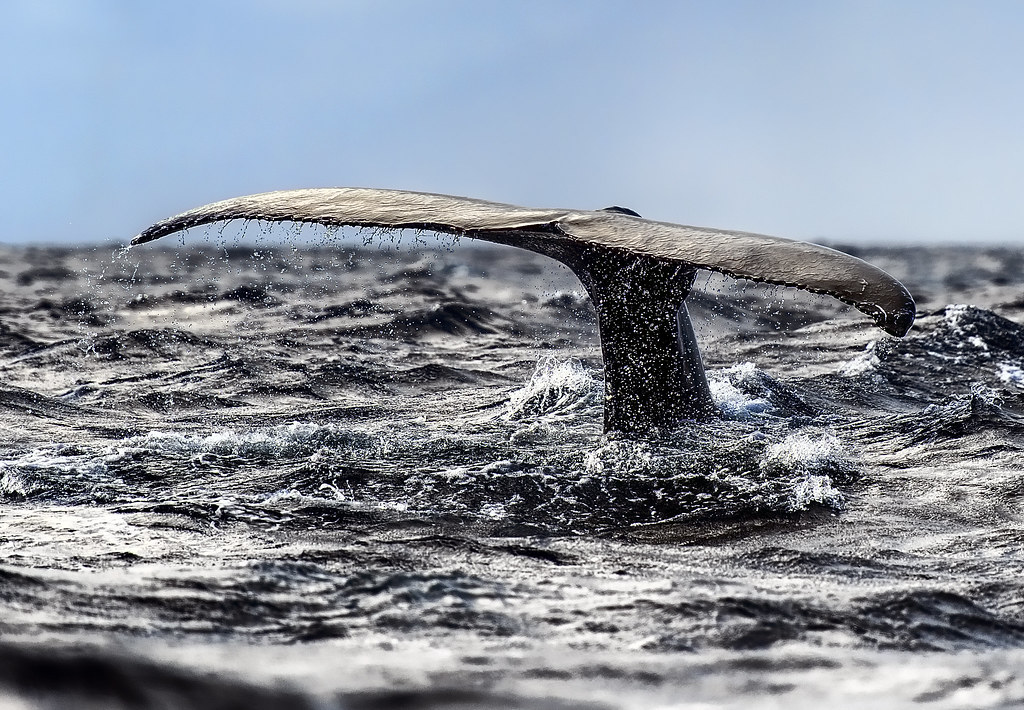
"Humpback-Whale"-by-Christopher.Michel-is-licensed-under-CC-BY-2.0.

LitLinks: 6 easy ways to study water pollution in your classroom

June 10, 2026 LitLinks, LitLinks-Grade 3-5, LitLinks-Grade 6-8 No Comments
LitLinks Logo-2022

GUEST BLOGGER NANCY CASTALDO

Whales-in-the-City-cover

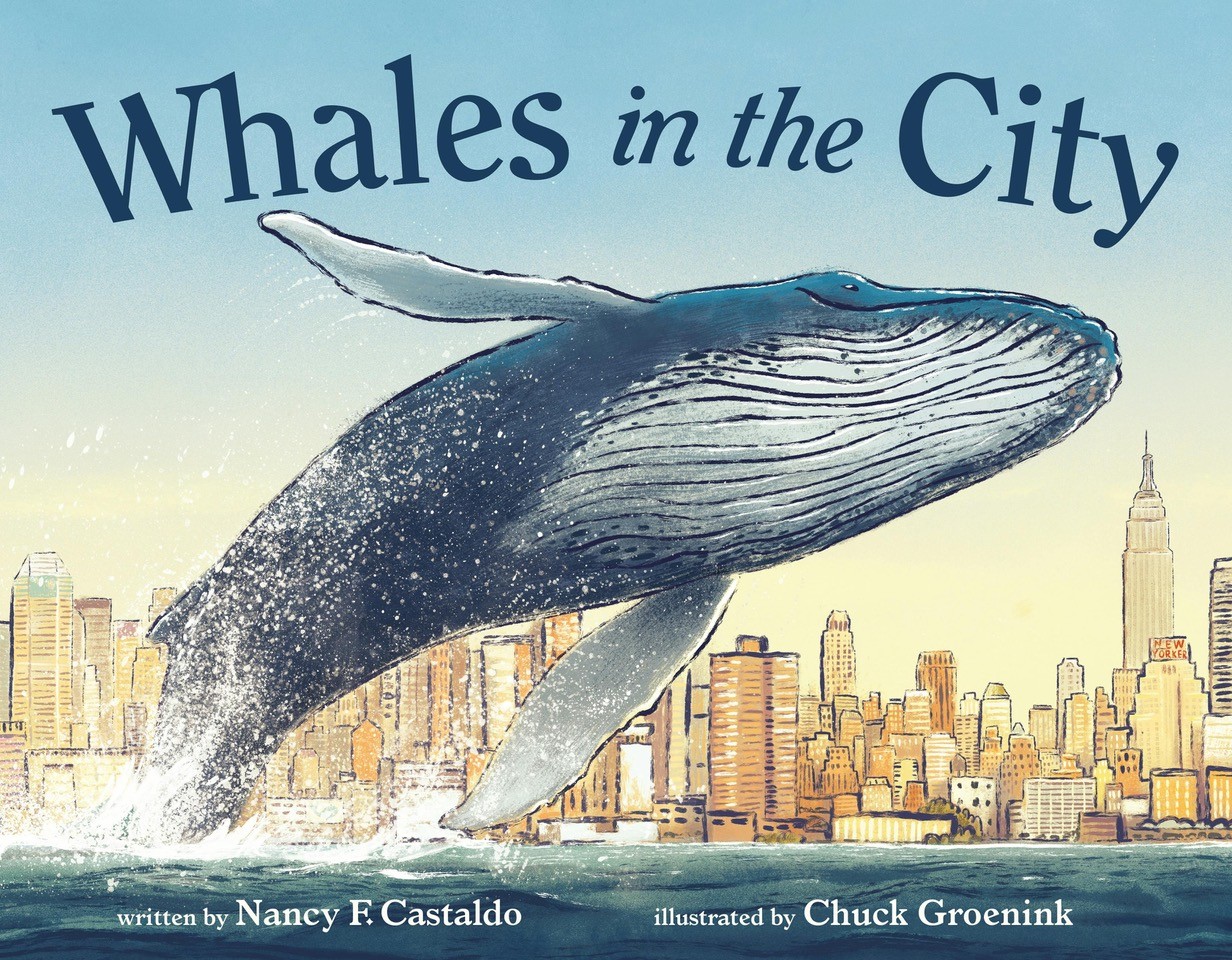
What happens when people come together to clean up a dirty river? In Whales in the City by Nancy Castaldo, young readers discover the powerful story of how the Hudson River—a once-polluted waterway—was brought back to life, making it safe again for whales to return to the waters around Manhattan Island after abandoning them for over 100 years to live, feed, and raise young! This nonfiction picture book will spark conversations about science, nature, water pollution, and how young students can help protect our environment.

Look at the learning objectives

  • Understand that whales once left New York Harbor because the water was too polluted.
  • Learn how people helped clean the Hudson River, allowing whales to return.
  • Explore how science and teamwork protect animals and their habitats.
  • Practice reading comprehension, prediction, compare/contrast, and simple environmental concepts.

Pre-reading activity: Then and Now

Materials: Chart paper or whiteboard, markers

Ask students if what they think animals need to live safely near or in a city.  Draw a T-chart on the class white board labeled :
Then: Hudson River 100 years ago | Now: Hudson River Today

Leave the chart mostly blank for now and have students fill it during a post-read discussion.

Read: Whales in the City by Nancy Castaldo, illustrated by Chuck Groenink.

As you read to students, pause to look at images of the river then and now. Emphasize key vocabulary: pollution, clean-up, habitat, scientists, recovery. Ask questions like:

  • “Why did the whales leave?”
    • “What did people do to help the river?”
    • “How do scientists know whales are back?”
Interior-image-Whales-in-the-City
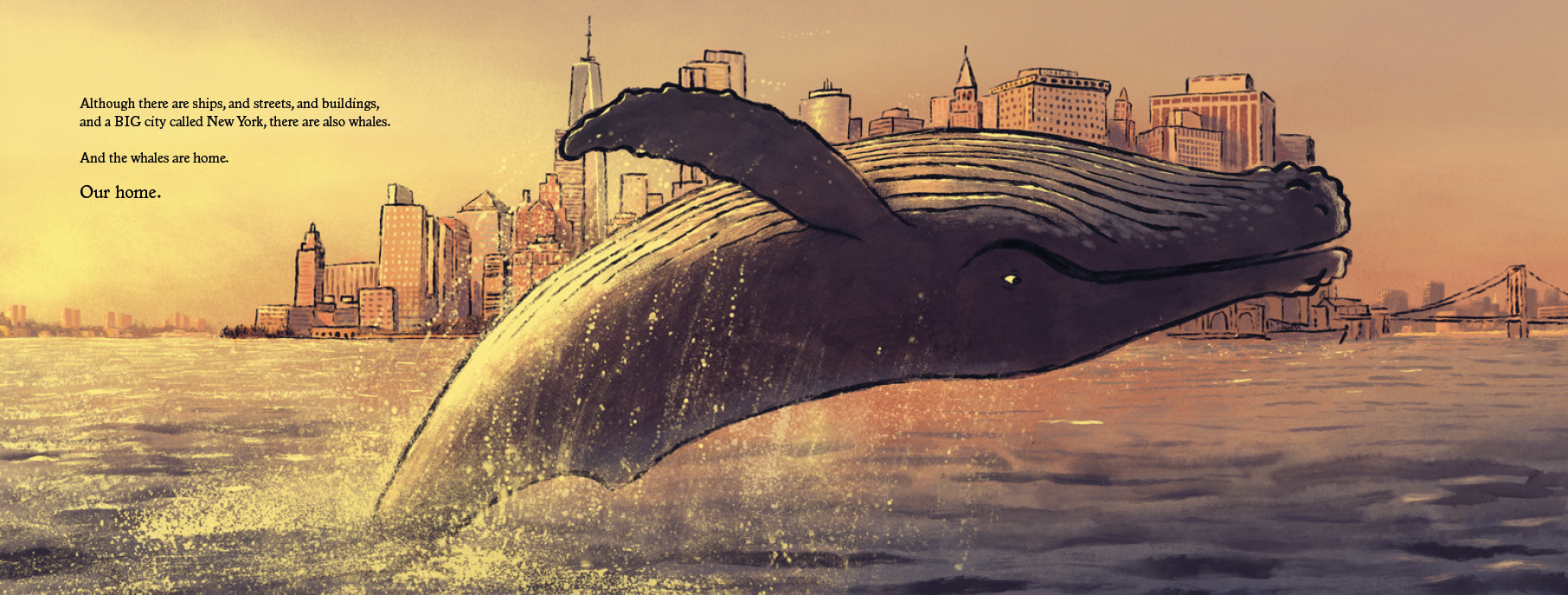
From Whales in the City by Nancy Castaldo, illustrated by Chuck Groenink (Farrar, Straus & Giroux, 2025)

Science connection: River detectives

Objective: Understand how pollution affects water and how clean-up makes a difference.

  • Fill two clear containers with clean water.
  • Keep one clean. Ask students to add ‘pollution’ such as bits of mud, trash, oil drops, spoons of paint, to the other.
  • Ask students comparative questions: “Which one would you want to swim in?”, “Which is healthier for whales’ bodies?”, “Which is better for their food source to grow in?”

Discuss:

  • “How did the Hudson River change over time?”
  • “Why is clean water important for whales—and for us?”

Art activity: A river worth saving

Divide your paper in half. On one side: dark water, garbage, sad animals, and big boats.

On the other: blue water, fish, whales, birds, and sail boats.

Add the captions:

  • “This river is not safe.”
  • “Now whales are back!”

Following book reading and activities, ask students:

  • “What can we do to keep rivers and oceans clean?”
  • “How do you think the whales feel swimming in the water now?”

Make a list together on a whiteboard of the actions everyone can take. Possibilities include:

  • Never litter
  • Recycle
  • Use less plastic
  • Talk to others about protecting animals

Writing prompt

“If I saw a whale in the water, I would…”
Encourage students to draw and write one or two sentences, write a poem to express how they’d feel, or what they’d do if they saw a whale swimming near their city.

Revisit the Then and Now chart

Fill in the chart together, such as:

ThenNow
Dirty waterClean water
No whalesWhales have returned
Trash and oilFish, birds, and whales live there
People didn’t take care of itPeople worked hard to fix it

Say together:
“We can all make a difference!”

Whales in the City is more than a science story—it’s a hopeful reminder that when people work together we can fix what’s broken in nature. Even young children can be environmental heroes!

I hope this book will be a spark that inspires your students to protect the world around them because even rivers in big cities can be wild and full of wonder again.

Featured image credit: “Humpback Whale” by Christopher.Michel is licensed under CC BY 2.0.

Nancy-Castaldo-headshot

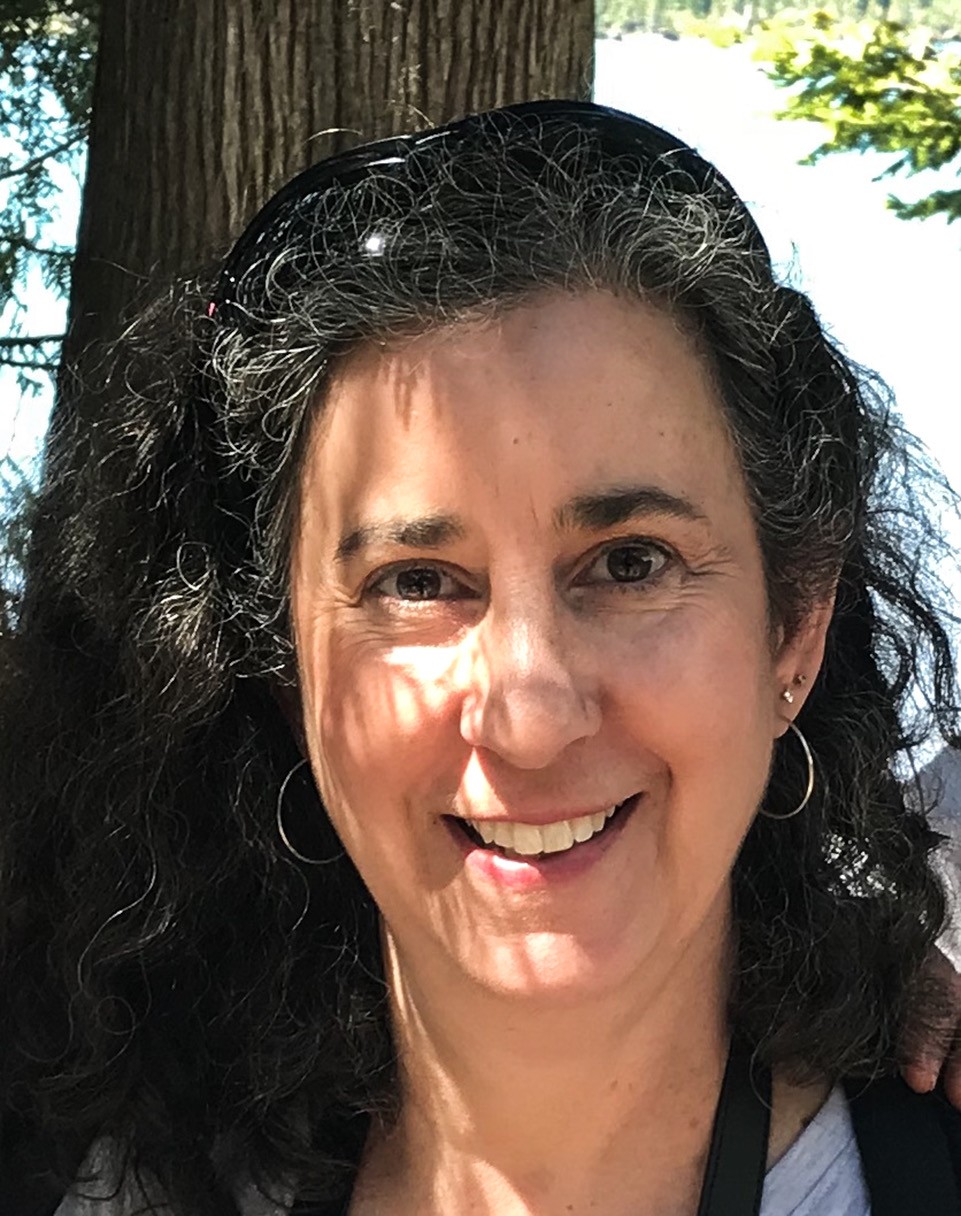
Award-winning author Nancy Castaldo has been writing picture books, chapter books, middle grade, and young adult books about our planet for decades. Her work has received numerous honors, including the Green Earth Book Award, two Crystal Kite Awards, the NSTA Best STEM Book designation, Eureka Silver Honors, ALA Notable, two Riverby Awards, and multiple Junior Library Guild Gold selections. Nancy believes in the power of individuals to make a difference—a message that resonates throughout all her books. While her research has taken her across the globe, her recent releases, Whales in the City and Riverkeeper, focus closer to her Hudson Valley home. Both provide a model for global change. Connect with Nancy on BlueSky, X, Facebook, Instagram, and Pinterest. Learn more at https://nancycastaldo.com.

Click for more LITLINKS STEM + Literacy activities

Tags: STEM+LiteracySTEM+Literacy Natural Science
No Comments
Share
0

You also might be interested in

Fossil rhinocerous-JamesSt.John

LitLinks: Follow the evidence, develop supporting arguments with these 3 easy activities

Jul 21, 2021

GUEST BLOGGER ALISON PEARCE STEVENS In the midst of climate[...]

LitLinks: Re-engineering the airplane

Apr 8, 2020

GUEST BLOGGER KIRSTEN W. LARSON Beyond the Wright Brothers In[...]

Child-eating-string-beans

LitLinks: How to use vining vegetables to inspire concrete poetry

Apr 24, 2024

GUEST BLOGGER MÉLINA MANGAL Students will use their senses to[...]

Leave a Reply

Your email is safe with me.
Cancel Reply

Click the logo to have LitLinks delivered to your inbox

LitLinks Logo-2022

Author Visits

https://youtu.be/zj6n-RFOcPA?si=8WCTnyXbTiwYumYo
https://youtu.be/ziN0UrqaDYI

Earth Day Every Day Newsletter Archive

Earth-Day-Every-Day-newsletter-banner

Post Categories:

Blog Archive

Top Posts

LitLinks: How to share our ocean connections with kids and teens

LitLinks: Let’s learn to decode photos in STEM nonfiction

LitLinks: How Elephants Can Make Your Sound Unit ROAR!

LitLinks: Easy ways to build students’ science communication skills

Proof that science connects kids to the larger world

Recent Comments

  • Cynthia Argentine on LitLinks: 5 simple steps for comparing birdsong with instrumental music Wonderful integration of music and science and nature! I'm a…
  • Cynthia Argentine on LitLinks: How to observe like a scientist and write like a poet Great observations of the links between science and poetry!
  • Margaret Quinlin on LitLinks: Exploring time and sequence in nature and narrative What a creative exercise for students!
Empowering young readers to act

Latest Blog Posts

  • LitLinks: 6 easy ways to study water pollution in your classroom
    LitLinks: 6 easy ways to study water pollution in your classroom
  • LitLinks: Show students how to add tension, movement & awe to their writing
    LitLinks: Show students how to add tension, movement & awe to their writing
  • LitLinks: Easy lessons to inspire students to think like an architect
    LitLinks: Easy lessons to inspire students to think like an architect

Connect with me on social media

Action Shots

Check out the STEM Tuesday Blog

© 2026 — Patricia Newman

  • Home
  • Books
    • Beatrice and the Nightingale
    • Sharks Unhooked: The Adventures of Cristina Zenato, Underwater Ranger
    • Giant Rays of Hope: Protecting Manta Rays to Safeguard the Sea
    • A River’s Gifts: The Mighty Elwha River Reborn
    • Planet Ocean
    • Eavesdropping on Elephants
    • Neema’s Reason To Smile
    • Zoo Scientists to the Rescue
    • Sea Otter Heroes: The Predators That Saved an Ecosystem
    • Plastic, Ahoy! Investigating the Great Pacific Garbage Patch
    • Ebola: Fears and Facts
    • Jingle the Brass
    • Nugget on the Flight Deck
    • Surviving Animal Attacks
    • Elite Operations series
    • Energy Lab series
    • QuickReads Fluency Library
    • Books for English language-learners
    • Writers write all kinds of things
  • Author Visit Programs
    • FAQs
    • Calendar
  • Blog
  • Educator Resources
    • Teach the Hope
    • Earth Day Every Day newsletter archive
    • Teacher Guides
    • STEM + Literacy Activities
    • LitLinks
    • KidLit creators who make kids want to read
  • Writer Resources
    • Writing Classes
    • Manuscript or Proposal Critiques
    • How I got my start
  • Who is Patricia Newman?
  • Contact
    • Stay In Touch
    • Earth Day Every Day newsletter archive
Prev