

• Home
  • Books
    • Beatrice and the Nightingale
    • Sharks Unhooked: The Adventures of Cristina Zenato, Underwater Ranger
    • Giant Rays of Hope: Protecting Manta Rays to Safeguard the Sea
    • A River’s Gifts: The Mighty Elwha River Reborn
    • Planet Ocean
    • Eavesdropping on Elephants
    • Neema’s Reason To Smile
    • Zoo Scientists to the Rescue
    • Sea Otter Heroes: The Predators That Saved an Ecosystem
    • Plastic, Ahoy! Investigating the Great Pacific Garbage Patch
    • Ebola: Fears and Facts
    • Jingle the Brass
    • Nugget on the Flight Deck
    • Surviving Animal Attacks
    • Elite Operations series
    • Energy Lab series
    • QuickReads Fluency Library
    • Books for English language-learners
    • Writers write all kinds of things
  • Author Visit Programs
    • FAQs
    • Calendar
  • Blog
  • Educator Resources
    • Teach the Hope
    • Earth Day Every Day newsletter archive
    • Teacher Guides
    • STEM + Literacy Activities
    • LitLinks
    • KidLit creators who make kids want to read
  • Writer Resources
    • Writing Classes
    • Manuscript or Proposal Critiques
    • How I got my start
  • Who is Patricia Newman?
  • Contact
    • Stay In Touch
    • Earth Day Every Day newsletter archive
Patricia NewmanPatricia Newman
Sibert Honor Children's Book Author & Environmentalist
  • Home
  • Books
    • Beatrice and the Nightingale
    • Sharks Unhooked: The Adventures of Cristina Zenato, Underwater Ranger
    • Giant Rays of Hope: Protecting Manta Rays to Safeguard the Sea
    • A River’s Gifts: The Mighty Elwha River Reborn
    • Planet Ocean
    • Eavesdropping on Elephants
    • Neema’s Reason To Smile
    • Zoo Scientists to the Rescue
    • Sea Otter Heroes: The Predators That Saved an Ecosystem
    • Plastic, Ahoy! Investigating the Great Pacific Garbage Patch
    • Ebola: Fears and Facts
    • Jingle the Brass
    • Nugget on the Flight Deck
    • Surviving Animal Attacks
    • Elite Operations series
    • Energy Lab series
    • QuickReads Fluency Library
    • Books for English language-learners
    • Writers write all kinds of things
  • Author Visit Programs
    • FAQs
    • Calendar
  • Blog
  • Educator Resources
    • Teach the Hope
    • Earth Day Every Day newsletter archive
    • Teacher Guides
    • STEM + Literacy Activities
    • LitLinks
    • KidLit creators who make kids want to read
  • Writer Resources
    • Writing Classes
    • Manuscript or Proposal Critiques
    • How I got my start
  • Who is Patricia Newman?
  • Contact
    • Stay In Touch
    • Earth Day Every Day newsletter archive
"question-mark-?"-by-Leo-Reynolds-is-licensed-under-CC-BY-NC-SA-2.0.

LitLinks: Phenomena are authentic ways to bring science into ELA

June 17, 2026 LitLinks, LitLinks-Grade 3-5, LitLinks-Grade 6-8, LitLinks-Grade K-2 No Comments
LitLinks Logo-2022

GUEST BLOGGER EMILY STARR


Is your pre-reading picture book walk predictable? Is your KWL (Know, Want to Know, Learned) losing its luster? Phenomena to the rescue! While picture walks and KWL charts are tried-and-true strategies for activating background knowledge, using phenomena are phenomenal to level-up your pre-reading routine. Let’s talk about what phenomena are, why phenomena are engaging and effective in ELA (English Language Arts), and how to implement this strategy today!

What are phenomena?
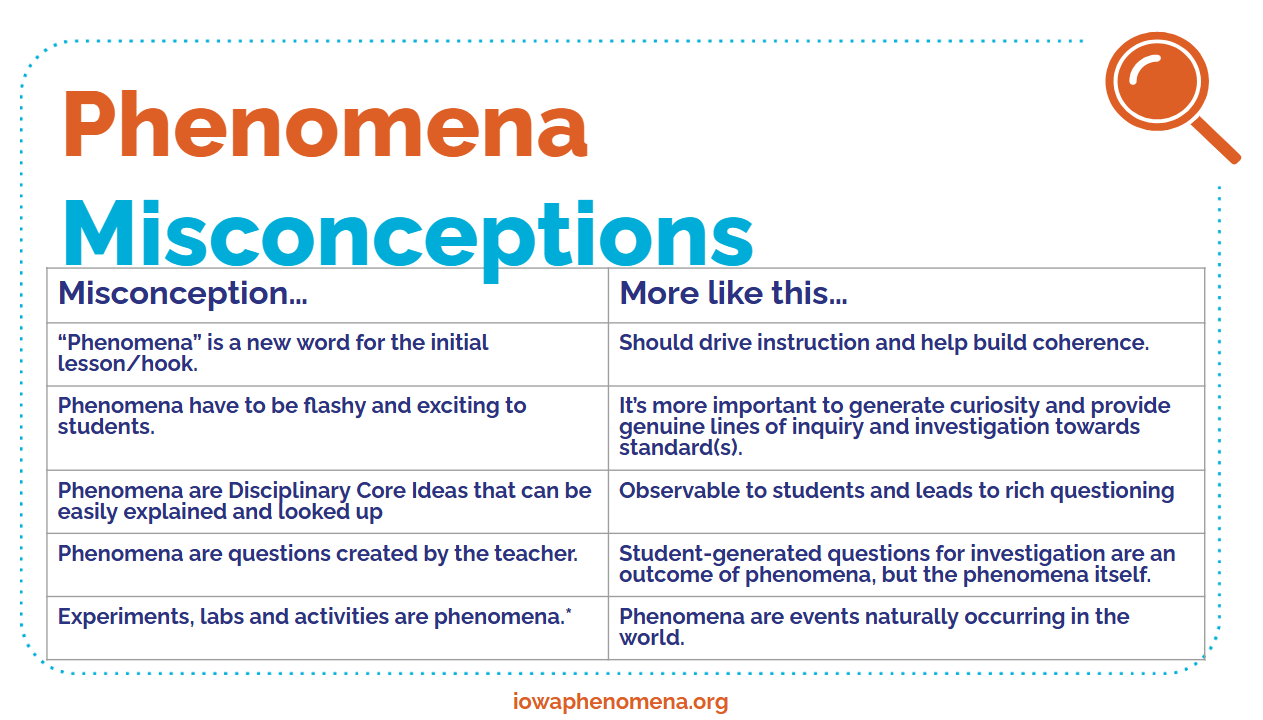
phenomena-misconceptions

Natural phenomena are observable events that occur in the universe that cause one to wonder and ask questions and that we can use our science knowledge to explain or predict. Phenomena are all around you from the sun rising in the sky to a squirrel hiding nuts in your backyard to the dust on your windowsill. Scientists observe and make sense of phenomena–and our students should too!

Phenomena are the foundation of high-quality science instruction. Students should be noticing and wondering about phenomena in order to develop questions they can investigate to make sense of their observations. This is called sensemaking, and it puts our students in the position of actively doing science instead of passively receiving a list of facts.

Why are phenomena engaging and effective in ELA?

Which brings us to the reasons you should begin leveraging this effective science practice in your ELA instruction:

#1 It increases science time.

If you are an elementary teacher (who teaches all subjects), how much time do you spend teaching science? If it is more than 20 minutes per day, you are above average according to the National Science Teaching Association. When you bring phenomena into ELA, you increase the number of opportunities students have to engage in scientific discussions.

#2 It builds background knowledge equitably.

If you are about to read a book about the beach you might ask students, “Tell me about a time you visited a beach.” Or “What do you know about beaches?” The problem? Many of your students may have no experience with beaches, so they can’t participate.

Instead, you could show students a video of a walk on a beach and a variety of photographs of beaches–rocky, different colored sand, etc. This approach not only encourages students to think about the defining characteristics of a beach, but it also creates a common classroom experience so every student can participate and build their own concept of a beach.

beaches-collage
Beaches collage
#3 It piques student curiosity and engagement.

Showing students a phenomenon before you read a nonfiction text causes them to ask questions and want to discover the answers. Instead of asking specific questions that can narrow creative thinking, you can ask: What do you notice? What does that cause you to wonder? This open-ended questioning helps you to uncover student background knowledge and allows students to build off of one another’s ideas.

How to implement 4 forms of phenomena

Each form is paired with a picture book it would be perfect to introduce.

Videos

This video of scientists discovering a whale fall can be used to introduce Life After Whale: The Amazing Ecosystem of a Whale Fall by Lynn Brunelle.
Beatrice-and-the-Nightingale-cover

Tip: Turn the sound and captions off or else the narration gives away what you want students to be curious about.

Audio

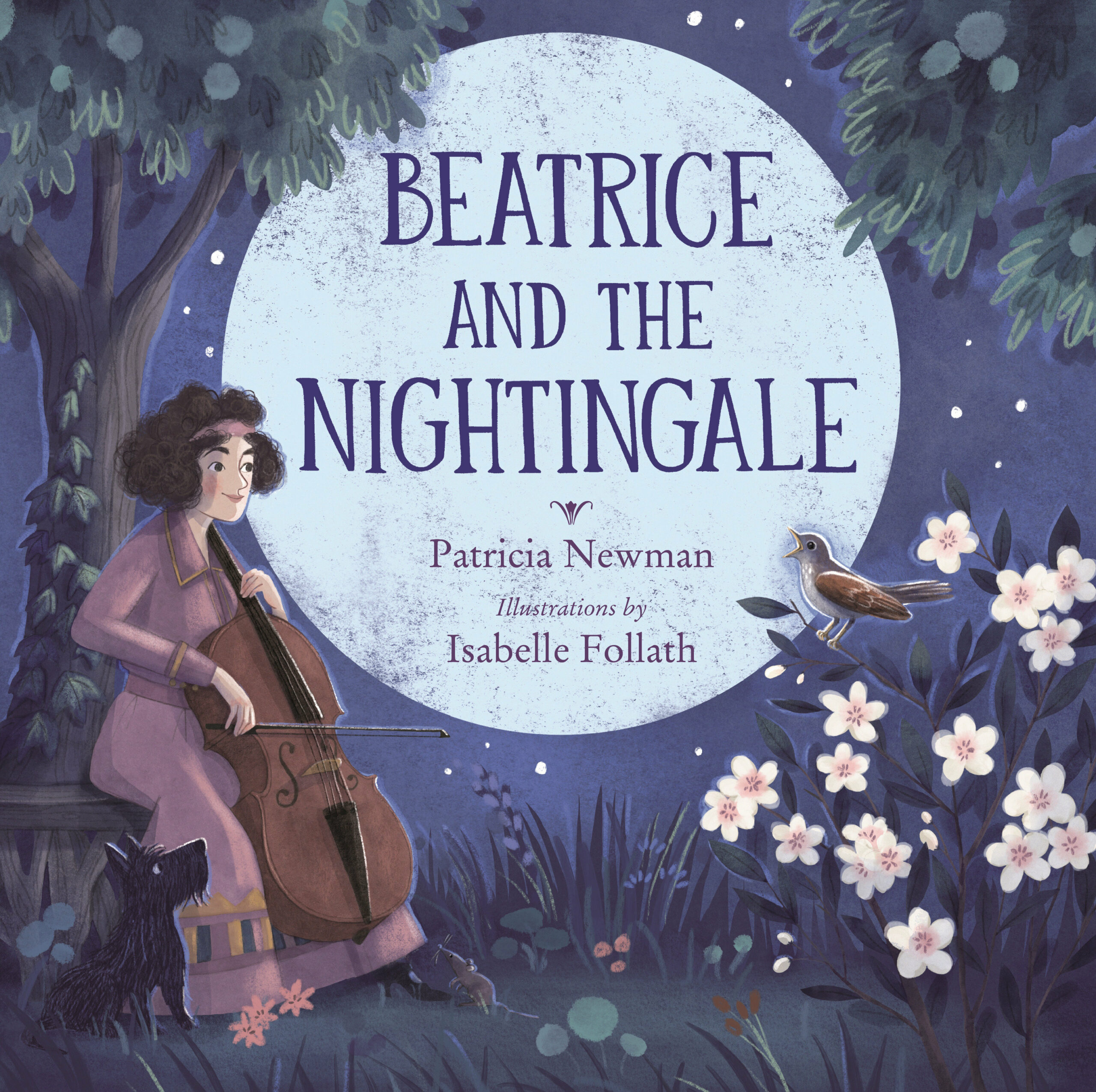
Play this audio recording of Beatrice Harrison playing the cello in her garden before you read Beatrice and the Nightingale by Patricia Newman. (Art + Science!)

Photographs

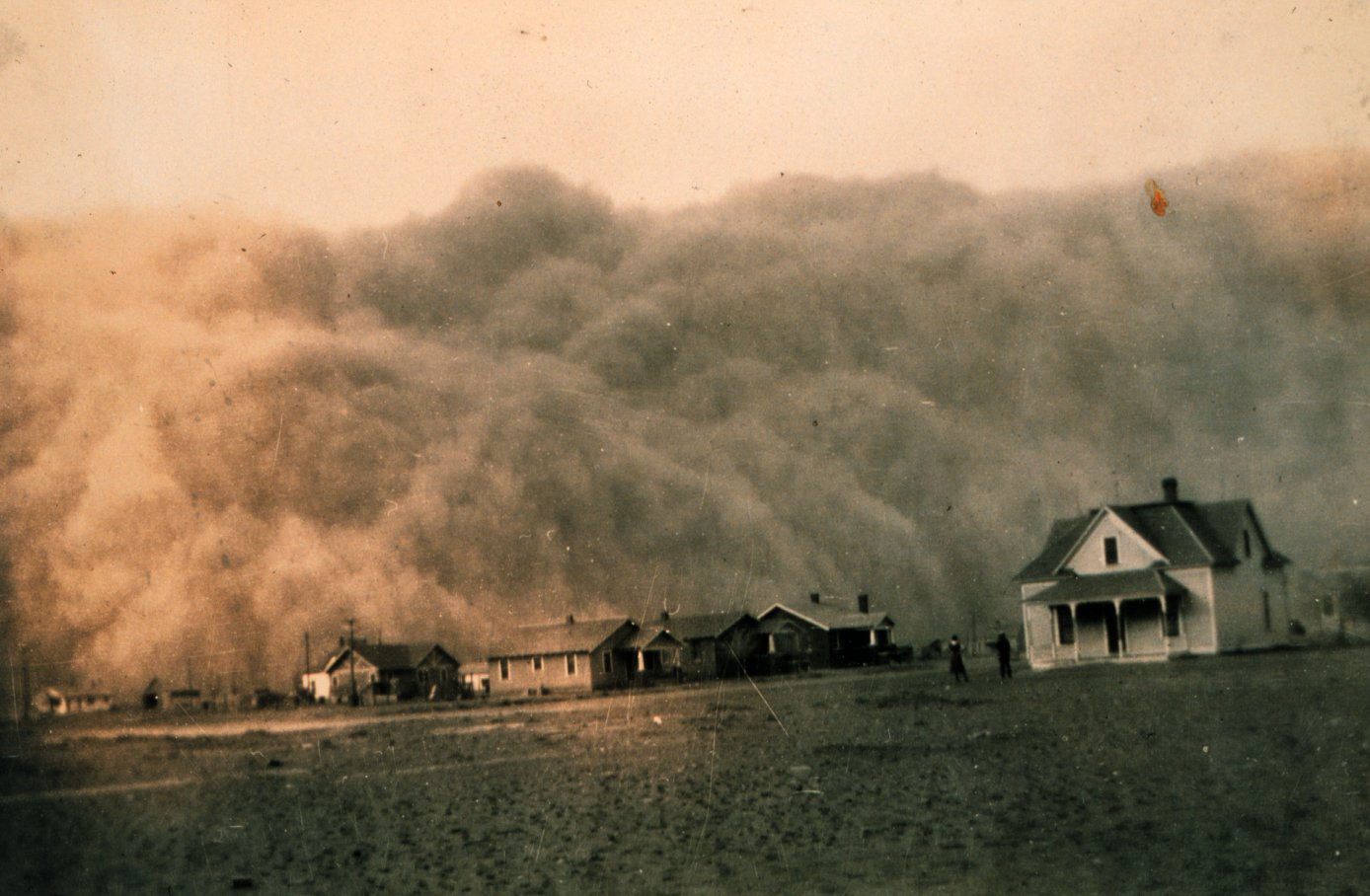
Students can notice and wonder about photos of the great dust bowl before reading Erosion: How Hugh Bennett Saved America’s Soil and Ended the Dust Bowl by Darcy Pattison. (Social Studies + Science!)
dust-bowl
Dust bowl
Data

Ask students to analyze road kill data before reading Make Way for Animals!: A World of Wildlife Crossings by Meeg Pincas.

#1 Tip: For younger students, provide a smaller sub-set of the data.

#2 Tip: When you can, choose local data because it makes the learning more relevant.

#3 Tip: Sometimes when you request authentic data, you will continue to receive that data. I am now lucky to be on the quarterly roadkill report email list for the state of Colorado!

Just imagine: If you introduced one read aloud per day with a phenomenon, that’s 180 scientific conversations you would spark throughout the school year!

Featured image credit: “question mark ?” by Leo Reynolds is licensed under CC BY-NC-SA 2.0.

Emily-Starr-headshot

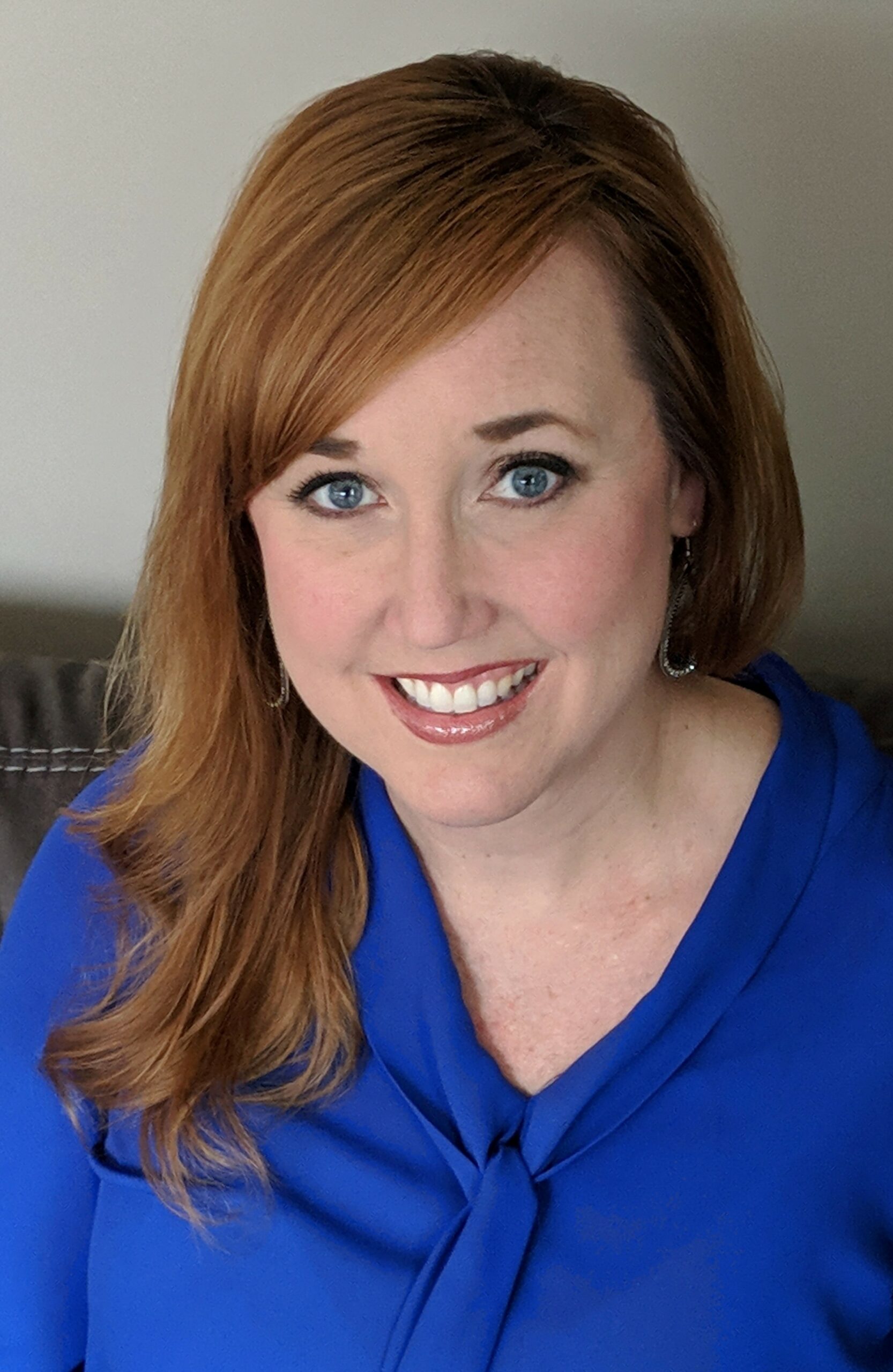
Emily Starr is an author, former elementary educator and owner of the STEM publishing company, StarrMatica. She writes award-winning curriculum and professional learning resources for educators and provides online courses and coaching for STEM authors. She contributes to the Iowa Science Leadership Team, is a peer reviewer for NSTA’s journal, Science and Children, and presents at state and national reading and science conferences. You can sign up for Emily’s educator newsletter or browse her 700+ STEM picture book guides at www.starrmatica.com. Find more of Emily’s resource recommendations on Facebook, Instagram
Click for more LITLINKS STEM + Literacy activities

Tags: STEM+LiteracySTEM+Literacy Natural Science
No Comments
Share
0

You also might be interested in

ELP_2004_Apr2004_Apr152004_Carissa I front
Scientists believe elephants paint themselves with mud to guard against the sun and insects.

LitLinks: How animal adaptations connect to the accessories kids wear

Dec 9, 2020

GUEST BLOGGER JENNA GRODZICKI Wild Style: Amazing Animal Adornments introduces[...]

"Fallen tree" by nahid-v is licensed under CC BY 2.0.

LitLinks: How to teach about narrative arc with a mentor text

May 15, 2024

GUEST BLOGGER LESLIE BARNARD BOOTH In One Day This Tree[...]

Primate-gorilla

LitLinks: How to use primates to teach across the curriculum

Jan 4, 2023

GUEST BLOGGER DEBRA KEMPF SHUMAKER In PECULIAR PRIMATES, kids learn[...]

Leave a Reply

Your email is safe with me.
Cancel Reply

Click the logo to have LitLinks delivered to your inbox

LitLinks Logo-2022

Author Visits

https://youtu.be/zj6n-RFOcPA?si=8WCTnyXbTiwYumYo
https://youtu.be/ziN0UrqaDYI

Earth Day Every Day Newsletter Archive

Earth-Day-Every-Day-newsletter-banner

Post Categories:

Blog Archive

Top Posts

LitLinks: How to share our ocean connections with kids and teens

LitLinks: Let’s learn to decode photos in STEM nonfiction

LitLinks: How Elephants Can Make Your Sound Unit ROAR!

LitLinks: Easy ways to build students’ science communication skills

Proof that science connects kids to the larger world

Recent Comments

  • Cynthia Argentine on LitLinks: 5 simple steps for comparing birdsong with instrumental music Wonderful integration of music and science and nature! I'm a…
  • Cynthia Argentine on LitLinks: How to observe like a scientist and write like a poet Great observations of the links between science and poetry!
  • Margaret Quinlin on LitLinks: Exploring time and sequence in nature and narrative What a creative exercise for students!
Empowering young readers to act

Latest Blog Posts

  • LitLinks: Phenomena are authentic ways to bring science into ELA
    LitLinks: Phenomena are authentic ways to bring science into ELA
  • LitLinks: 6 easy ways to study water pollution in your classroom
    LitLinks: 6 easy ways to study water pollution in your classroom
  • LitLinks: Show students how to add tension, movement & awe to their writing
    LitLinks: Show students how to add tension, movement & awe to their writing

Connect with me on social media

Action Shots

Check out the STEM Tuesday Blog

© 2026 — Patricia Newman

  • Home
  • Books
    • Beatrice and the Nightingale
    • Sharks Unhooked: The Adventures of Cristina Zenato, Underwater Ranger
    • Giant Rays of Hope: Protecting Manta Rays to Safeguard the Sea
    • A River’s Gifts: The Mighty Elwha River Reborn
    • Planet Ocean
    • Eavesdropping on Elephants
    • Neema’s Reason To Smile
    • Zoo Scientists to the Rescue
    • Sea Otter Heroes: The Predators That Saved an Ecosystem
    • Plastic, Ahoy! Investigating the Great Pacific Garbage Patch
    • Ebola: Fears and Facts
    • Jingle the Brass
    • Nugget on the Flight Deck
    • Surviving Animal Attacks
    • Elite Operations series
    • Energy Lab series
    • QuickReads Fluency Library
    • Books for English language-learners
    • Writers write all kinds of things
  • Author Visit Programs
    • FAQs
    • Calendar
  • Blog
  • Educator Resources
    • Teach the Hope
    • Earth Day Every Day newsletter archive
    • Teacher Guides
    • STEM + Literacy Activities
    • LitLinks
    • KidLit creators who make kids want to read
  • Writer Resources
    • Writing Classes
    • Manuscript or Proposal Critiques
    • How I got my start
  • Who is Patricia Newman?
  • Contact
    • Stay In Touch
    • Earth Day Every Day newsletter archive
Prev