
• Home
  • Books
    • Beatrice and the Nightingale
    • Sharks Unhooked: The Adventures of Cristina Zenato, Underwater Ranger
    • Giant Rays of Hope: Protecting Manta Rays to Safeguard the Sea
    • A River’s Gifts: The Mighty Elwha River Reborn
    • Planet Ocean
    • Eavesdropping on Elephants
    • Neema’s Reason To Smile
    • Zoo Scientists to the Rescue
    • Sea Otter Heroes: The Predators That Saved an Ecosystem
    • Plastic, Ahoy! Investigating the Great Pacific Garbage Patch
    • Ebola: Fears and Facts
    • Jingle the Brass
    • Nugget on the Flight Deck
    • Surviving Animal Attacks
    • Elite Operations series
    • Energy Lab series
    • QuickReads Fluency Library
    • Books for English language-learners
    • Writers write all kinds of things
  • Author Visit Programs
    • FAQs
    • Calendar
  • Blog
  • Educator Resources
    • Teach the Hope
    • Earth Day Every Day newsletter archive
    • Teacher Guides
    • STEM + Literacy Activities
    • LitLinks
    • KidLit creators who make kids want to read
  • Writer Resources
    • Writing Classes
    • Manuscript or Proposal Critiques
    • How I got my start
  • Who is Patricia Newman?
  • Contact
    • Stay In Touch
    • Earth Day Every Day newsletter archive
Patricia NewmanPatricia Newman
Sibert Honor Children's Book Author & Environmentalist
  • Home
  • Books
    • Beatrice and the Nightingale
    • Sharks Unhooked: The Adventures of Cristina Zenato, Underwater Ranger
    • Giant Rays of Hope: Protecting Manta Rays to Safeguard the Sea
    • A River’s Gifts: The Mighty Elwha River Reborn
    • Planet Ocean
    • Eavesdropping on Elephants
    • Neema’s Reason To Smile
    • Zoo Scientists to the Rescue
    • Sea Otter Heroes: The Predators That Saved an Ecosystem
    • Plastic, Ahoy! Investigating the Great Pacific Garbage Patch
    • Ebola: Fears and Facts
    • Jingle the Brass
    • Nugget on the Flight Deck
    • Surviving Animal Attacks
    • Elite Operations series
    • Energy Lab series
    • QuickReads Fluency Library
    • Books for English language-learners
    • Writers write all kinds of things
  • Author Visit Programs
    • FAQs
    • Calendar
  • Blog
  • Educator Resources
    • Teach the Hope
    • Earth Day Every Day newsletter archive
    • Teacher Guides
    • STEM + Literacy Activities
    • LitLinks
    • KidLit creators who make kids want to read
  • Writer Resources
    • Writing Classes
    • Manuscript or Proposal Critiques
    • How I got my start
  • Who is Patricia Newman?
  • Contact
    • Stay In Touch
    • Earth Day Every Day newsletter archive
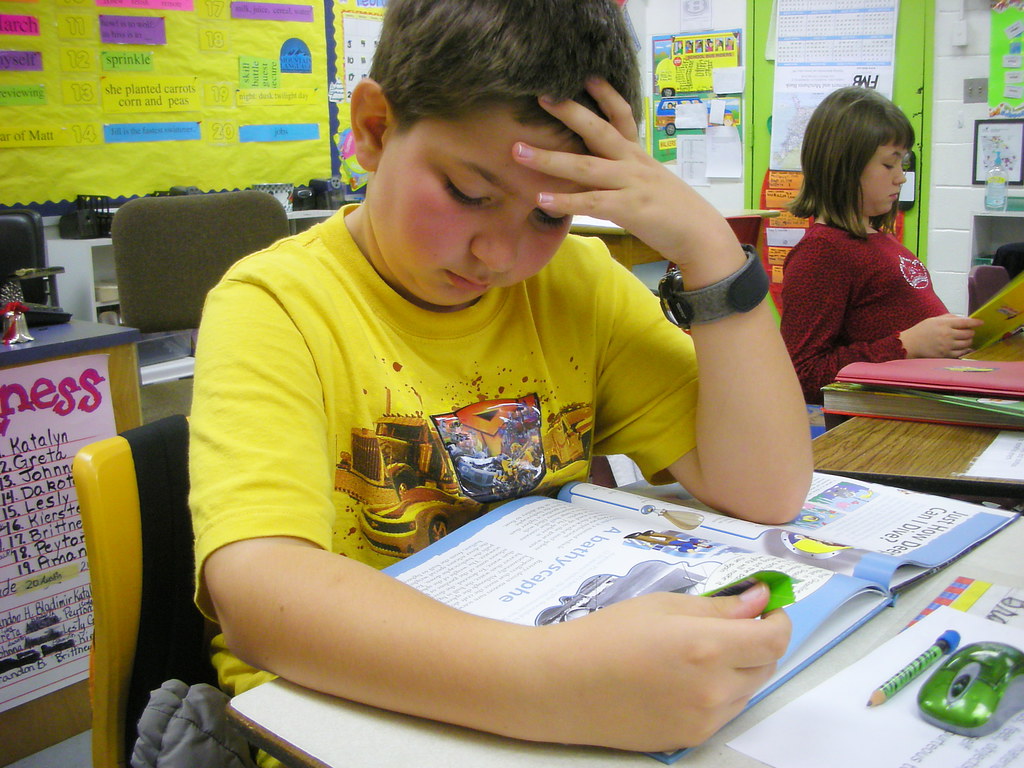
"Student-Reading"-by-Old-Shoe-Woman-is-licensed-under-CC-BY-NC-SA-2.0.

LitLinks: 5 easy steps to help students dig deep when they research

May 20, 2026 LitLinks, LitLinks-Grade 3-5, LitLinks-Grade 6-8, LitLinks-High School No Comments
LitLinks Logo-2022

GUEST BLOGGER MICHELLE CUSOLITO
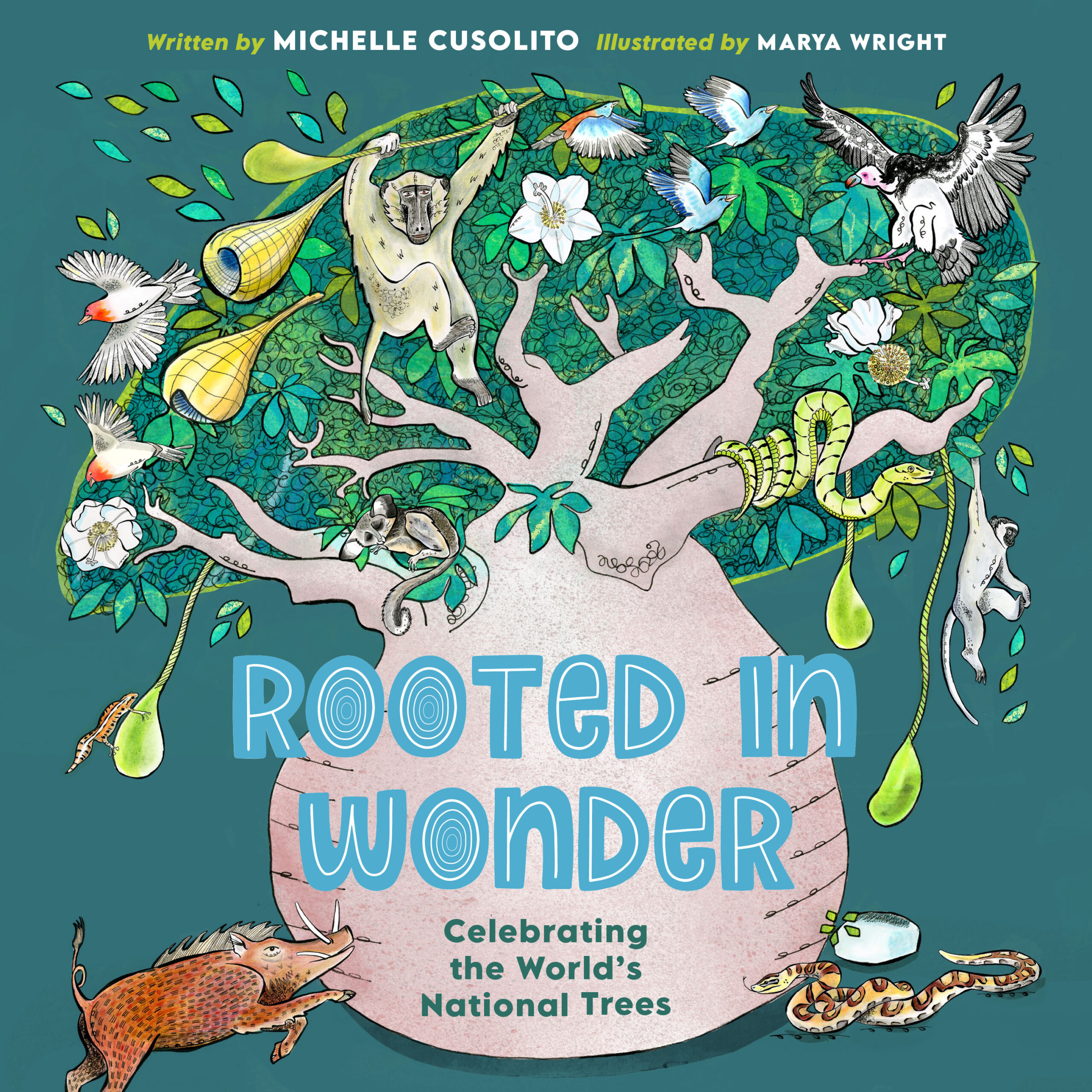

Rooted-in-Wonder-cover

Students are often assigned research papers or projects, yet they might limit their research to quickly “Googling” their topic and adding “facts” they gather in that initial search to their papers. How can you motivate them to dig deeper and go beyond the first details they discover in an on-line search? How might they create more engaging reports? This lesson invites students to learn deep research strategies by studying the work of professional writers.

Materials

  • Rooted in Wonder: Celebrating the World’s National Trees written by Michelle Cusolito and illustrated Marya Wright
  • Chart paper and markers or computer and projector
  • paper, pencils, and handout (get it here)
  • An assortment of other well-researched and documented, nonfiction picture books, such as:
    • My Antarctica by Greg Neri and
    • Planting Stories: The Life of Librarian and Storyteller Pura Belpré by Anika Aldamuy Denise and Paola Escobar
    • Jellyfish Scientist: Maude Delap and Her Mesmerizing Medusas by Michelle Cusolito and Ellen Rooney
    • Some of Us: A Story of Citizenship and the United States by Rajani LaRocca and Huy Voun Lee
    • Houdini’s Library by Barb Rosenstock and Mar Delmar
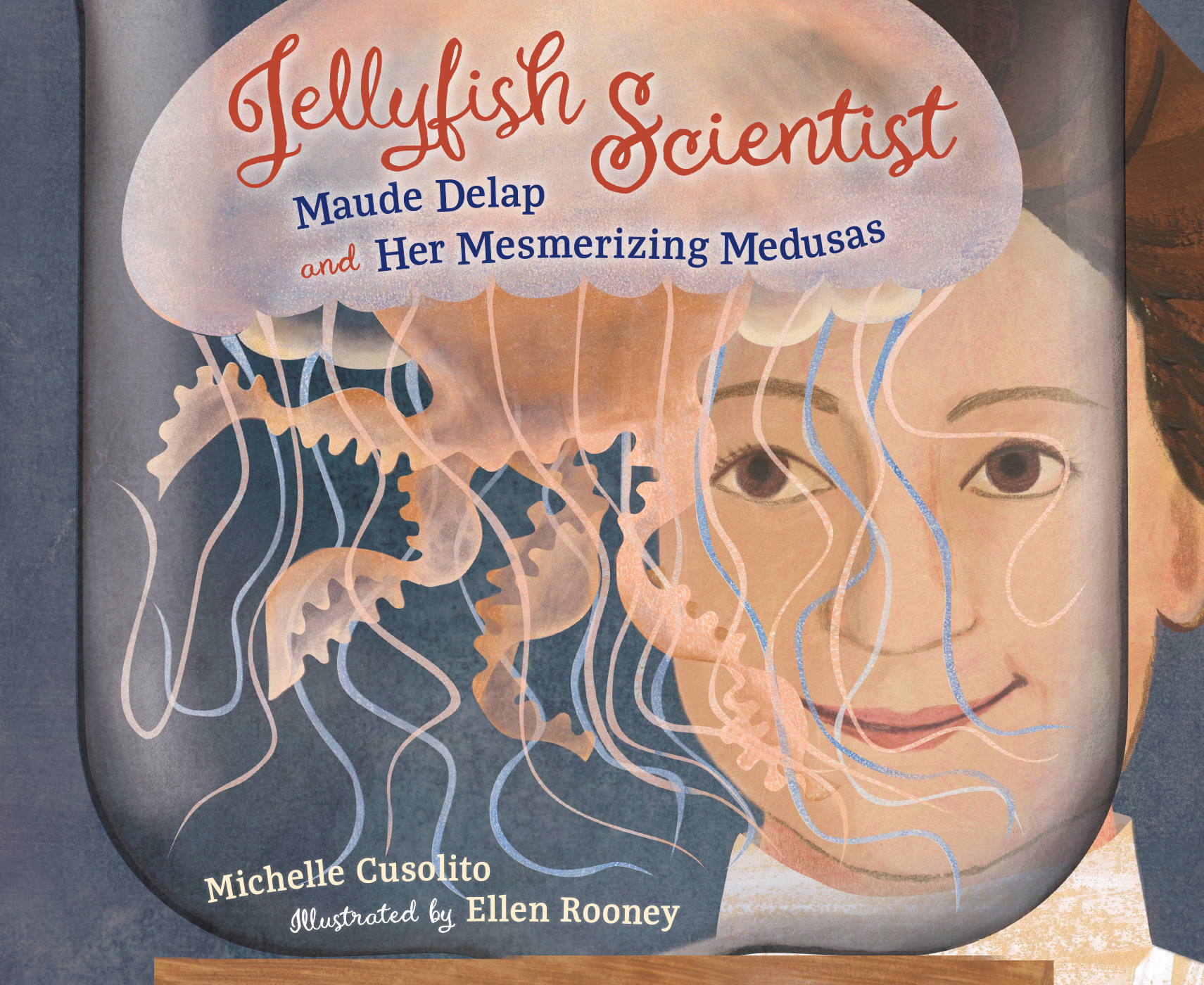
Jellyfish-Scientist-by-Michelle-Cusolito

Picture books are perfect for this lesson, even for middle school and high school students because they’re short enough to read in a single session and the back matter usually explains how the author researched.

Procedure:*

  • Read aloud Rooted in Wonder: Celebrating the World’s National Trees.
    • Be sure to read aloud the whole book including the dedication, and all of the back matter.
    • Focus students’ attention on the last two pages of the back matter: Author’s Note, Illustrator’s Note, and Learn More (Books, Websites, Sources, Acknowledgements).
  • On a chart paper (or the handout projected on a screen) document answers to these questions:
    • Read the Author’s and Illustrator’s notes? Why did they choose this topic? What connected them to the topic? (Takeaway: Both have a strong connection to trees which motivated them to write this book).
    • How did the author and illustrator conduct their research?
    • What kind of sources did they use? List them. (e.g. books, videos, articles, podcasts, websites).
      • Who created those sources?  (For example, scientists, a museum or other respected institution, journalists, etc).
      • Did any sources surprise you?
    • What did you learn from the author and/or illustrator about research that you will apply to your work?
  • Once you’ve modelled the process of reading the book and answering the questions, send students off in pairs to read a new book and complete their own worksheet.
  • Reconvene as a whole class and add new ideas to the original notes.

*Skip this whole group step with older students. Send them off to work in pairs to complete the first 3 bullet point using the worksheet. Then come together to share what they learned).

Takeaways

  • Choose your subject/topic carefully. You will do your best work if you’re excited and curious about the topic.
  • Research deeply. Focus on the quality of your sources. Wikipedia is not a valid source, BUT, you can go to the bottom of an entry and find the sources used to write that entry. Go to the original sources.
  • Conduct your own field research. You can’t go to Antarctica like Greg Neri, but you could research something in your own back yard such as the arrival of hummingbirds each spring or the habits of squirrels or pigeons in your area.
  • Consult experts. As part of their grants, scientists are expected to connect with the community. Email them! (Before you to that, learn as much as you can. Don’t ask an expert a question you could have answered on your own).
  • Especially for older students: Use Primary Sources whenever possible (e.g. letters, journals, photographs, newspaper articles written at the time of the event, maps, census records, scientific papers, etc). Many archives are now on-line. Use them!

TIP: In my state—Massachusetts—anyone who lives, works, or goes to school in MA is entitled to a Boston Public Library eCard, which gives them access to loads of resources, including published research papers and archives. See if your state has something similar.

Find additional resources and activity guides for Michelle’s books here. (Click on each book to find materials for that book).

Featured image credit: “Student Reading” by Old Shoe Woman is licensed under CC BY-NC-SA 2.0.
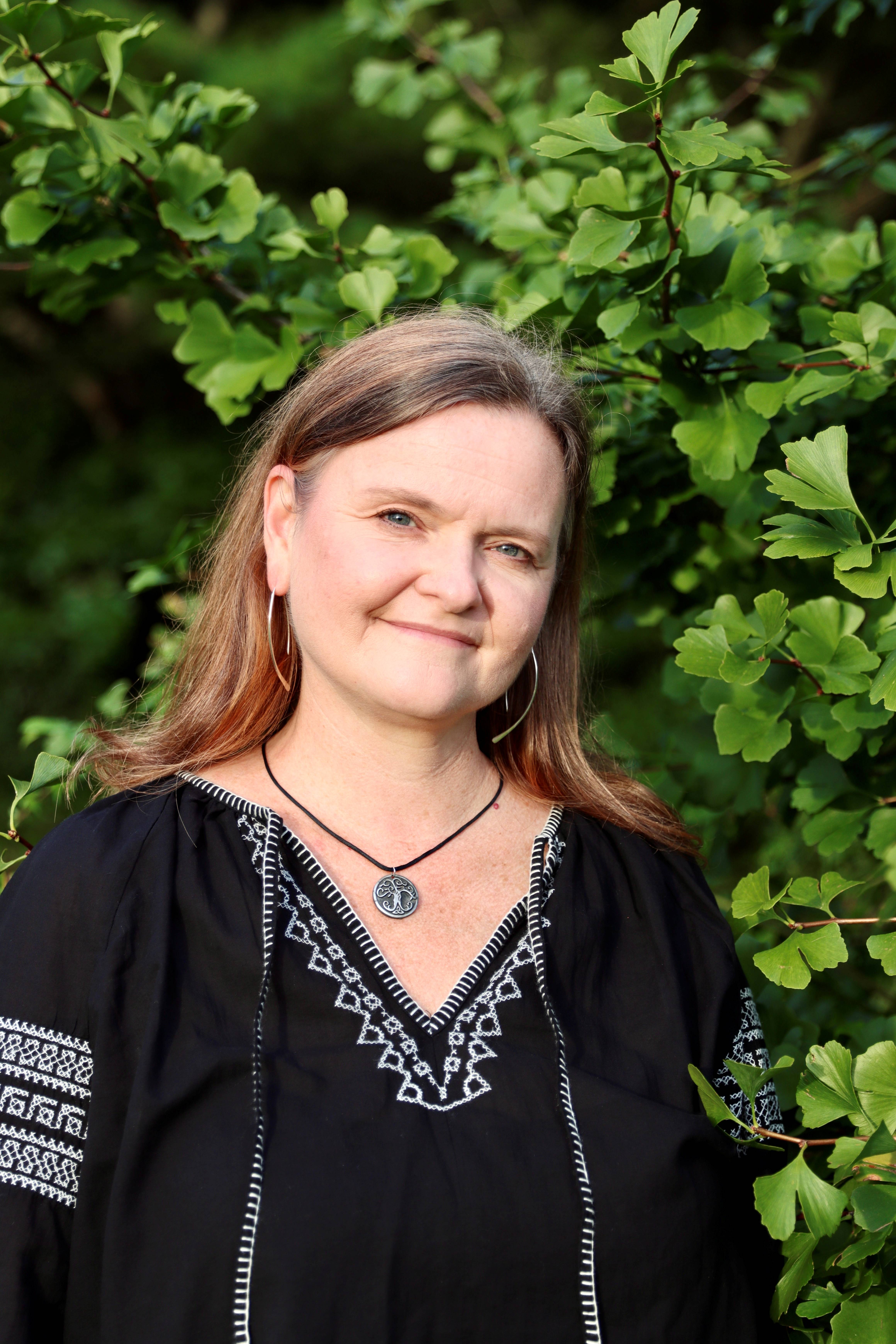

Michelle-Cusolito-headshot
Credit: Alison Noyce

Michelle Cusolito, M.Ed, is a former elementary school teacher and science curriculum developer. She currently teaches Writing at Simmons University in the MFA program. She is also the award-winning author of picture books and long-form nonfiction.Her books have been named Junior Library Guild Selections, earned multiple starred reviews, and been named to many “Best Of” lists.  Michelle is an engaging presenter who loves working with readers and writers of all ages. Learn more at www.michellecusolito.com  Instagram and Bluesky.

Click for more LITLINKS STEM + Literacy activities

Tags: STEM+LiteracySTEM+Literacy Natural ScienceSTEM+Literacy Physical Science
No Comments
Share
0

You also might be interested in

rocks-pebbles

LitLinks: More ways students can play with metaphor in their writing

Sep 13, 2023

GUEST BLOGGER LESLIE BARNARD BOOTH In A Stone Is a[...]

30124079854_3e972e5aab_b

LitLinks: Why Wonder Woman is great for teaching the senses

Oct 3, 2021

GUEST BLOGGER KIRSTEN W. LARSON A special Sunday edition of[...]

LitLinks: How need drives invention

LitLinks: How need drives invention

Jan 13, 2021

GUEST BLOGGER VIVIAN KIRKFIELD Curiosity sparks invention All aboard, educators![...]

Leave a Reply

Your email is safe with me.
Cancel Reply

Click the logo to have LitLinks delivered to your inbox

LitLinks Logo-2022

Author Visits

https://youtu.be/zj6n-RFOcPA?si=8WCTnyXbTiwYumYo
https://youtu.be/ziN0UrqaDYI

Earth Day Every Day Newsletter Archive

Earth-Day-Every-Day-newsletter-banner

Post Categories:

Blog Archive

Top Posts

LitLinks: How to share our ocean connections with kids and teens

LitLinks: Let’s learn to decode photos in STEM nonfiction

LitLinks: How Elephants Can Make Your Sound Unit ROAR!

LitLinks: Easy ways to build students’ science communication skills

Proof that science connects kids to the larger world

Recent Comments

  • Cynthia Argentine on LitLinks: 5 simple steps for comparing birdsong with instrumental music Wonderful integration of music and science and nature! I'm a…
  • Cynthia Argentine on LitLinks: How to observe like a scientist and write like a poet Great observations of the links between science and poetry!
  • Margaret Quinlin on LitLinks: Exploring time and sequence in nature and narrative What a creative exercise for students!
Empowering young readers to act

Latest Blog Posts

  • LitLinks: 5 easy steps to help students dig deep when they research
    LitLinks: 5 easy steps to help students dig deep when they research
  • LitLinks: 3 easy ways animal action verbs encourage reading and writing
    LitLinks: 3 easy ways animal action verbs encourage reading and writing
  • LitLinks: Students share ocean knowledge in a class museum
    LitLinks: Students share ocean knowledge in a class museum

Connect with me on social media

Action Shots

Check out the STEM Tuesday Blog

© 2026 — Patricia Newman

  • Home
  • Books
    • Beatrice and the Nightingale
    • Sharks Unhooked: The Adventures of Cristina Zenato, Underwater Ranger
    • Giant Rays of Hope: Protecting Manta Rays to Safeguard the Sea
    • A River’s Gifts: The Mighty Elwha River Reborn
    • Planet Ocean
    • Eavesdropping on Elephants
    • Neema’s Reason To Smile
    • Zoo Scientists to the Rescue
    • Sea Otter Heroes: The Predators That Saved an Ecosystem
    • Plastic, Ahoy! Investigating the Great Pacific Garbage Patch
    • Ebola: Fears and Facts
    • Jingle the Brass
    • Nugget on the Flight Deck
    • Surviving Animal Attacks
    • Elite Operations series
    • Energy Lab series
    • QuickReads Fluency Library
    • Books for English language-learners
    • Writers write all kinds of things
  • Author Visit Programs
    • FAQs
    • Calendar
  • Blog
  • Educator Resources
    • Teach the Hope
    • Earth Day Every Day newsletter archive
    • Teacher Guides
    • STEM + Literacy Activities
    • LitLinks
    • KidLit creators who make kids want to read
  • Writer Resources
    • Writing Classes
    • Manuscript or Proposal Critiques
    • How I got my start
  • Who is Patricia Newman?
  • Contact
    • Stay In Touch
    • Earth Day Every Day newsletter archive
Prev