

GUEST BLOGGER MICHELLE CUSOLITO
Students are often assigned research papers or projects, yet they might limit their research to quickly “Googling” their topic and adding “facts” they gather in that initial search to their papers. How can you motivate them to dig deeper and go beyond the first details they discover in an on-line search? How might they create more engaging reports? This lesson invites students to learn deep research strategies by studying the work of professional writers.
Materials
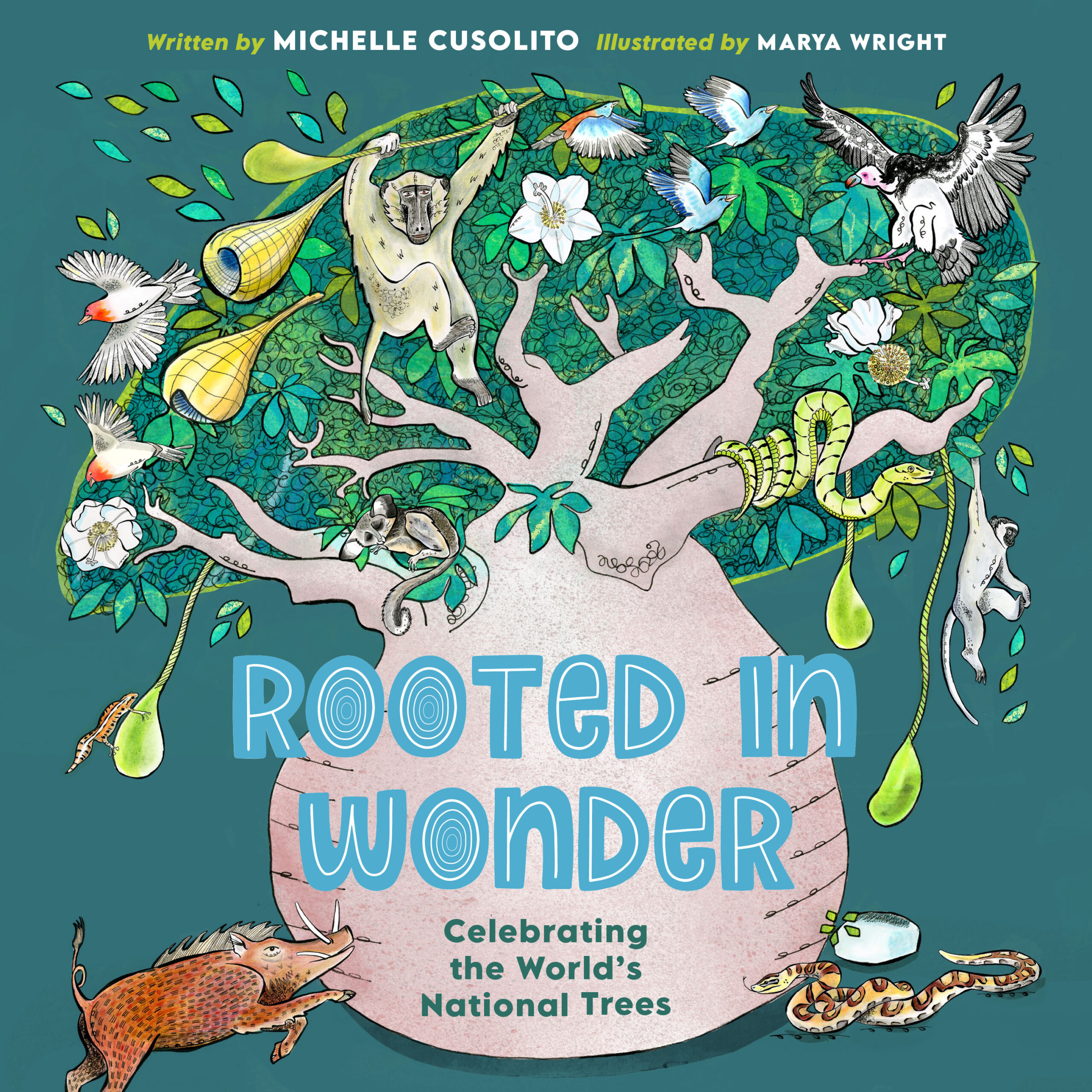
- Rooted in Wonder: Celebrating the World’s National Trees written by Michelle Cusolito and illustrated Marya Wright
- Chart paper and markers or computer and projector
- paper, pencils, and handout (get it here)
- An assortment of other well-researched and documented, nonfiction picture books, such as:
- My Antarctica by Greg Neri and
- Planting Stories: The Life of Librarian and Storyteller Pura Belpré by Anika Aldamuy Denise and Paola Escobar
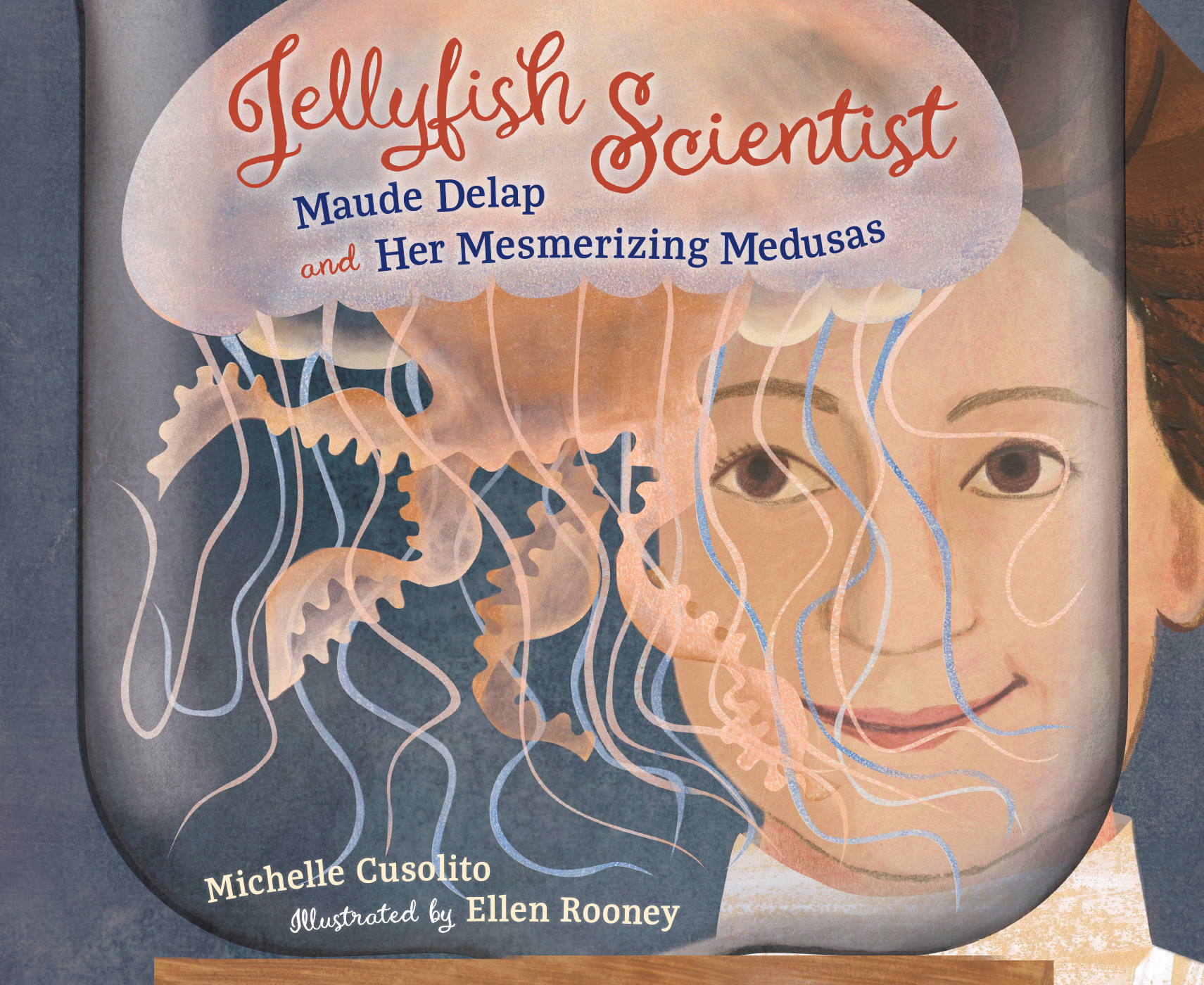
- Jellyfish Scientist: Maude Delap and Her Mesmerizing Medusas by Michelle Cusolito and Ellen Rooney
- Some of Us: A Story of Citizenship and the United States by Rajani LaRocca and Huy Voun Lee
- Houdini’s Library by Barb Rosenstock and Mar Delmar
Picture books are perfect for this lesson, even for middle school and high school students because they’re short enough to read in a single session and the back matter usually explains how the author researched.
Procedure:*
- Read aloud Rooted in Wonder: Celebrating the World’s National Trees.
- Be sure to read aloud the whole book including the dedication, and all of the back matter.
- Focus students’ attention on the last two pages of the back matter: Author’s Note, Illustrator’s Note, and Learn More (Books, Websites, Sources, Acknowledgements).
- On a chart paper (or the handout projected on a screen) document answers to these questions:
- Read the Author’s and Illustrator’s notes? Why did they choose this topic? What connected them to the topic? (Takeaway: Both have a strong connection to trees which motivated them to write this book).
- How did the author and illustrator conduct their research?
- What kind of sources did they use? List them. (e.g. books, videos, articles, podcasts, websites).
- Who created those sources? (For example, scientists, a museum or other respected institution, journalists, etc).
- Did any sources surprise you?
- What did you learn from the author and/or illustrator about research that you will apply to your work?
- Once you’ve modelled the process of reading the book and answering the questions, send students off in pairs to read a new book and complete their own worksheet.
- Reconvene as a whole class and add new ideas to the original notes.
*Skip this whole group step with older students. Send them off to work in pairs to complete the first 3 bullet point using the worksheet. Then come together to share what they learned).
Takeaways
- Choose your subject/topic carefully. You will do your best work if you’re excited and curious about the topic.
- Research deeply. Focus on the quality of your sources. Wikipedia is not a valid source, BUT, you can go to the bottom of an entry and find the sources used to write that entry. Go to the original sources.
- Conduct your own field research. You can’t go to Antarctica like Greg Neri, but you could research something in your own back yard such as the arrival of hummingbirds each spring or the habits of squirrels or pigeons in your area.
- Consult experts. As part of their grants, scientists are expected to connect with the community. Email them! (Before you to that, learn as much as you can. Don’t ask an expert a question you could have answered on your own).
- Especially for older students: Use Primary Sources whenever possible (e.g. letters, journals, photographs, newspaper articles written at the time of the event, maps, census records, scientific papers, etc). Many archives are now on-line. Use them!
TIP: In my state—Massachusetts—anyone who lives, works, or goes to school in MA is entitled to a Boston Public Library eCard, which gives them access to loads of resources, including published research papers and archives. See if your state has something similar.
Find additional resources and activity guides for Michelle’s books here. (Click on each book to find materials for that book).
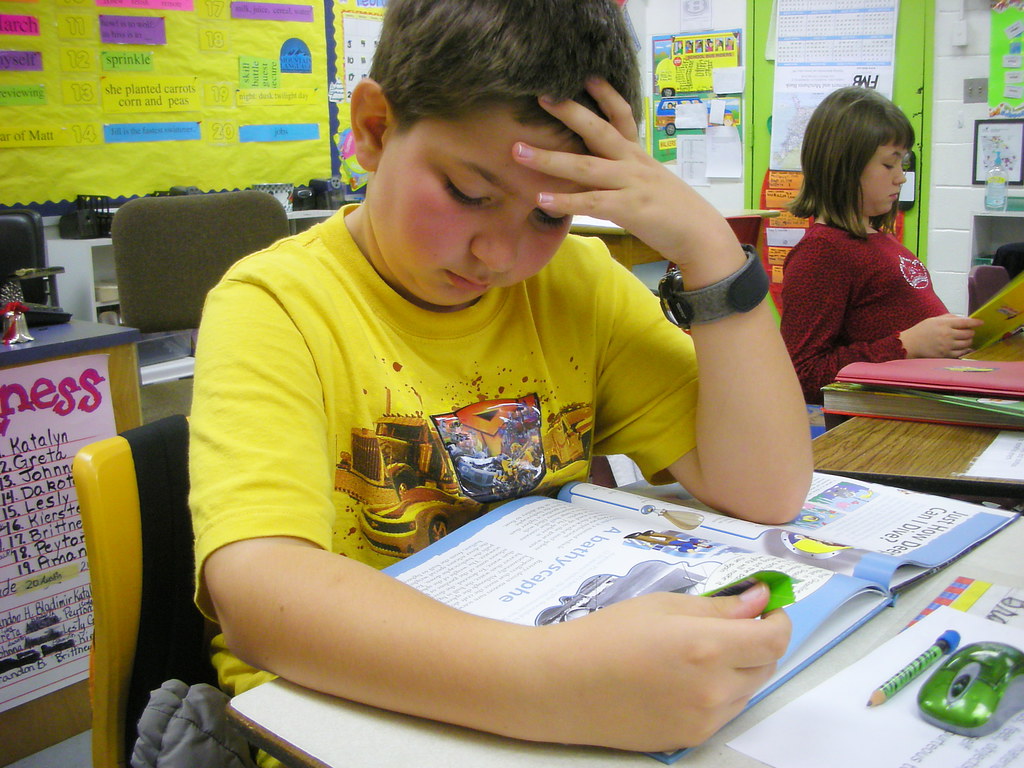
Featured image credit: “Student Reading” by Old Shoe Woman is licensed under CC BY-NC-SA 2.0.
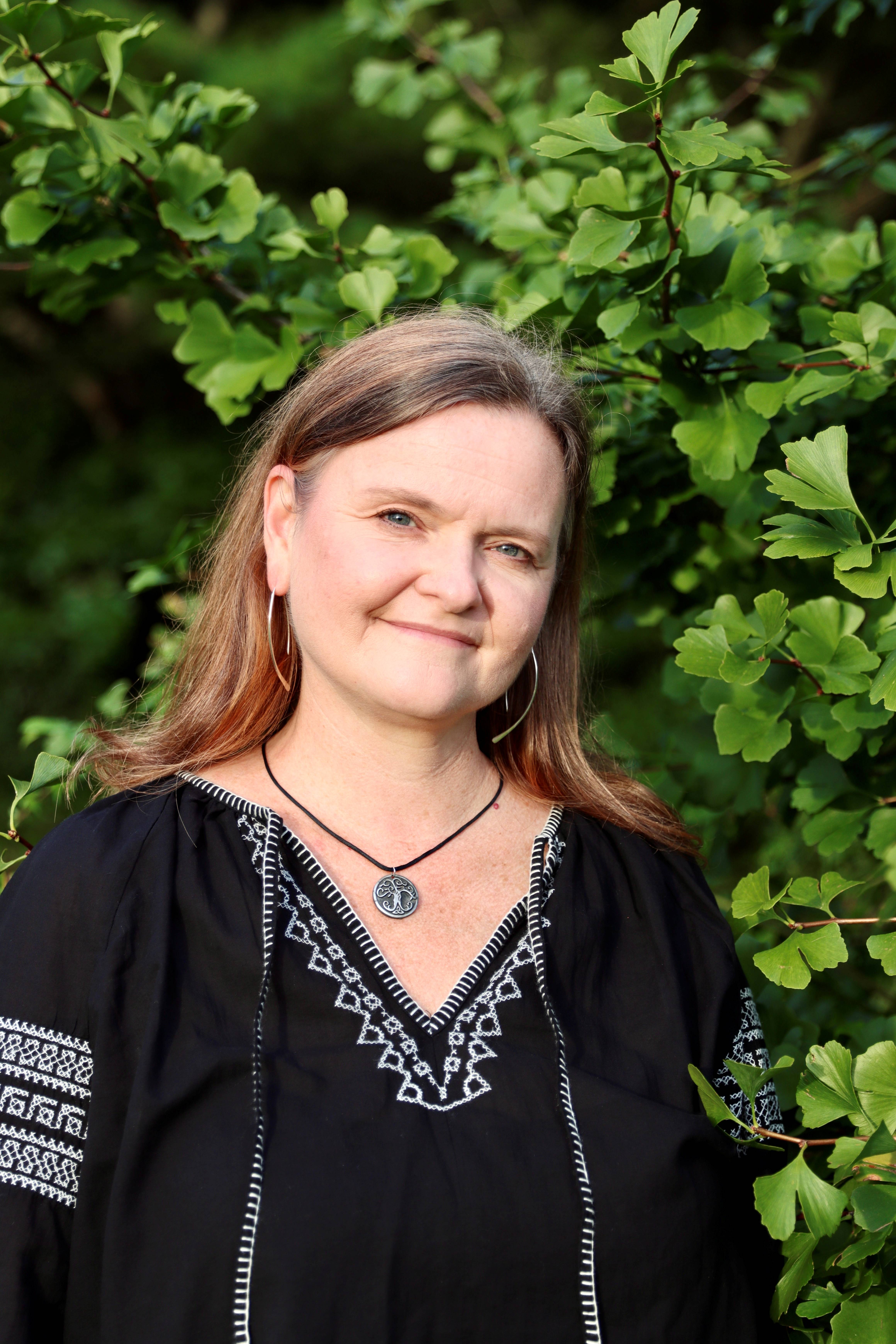
Michelle Cusolito, M.Ed, is a former elementary school teacher and science curriculum developer. She currently teaches Writing at Simmons University in the MFA program. She is also the award-winning author of picture books and long-form nonfiction.Her books have been named Junior Library Guild Selections, earned multiple starred reviews, and been named to many “Best Of” lists. Michelle is an engaging presenter who loves working with readers and writers of all ages. Learn more at www.michellecusolito.com Instagram and Bluesky.



Leave a Reply
Your email is safe with me.