
• Home
  • Books
    • Beatrice and the Nightingale
    • Sharks Unhooked: The Adventures of Cristina Zenato, Underwater Ranger
    • Giant Rays of Hope: Protecting Manta Rays to Safeguard the Sea
    • A River’s Gifts: The Mighty Elwha River Reborn
    • Planet Ocean
    • Eavesdropping on Elephants
    • Neema’s Reason To Smile
    • Zoo Scientists to the Rescue
    • Sea Otter Heroes: The Predators That Saved an Ecosystem
    • Plastic, Ahoy! Investigating the Great Pacific Garbage Patch
    • Ebola: Fears and Facts
    • Jingle the Brass
    • Nugget on the Flight Deck
    • Surviving Animal Attacks
    • Elite Operations series
    • Energy Lab series
    • QuickReads Fluency Library
    • Books for English language-learners
    • Writers write all kinds of things
  • Author Visit Programs
    • FAQs
    • Calendar
  • Blog
  • Educator Resources
    • Teach the Hope
    • Earth Day Every Day newsletter archive
    • Teacher Guides
    • STEM + Literacy Activities
    • LitLinks
    • KidLit creators who make kids want to read
  • Writer Resources
    • Writing Classes
    • Manuscript or Proposal Critiques
    • How I got my start
  • Who is Patricia Newman?
  • Contact
    • Stay In Touch
    • Earth Day Every Day newsletter archive
Patricia NewmanPatricia Newman
Sibert Honor Children's Book Author & Environmentalist
  • Home
  • Books
    • Beatrice and the Nightingale
    • Sharks Unhooked: The Adventures of Cristina Zenato, Underwater Ranger
    • Giant Rays of Hope: Protecting Manta Rays to Safeguard the Sea
    • A River’s Gifts: The Mighty Elwha River Reborn
    • Planet Ocean
    • Eavesdropping on Elephants
    • Neema’s Reason To Smile
    • Zoo Scientists to the Rescue
    • Sea Otter Heroes: The Predators That Saved an Ecosystem
    • Plastic, Ahoy! Investigating the Great Pacific Garbage Patch
    • Ebola: Fears and Facts
    • Jingle the Brass
    • Nugget on the Flight Deck
    • Surviving Animal Attacks
    • Elite Operations series
    • Energy Lab series
    • QuickReads Fluency Library
    • Books for English language-learners
    • Writers write all kinds of things
  • Author Visit Programs
    • FAQs
    • Calendar
  • Blog
  • Educator Resources
    • Teach the Hope
    • Earth Day Every Day newsletter archive
    • Teacher Guides
    • STEM + Literacy Activities
    • LitLinks
    • KidLit creators who make kids want to read
  • Writer Resources
    • Writing Classes
    • Manuscript or Proposal Critiques
    • How I got my start
  • Who is Patricia Newman?
  • Contact
    • Stay In Touch
    • Earth Day Every Day newsletter archive
"Sleeping child"-by-Mujib-is-licensed-under-CC-BY-2.0.

LitLinks: How to decode the mysteries of sleep with sea animals

August 13, 2025 LitLinks, LitLinks-Grade 3-5, LitLinks-Grade K-2 No Comments
LitLinks Logo-2022

GUEST BLOGGER BONNIE KELSO


Children often wonder why we sleep. When you don’t understand the science behind it, sleep can seem like a giant enigma. Help students decode the mysteries of sleep by exploring the similarities and differences in how and why humans and sea animals sleep.
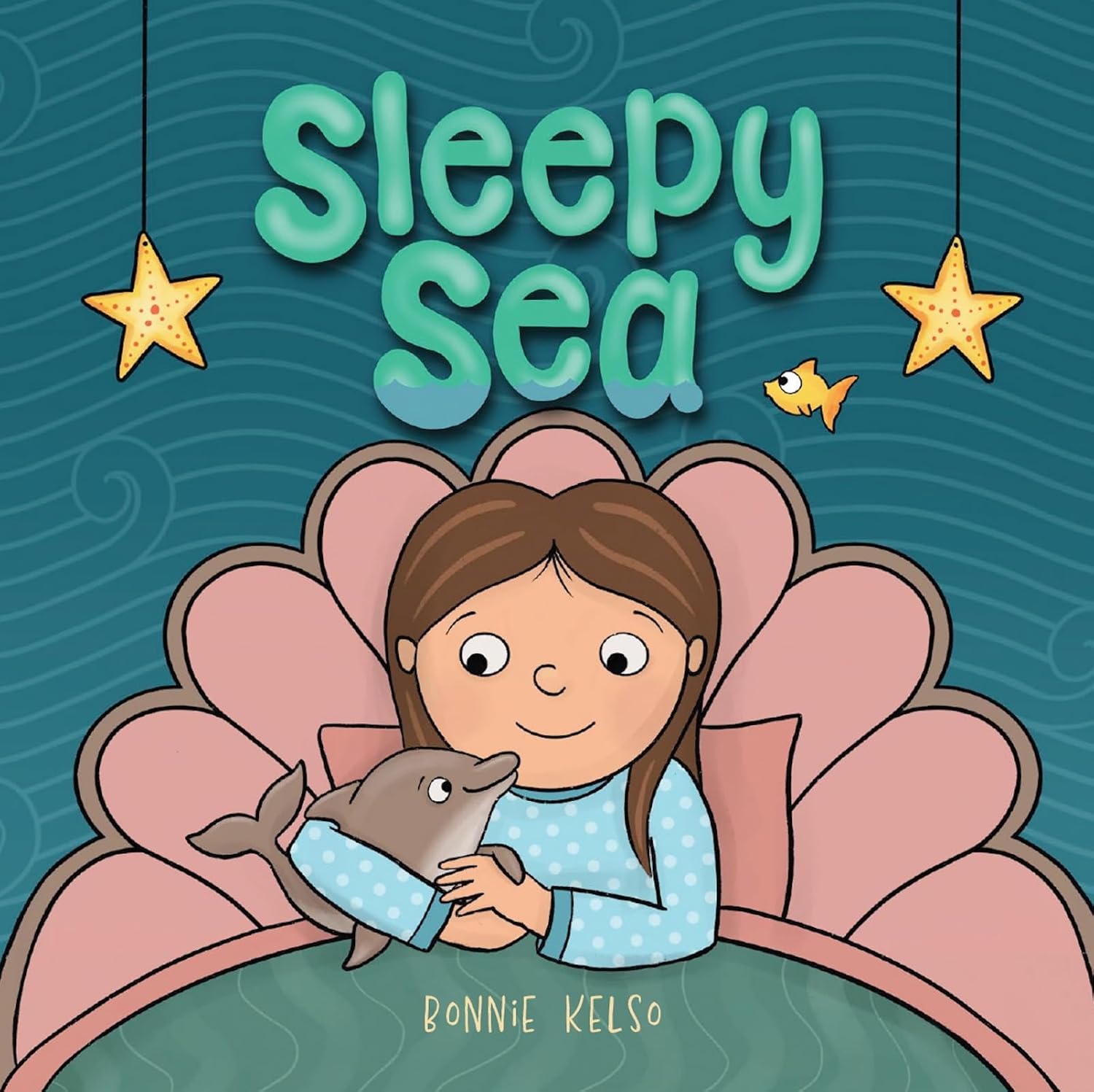
Sleepy-Sea-cover

Read

Read Sleepy Sea (written and illustrated by Bonnie Kelso) to your students. The book is a playful exploration of sleep, touching on human sleep cycles, brain hygiene, and a short list of sea animals with interesting sleep behaviors. The author’s graphic novel-like approach to storytelling will help engage even the most reluctant readers.

Ask students the following discussion questions to further spark curiosity:

  • How do you prepare to go to sleep?
  • What happens when you are asleep?
  • Why do you need to sleep every day?

Explore the human sleep cycle
sleep-cycle-diagram
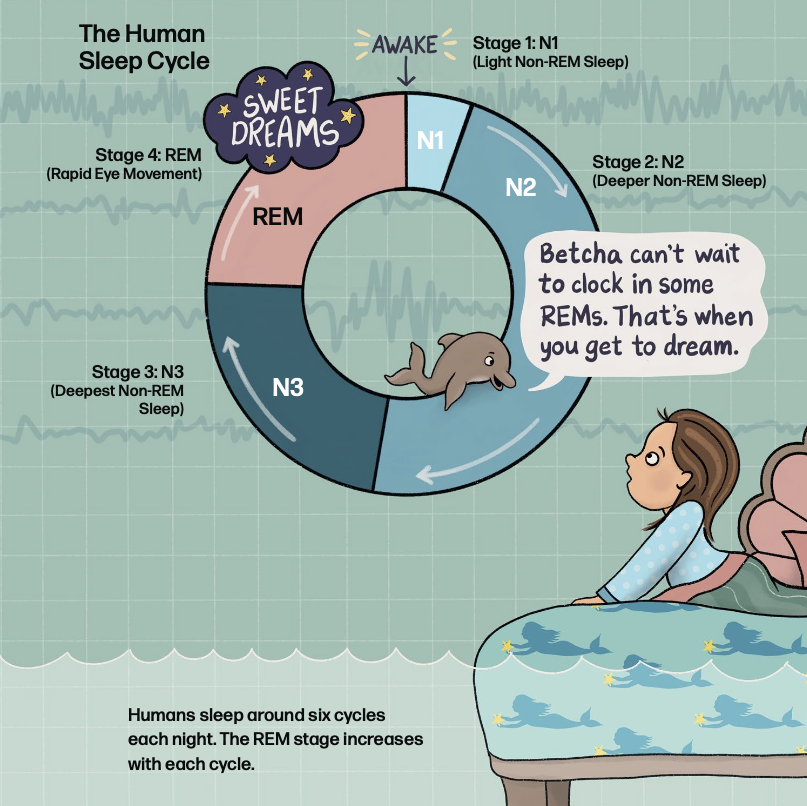
From Sleepy Seas by Bonnie Kelso (Gnome Road Publishing, 2025)

Use the chart from the picture book as a visual aid. Explain each of the four stages in simple terms:

N1 – light sleep / feeling drowsy

N2 – deeper sleep / harder to wake up

N3 – deepest sleep / body repairs itself, immune system strengthens, waking is difficult

REM – dreaming sleep / eyes are closed and move, but the rest of the body does not move

Ask students the following questions for further discussion:

  • Which part of sleep sounds the most important to you?
  • Why are there different stages to the sleep cycle?
  • Do you remember your dreams?

Help students compare and contrast sleep behaviors humans and dolphins by working together to draw a simple Venn diagram:

HUMANBOTHDOLPHIN
Both eyes closedNeed to restOne eye open
Stop movingSleep dailySwims while sleeping
Full brain sleepsBrain rests and repairsHalf of brain sleeps

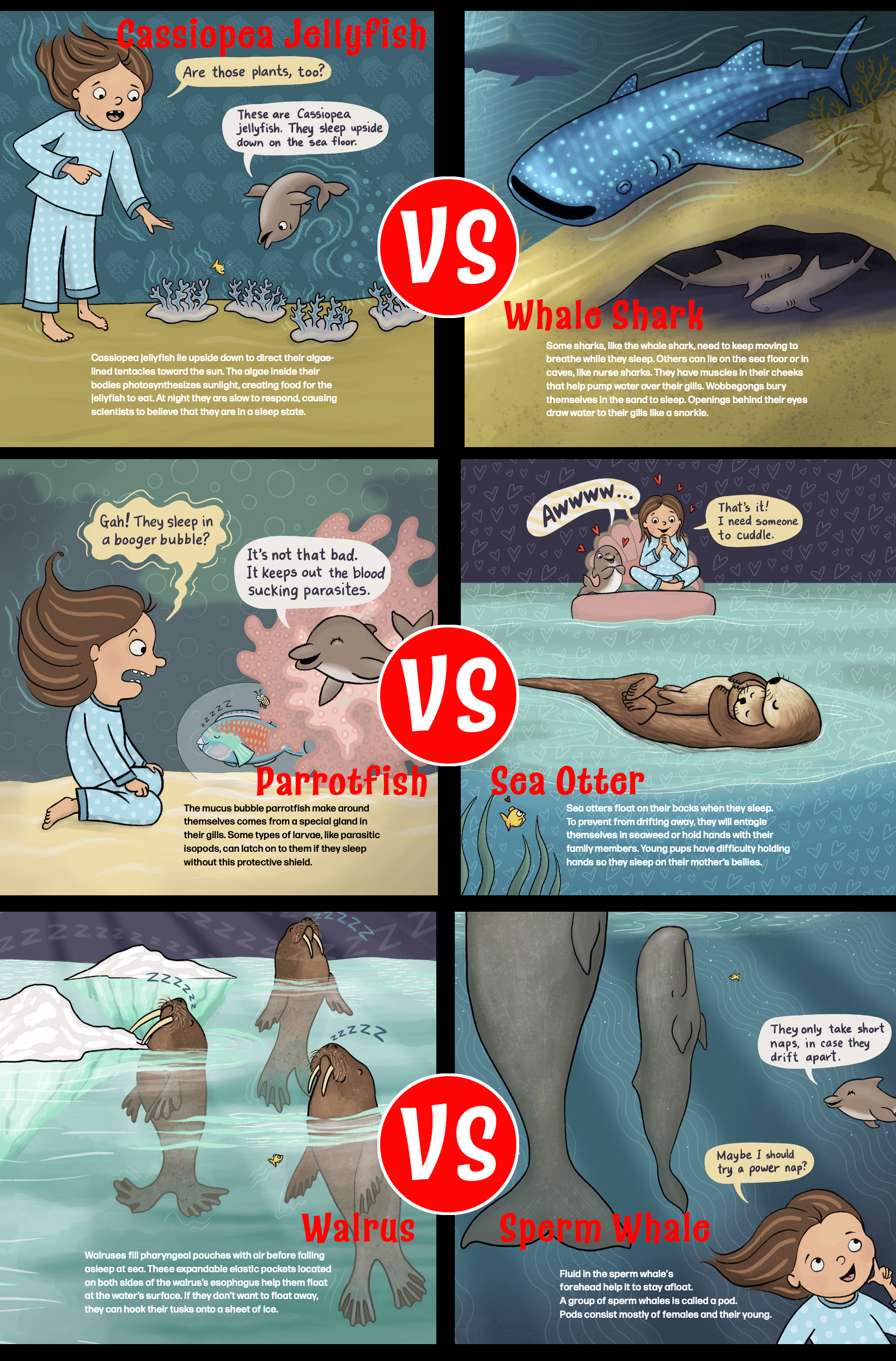
Next, using scenes from the book, create additional Venn diagrams together comparing and contrasting any two sea animals (examples):

PARROTFISHBOTHSEA OTTER
Creates a booger bubbleBehavior protects themHold hands during sleep
CASSIOPEA JELLYFISHBOTHWHALE SHARK
Lies upside downBody slows down insideDoesn’t stop swimming
WALRUSBOTHSPERM WHALE
Air pockets help them floatFloat upright in waterFluid in forehead helps them float
Animal-sleep-comparisons
From Sleepy Seas by Bonnie Kelso (Gnome Road Publishing, 2025)

Writing and drawing activity

Discovery-card-pack

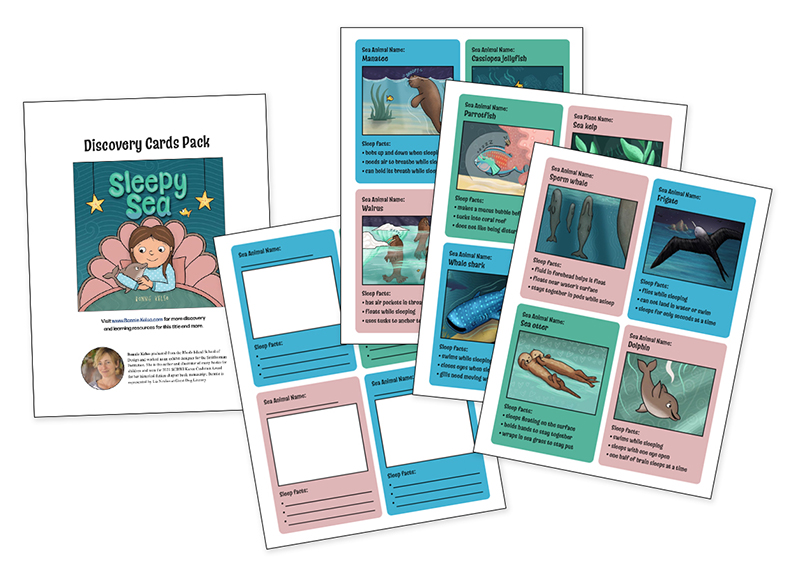
Show students the prepared sea animal cards which can be downloaded and printed out here. Invite students to draw their favorite animal from the book sleeping in its special way. Ask them to write how their favorite animal sleeps and why sleeping that way helps them to survive. How is that animal’s sleep behavior similar and different from their own. They can also add labels to their drawing to help explain.

Allow time for sharing

Either have students form into small groups for sharing or volunteer to present their work to the class.

Further exploration

Ask students to create additional sea animal cards (not cited in the book) to add to the classroom’s collection. They can draw a picture of the animal or collage a photo into the picture box. Below the image they can list three sleep facts about the sea animal that they discovered in their research.

Lastly, remind students that the ocean and its inhabitants are part of Earth’s natural resources should always be respected and protected. And please warn them that if they ever find themselves diving in the ocean at night, never, ever, wake up a parrotfish sleeping in its booger bubble. It make them very grumpy.

Featured image credit: “Sleeping child” by Mujib is licensed under CC BY 2.0.
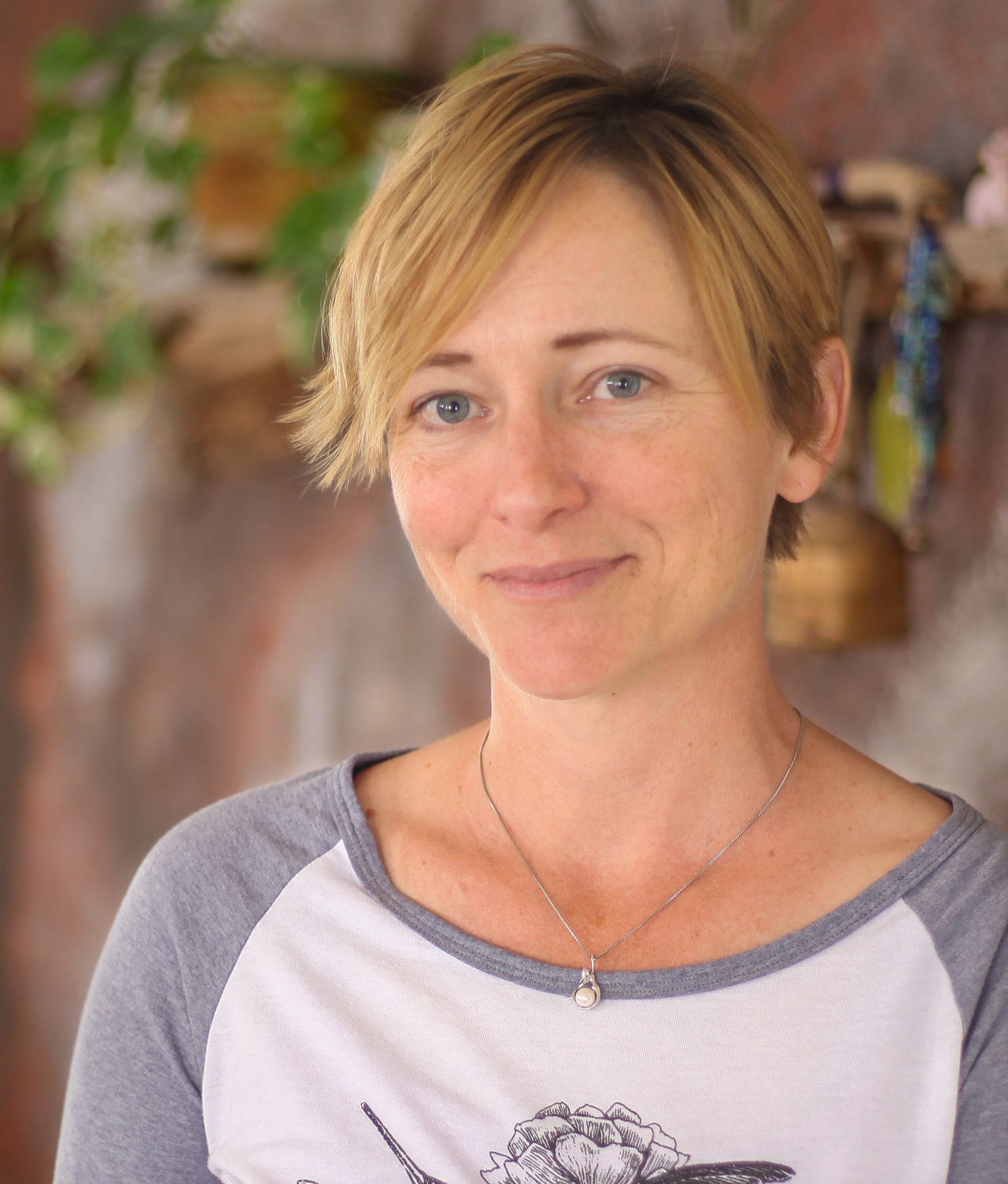

Bonnie-Kelso-headshot

Bonnie Kelso graduated from the Rhode Island School of Design and worked as an exhibit designer for the Smithsonian Institution. She is the author and illustrator of five books for children including Sea Smiles and Nudi Gill: Poison Powerhouse of the Sea. She won the 2021 SCBWI Karen Cushman Award for her historical fiction chapter book manuscript. Bonnie is represented by Liz Nealon at Great Dog Literary. Visit her online at her website, Instagram – @bonnie.kelso, Bluesky – @bonniekelso.bsky.social and Pinterest – @bonniekelsobooks.
Click for more LITLINKS STEM + Literacy activities

Tags: STEM+LiteracySTEM+Literacy Natural Science
No Comments
Share
0

You also might be interested in

LitLinks Logo-1 (2)

LitLinks: Exploring Informational Writing with SEASHELLS: MORE THAN A HOME

Apr 17, 2019

TODAY’S GUEST BLOGGER: MELISSA STEWART The dual-layer format of Seashells:[...]

Butterflies in Room 6

LitLinks: Hands-On Butterfly Activities Reinforce Reading

Aug 28, 2019

GUEST BLOGGER: CAROLINE ARNOLD Whether you are five or seventy-five,[...]

Light pollution 1

LitLinks: Sea turtles + astronomy + light pollution = a writing jackpot

Jan 20, 2021

GUEST BLOGGER MARSHA DIANE ARNOLD I’m Marsha Diane Arnold, author[...]

Leave a Reply

Your email is safe with me.
Cancel Reply

Click the logo to have LitLinks delivered to your inbox

LitLinks Logo-2022

Author Visits

https://youtu.be/oEZiUVKmt2k
https://youtu.be/ziN0UrqaDYI

Earth Day Every Day Newsletter Archive

Earth-Day-Every-Day-newsletter-banner

Post Categories:

Blog Archive

Top Posts

LitLinks: How to share our ocean connections with kids and teens

LitLinks: Let’s learn to decode photos in STEM nonfiction

LitLinks: How Elephants Can Make Your Sound Unit ROAR!

LitLinks: Easy ways to build students’ science communication skills

Proof that science connects kids to the larger world

Recent Comments

  • Patricia Newman on LitLinks: 3 easy sustainable food activities for the classroom Thank YOU, Kari!
  • Kari Ann Gonzalez on LitLinks: 3 easy sustainable food activities for the classroom Thank you so much for having me on your blog,…
  • Cynthia Argentine on LitLinks: 5 simple steps for comparing birdsong with instrumental music Wonderful integration of music and science and nature! I'm a…
Empowering young readers to act

Latest Blog Posts

  • LitLinks: 3 easy sustainable food activities for the classroom
    LitLinks: 3 easy sustainable food activities for the classroom
  • LitLinks: Help students write well. The magic is in the details.
    LitLinks: Help students write well. The magic is in the details.
  • LitLinks: Cause and effect loops – a new look at an old concept
    LitLinks: Cause and effect loops – a new look at an old concept

Connect with me on social media

Action Shots

Check out the STEM Tuesday Blog

© 2026 — Patricia Newman

  • Home
  • Books
    • Beatrice and the Nightingale
    • Sharks Unhooked: The Adventures of Cristina Zenato, Underwater Ranger
    • Giant Rays of Hope: Protecting Manta Rays to Safeguard the Sea
    • A River’s Gifts: The Mighty Elwha River Reborn
    • Planet Ocean
    • Eavesdropping on Elephants
    • Neema’s Reason To Smile
    • Zoo Scientists to the Rescue
    • Sea Otter Heroes: The Predators That Saved an Ecosystem
    • Plastic, Ahoy! Investigating the Great Pacific Garbage Patch
    • Ebola: Fears and Facts
    • Jingle the Brass
    • Nugget on the Flight Deck
    • Surviving Animal Attacks
    • Elite Operations series
    • Energy Lab series
    • QuickReads Fluency Library
    • Books for English language-learners
    • Writers write all kinds of things
  • Author Visit Programs
    • FAQs
    • Calendar
  • Blog
  • Educator Resources
    • Teach the Hope
    • Earth Day Every Day newsletter archive
    • Teacher Guides
    • STEM + Literacy Activities
    • LitLinks
    • KidLit creators who make kids want to read
  • Writer Resources
    • Writing Classes
    • Manuscript or Proposal Critiques
    • How I got my start
  • Who is Patricia Newman?
  • Contact
    • Stay In Touch
    • Earth Day Every Day newsletter archive
Prev Next