

• Home
  • Books
    • Beatrice and the Nightingale
    • Sharks Unhooked: The Adventures of Cristina Zenato, Underwater Ranger
    • Giant Rays of Hope: Protecting Manta Rays to Safeguard the Sea
    • A River’s Gifts: The Mighty Elwha River Reborn
    • Planet Ocean
    • Eavesdropping on Elephants
    • Neema’s Reason To Smile
    • Zoo Scientists to the Rescue
    • Sea Otter Heroes: The Predators That Saved an Ecosystem
    • Plastic, Ahoy! Investigating the Great Pacific Garbage Patch
    • Ebola: Fears and Facts
    • Jingle the Brass
    • Nugget on the Flight Deck
    • Surviving Animal Attacks
    • Elite Operations series
    • Energy Lab series
    • QuickReads Fluency Library
    • Books for English language-learners
    • Writers write all kinds of things
  • Author Visit Programs
    • FAQs
    • Calendar
  • Blog
  • Educator Resources
    • Teach the Hope
    • Earth Day Every Day newsletter archive
    • Teacher Guides
    • STEM + Literacy Activities
    • LitLinks
    • KidLit creators who make kids want to read
  • Writer Resources
    • Writing Classes
    • Manuscript or Proposal Critiques
    • How I got my start
  • Who is Patricia Newman?
  • Contact
    • Stay In Touch
    • Earth Day Every Day newsletter archive
Patricia NewmanPatricia Newman
Sibert Honor Children's Book Author & Environmentalist
  • Home
  • Books
    • Beatrice and the Nightingale
    • Sharks Unhooked: The Adventures of Cristina Zenato, Underwater Ranger
    • Giant Rays of Hope: Protecting Manta Rays to Safeguard the Sea
    • A River’s Gifts: The Mighty Elwha River Reborn
    • Planet Ocean
    • Eavesdropping on Elephants
    • Neema’s Reason To Smile
    • Zoo Scientists to the Rescue
    • Sea Otter Heroes: The Predators That Saved an Ecosystem
    • Plastic, Ahoy! Investigating the Great Pacific Garbage Patch
    • Ebola: Fears and Facts
    • Jingle the Brass
    • Nugget on the Flight Deck
    • Surviving Animal Attacks
    • Elite Operations series
    • Energy Lab series
    • QuickReads Fluency Library
    • Books for English language-learners
    • Writers write all kinds of things
  • Author Visit Programs
    • FAQs
    • Calendar
  • Blog
  • Educator Resources
    • Teach the Hope
    • Earth Day Every Day newsletter archive
    • Teacher Guides
    • STEM + Literacy Activities
    • LitLinks
    • KidLit creators who make kids want to read
  • Writer Resources
    • Writing Classes
    • Manuscript or Proposal Critiques
    • How I got my start
  • Who is Patricia Newman?
  • Contact
    • Stay In Touch
    • Earth Day Every Day newsletter archive
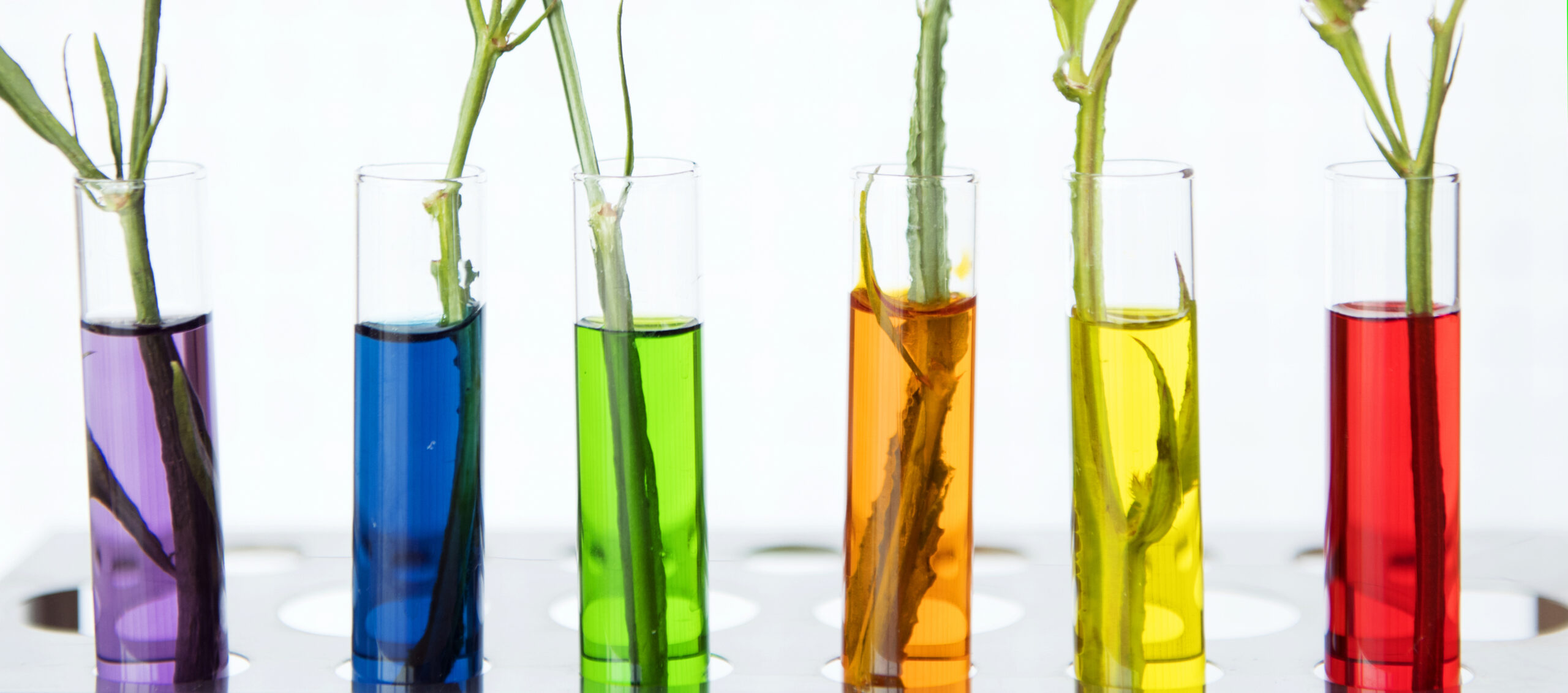
plants-in-tubes-with-different-colored-food-coloring
Flowers in a row of testubes with different colored water decoration and science experiment concept

LitLinks: Full STEAM Ahead with Music and Plants

November 18, 2026 LitLinks, LitLinks-Grade 3-5, LitLinks-Grade K-2 No comments
LitLinks Logo-2022

GUEST BLOGGER TONNYE FLETCHER


MUSIC PLANTS HOPE is a nonfiction picture book where plants become an audience for a musical concert. The image of a music hall full of 2,292 plants really got my curiosity going. I hope it does the same for you.  Below find some fun ways to integrate reading, music and science seamlessly.
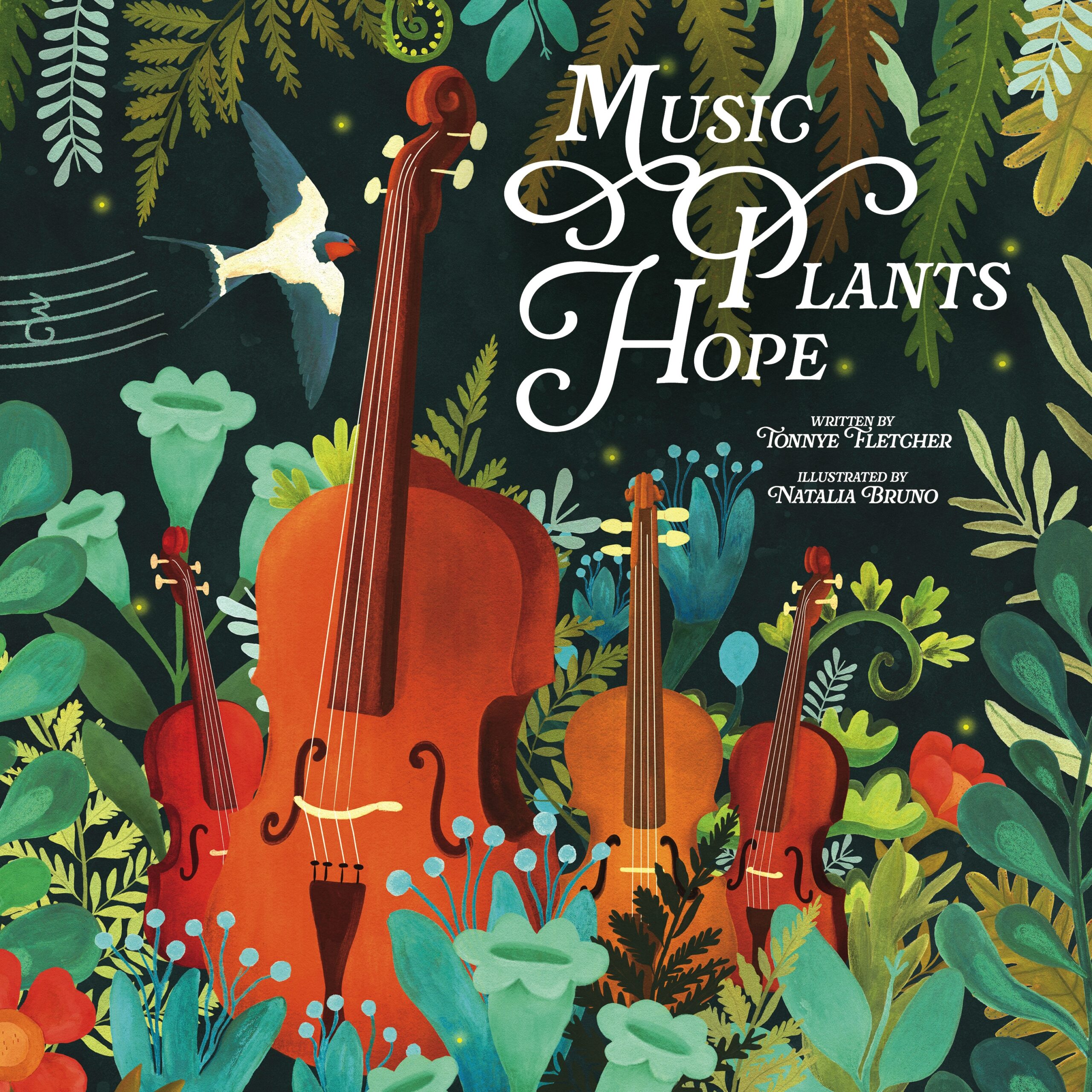
Music-Plants-Hope-cover

Activity #1:  Wiggly water in plants

We all know we need to water our plants.  But why? And where does the water go? MUSIC PLANTS HOPE mentions how the water in the plants wiggle, but where is the water and how does it move through the plants?  And does the water wiggle with vibrations? Let’s find out.

Materials
  • Several vases or glasses
  • Water
  • Food coloring
  • Celery, chrysanthemums (or try other plants and flowers)
Process
  • Put different food coloring in each container with water.
  • Put a cut piece of celery and/or a flower stem (with flower attached) in each vase/glass.
  • Let them set overnight.
  • After 12-24 hours, have students observe the plants to see where the colored water shows up in the plant .
  • Integrate parts of plants – Is it in the stem? the leaves? the flower?
  • Ask students to draw pictures to show where the water traveled in the plant.
An extra step

If you’re curious to see if the water wiggles with vibrations, put the vases on a speaker or play some music very close to them and observe to see if you can detect any vibration of the water or the plant.

Activity #2:  String vibrations

MUSIC PLANTS HOPE talks about 3 different instruments that all have strings. (violin, viola, cello) They are different sizes which means the length of the strings are different and the thickness of the strings are different.  How do those characteristics affect the sounds produced?

Materials
  • Rubber bands of different lengths/thicknesses
  • A shorter and a longer box or pan or anything sturdy that will accommodate the stretch of the various rubber bands. (2 rectangular pans would work great if they will allow the rubber bands to stretch vertically and horizontally)
  • *You could also use various lengths/thicknesses of string/rope, but you’ll need to be able to get them tight enough that you can pluck them to hear the sound. (Rubber bands are easier to stretch taut and easier to hear.)
Process
  • Using one pan (or other receptacle), stretch rubber bands of varying lengths and thicknesses vertically (longways)
  • Using the other pan or receptacle stretch matching rubber bands (as the first pan) horizontally.
  • Have students explore the various sounds and answer the following questions:
    • Thinner bands of the same length have a (higher/lower) pitch.
    • Thicker bands of the same length have a (higher/lower) pitch.
    • Longer bands have a (higher/lower) pitch than shorter ones.
    • Shorter bands have a (higher/lower)  pitch than longer ones.
    • What other statements could you write about the bands?
    • Write down any other observations you make about the length and thickness of the bands.
  • Lead students in a discussion comparing their exploration of various bands to the instruments: violin, viola, cello.  (Which one do you believe will be higher/lower etc.?  Why?)
  • After the discussion, listen to these clips and discuss students’ predictions compared to the reality.
    • What does a cello sound like? (Ode to Joy)
    • What does a viola sound like? (Ode to Joy)
    • What does a violin sound like? (Ode to Joy)

Featured image credit: Courtesy of the author

Tonnye-Fletcher-headshot

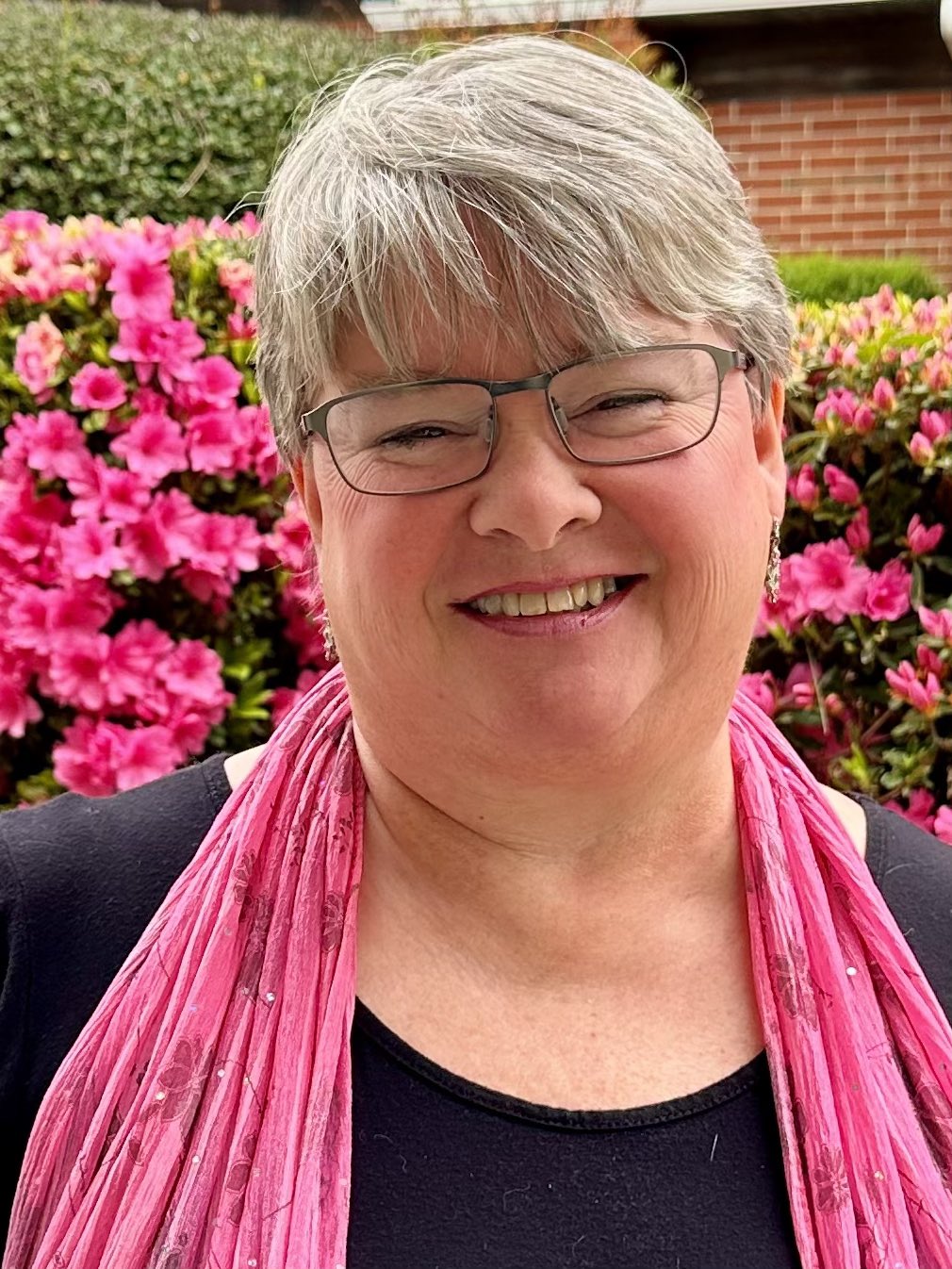
Tonnye Fletcher is a national board-certified elementary educator with experience in general education and k-2 music. Her debut picture book, MUSIC PLANTS HOPE received a starred review from School Library Journal.  When she isn’t writing or teaching, Tonnye is spending time with her family and cats on their small farm, reading, or advocating for literacy with the NC Reading Association. You can find her online on Instagram and Facebook. Her website is: https://www.tonnyefletcher.com/
Click for more LITLINKS STEM + Literacy activities

Tags: STEM+LiteracySTEM+Literacy Natural ScienceSTEM+Literacy Physical Science
No comments
Share
0

You also might be interested in

Interview_Biorobotics1

LitLinks: Easy lessons on biomimicry and robot design that WOW! students

Sep 8, 2021

Objective Students will learn about biomimicry and be able to[...]

Soil 38362544974_0a5a42159e_b

LitLinks: Soil scientist as hero

Jun 11, 2020

Can a scientist be a hero? Can a SOIL scientist[...]

"Questions"-by-Oberazzi-is-licensed-under-CC-BY-NC-SA-2.0.

LitLinks: Great ideas to help students practice the art of asking questions

Jul 9, 2025

Asking and answering questions is at the heart of every[...]

Leave a reply

Your email is safe with me.
Cancel reply

Click the logo to have LitLinks delivered to your inbox

LitLinks Logo-2022

Author Visits

https://youtu.be/oEZiUVKmt2k
https://youtu.be/ziN0UrqaDYI

Earth Day Every Day Newsletter Archive

Earth-Day-Every-Day-newsletter-banner

Post Categories:

Blog Archive

Top Posts

LitLinks: How to share our ocean connections with kids and teens

LitLinks: Let’s learn to decode photos in STEM nonfiction

LitLinks: How Elephants Can Make Your Sound Unit ROAR!

LitLinks: Easy ways to build students’ science communication skills

Proof that science connects kids to the larger world

Recent Comments

  • Cynthia Argentine on LitLinks: 3 easy sustainable food activities for the classroom Great post, activities, and book concept!
  • Patricia Newman on LitLinks: 3 easy sustainable food activities for the classroom Thank YOU, Kari!
  • Kari Ann Gonzalez on LitLinks: 3 easy sustainable food activities for the classroom Thank you so much for having me on your blog,…
Empowering young readers to act

Latest Blog Posts

  • LitLinks: Full STEAM Ahead with Music and Plants
  • LitLinks: How to teach writing revision with plan-do-check-act
  • LitLinks: How to build a toy accessibility ramp

Connect with me on social media

Action Shots

Check out the STEM Tuesday Blog

© 2026 — Patricia Newman

  • Home
  • Books
    • Beatrice and the Nightingale
    • Sharks Unhooked: The Adventures of Cristina Zenato, Underwater Ranger
    • Giant Rays of Hope: Protecting Manta Rays to Safeguard the Sea
    • A River’s Gifts: The Mighty Elwha River Reborn
    • Planet Ocean
    • Eavesdropping on Elephants
    • Neema’s Reason To Smile
    • Zoo Scientists to the Rescue
    • Sea Otter Heroes: The Predators That Saved an Ecosystem
    • Plastic, Ahoy! Investigating the Great Pacific Garbage Patch
    • Ebola: Fears and Facts
    • Jingle the Brass
    • Nugget on the Flight Deck
    • Surviving Animal Attacks
    • Elite Operations series
    • Energy Lab series
    • QuickReads Fluency Library
    • Books for English language-learners
    • Writers write all kinds of things
  • Author Visit Programs
    • FAQs
    • Calendar
  • Blog
  • Educator Resources
    • Teach the Hope
    • Earth Day Every Day newsletter archive
    • Teacher Guides
    • STEM + Literacy Activities
    • LitLinks
    • KidLit creators who make kids want to read
  • Writer Resources
    • Writing Classes
    • Manuscript or Proposal Critiques
    • How I got my start
  • Who is Patricia Newman?
  • Contact
    • Stay In Touch
    • Earth Day Every Day newsletter archive
Prev