

BY PATRICIA NEWMAN
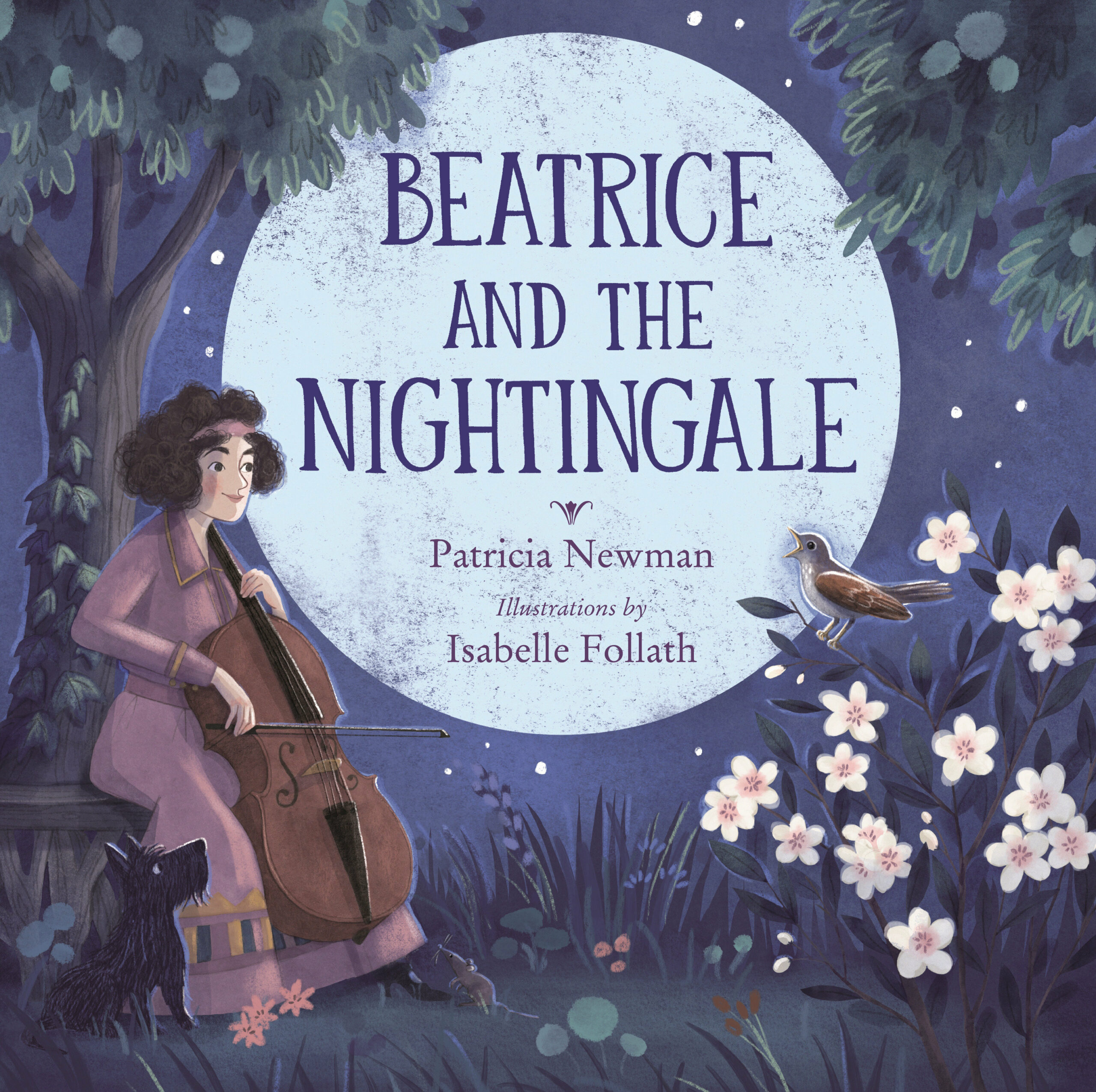
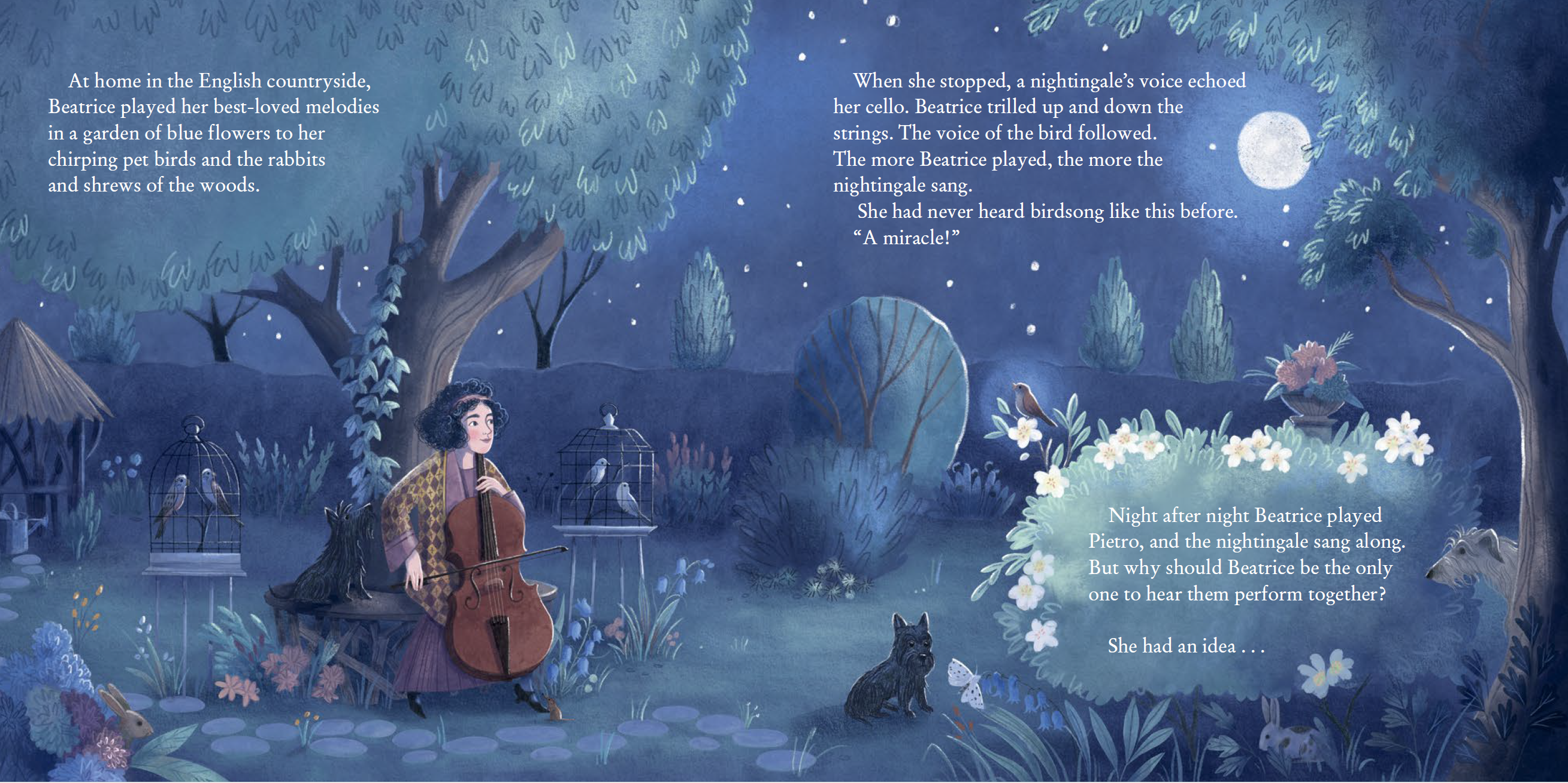
Beatrice and the Nightingale is the story of a famous cellist who shared the music of the cello and a nightingale one spring night in 1924. This was the first time birdsong had ever been broadcast over their airwaves. Use this lesson to introduce Beatrice to your students, identify the central ideas in her life, and connect music and birdsong. A fun way to integrate music, science, history, and ELA!
Think-Pair-Share
Start with an intriguing question or an audio clip of nightingale sounds. Ask students, “What do you think it means to connect with nature through music?” Students can use a Think-Pair-Share organizer, like the one below, to jot down their initial thoughts and then discuss them with a partner.
| What I think… | What my partner thinks… | What we will share… |
Read
Read Beatrice and the Nightingale aloud. Prompt discussion with questions like the following:
- What inspired Beatrice to become a cellist?
- Why do you think the nightingale’s song captured her heart?
- “What made her duet with the nightingale so special?
Ask students to list events from the reading in one column of a cause-and-effect chart and their effects in the next column, helping them see how Beatrice’s decisions shaped her life. (Note: Cause and effect is a cross-cutting concept in the Next Generation Science Standards.)
Timeline mapping
Ask students to organize the major events in Beatrice’s life on a timeline (you can find the organizer on p. 6 of the Beatrice and the Nightingale educator guide – download here). Students can fill in dates and
significant events, illustrating the progression of her career and personal life. Explain key concepts regarding the significance of her music and how it reflects her connection to nature.
Audio exploration
Play audio clips of nightingale sounds and cello music. I’ve provided two suggestions below:
After listening, students record their observations in their notebooks where they can describe the qualities of the sounds, their emotions, and any comparisons they can make between the nightingale and the cello.
Sound as energy
Discuss sound as a form of energy. Use a simple diagram showing how sound waves travel from birds and instruments to humans, allowing for visual representation of sound energy.
Additional thoughts
Cultural relevance
Encourage students to share any personal connections they have to music or nature, fostering a sense of belonging and relevance in the lesson.
Differentiation
Provide options for students to express their understanding. They could draw a scene from Beatrice’s life, create a short poem about sound, or present their findings to the class.
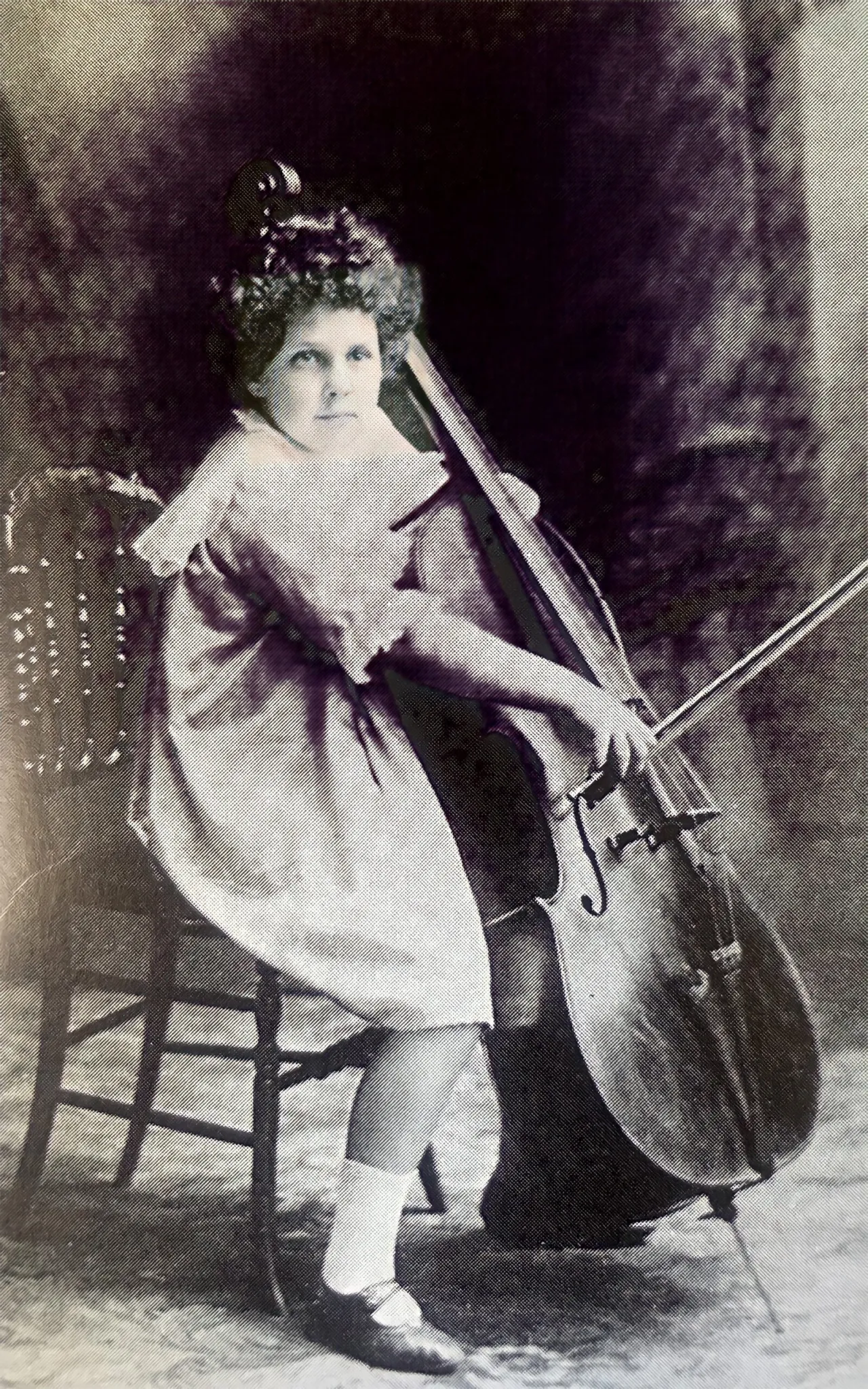
Featured image courtesy of Patricia Cleveland-Peck



Leave a Reply
Your email is safe with me.