

BY PATRICIA NEWMAN
Do you feel inundated with bad news about the environment? I know I do. The media is relentless in its pursuit to publish as much bad news as possible. And if we’re feeling anxious, imagine how the children in our lives are feeling. Whenever I speak at conferences, I ask audiences if their students are anxious about the state of our planet. Approximately 80 to 90 percent of educators and librarians say yes. But guess what? Good things are happening on behalf of nature, too, except the media doesn’t report them. So it’s up to us to share them. These shining moments help us channel hope rather than despair.
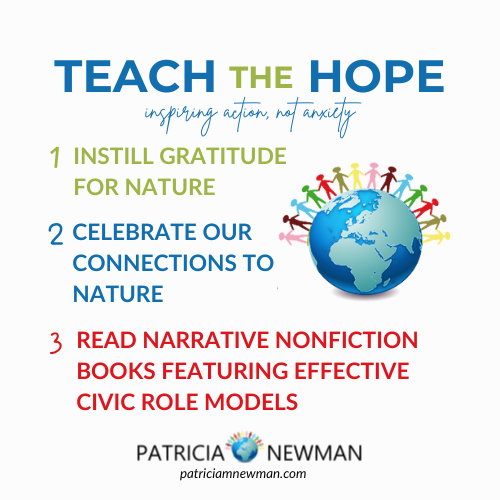
What is Teach the Hope?
My Teach the Hope strategy has three main components:
- instill a sense of gratitude for nature
- celebrate our connections to nature
- read true stories about civic role models making a difference in their communities
(More about the research behind my Teach the Hope strategy)
Environmental literacy today
Some of the common environmental literacy topics I see in schools include, charting our energy consumption, the science of climate change, plastic marine debris, and endangered species. If the teacher is a strong environmental proponent, students may also be exposed to overfishing, ocean acidification, and the affects of fertilizers on rivers, lakes, and oceans. But all of these lessons define and explain problems. Then we usually ask students how they might solve these problems, as if it is their responsibility, not ours. Taken together with the deluge of bad news from media outlets, we may actually be increasing our students’ anxiety and apathy rather than empowering them to act.
How can you change this pattern? Try these two examples.
Hope example #1: Endangered species
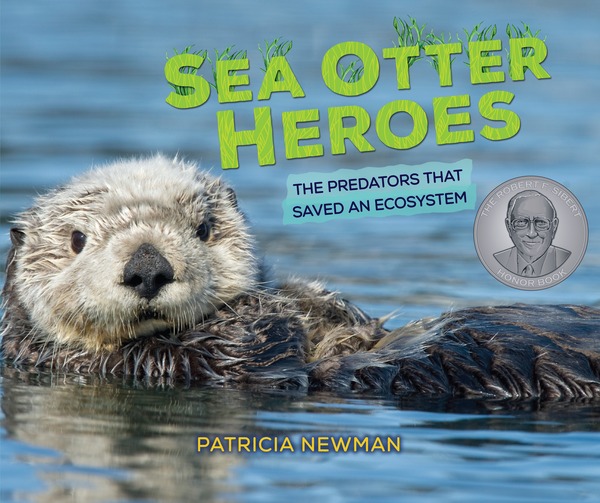
Using endangered species as a theme, I would suggest explaining, in general, why some species are endangered. Instead of launching directly into an endangered species project where students begin their own research on one species, read a nonfiction book about scientists who are actively trying to save endangered species. For instance, in Sea Otter Heroes, Dr. Brent Hughes makes a case for protecting sea otters because they save seagrass ecosystems which provide a number of benefits for other wildlife and humans. How do those benefits work? How specifically do other wildlife and humans benefit from sea otters in our ocean?
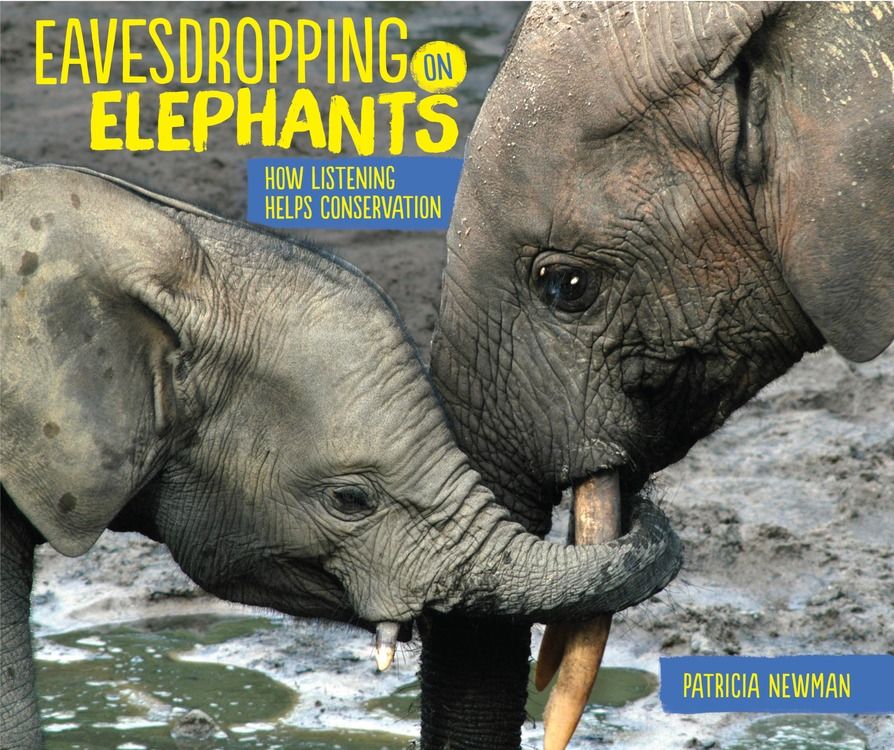
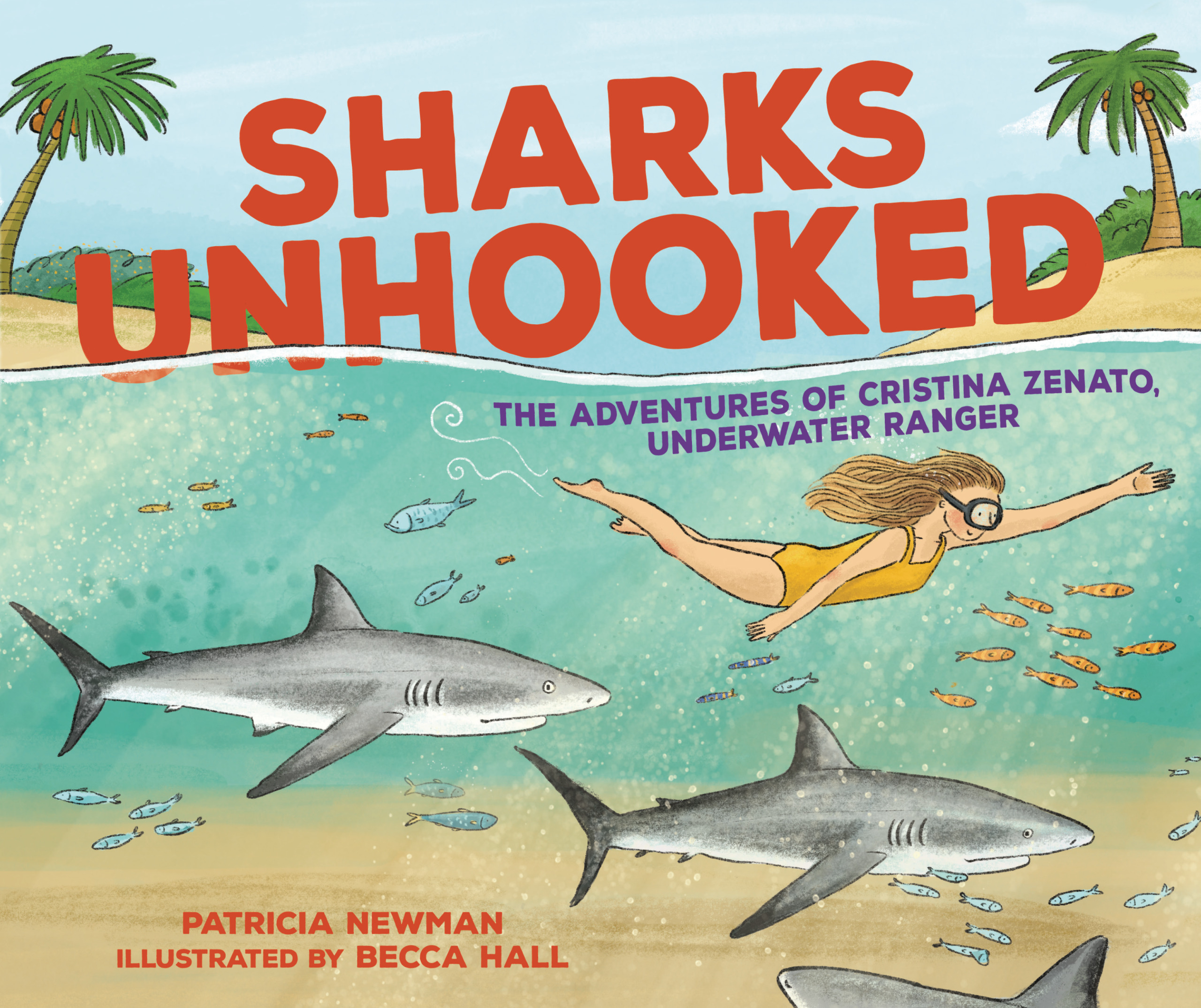
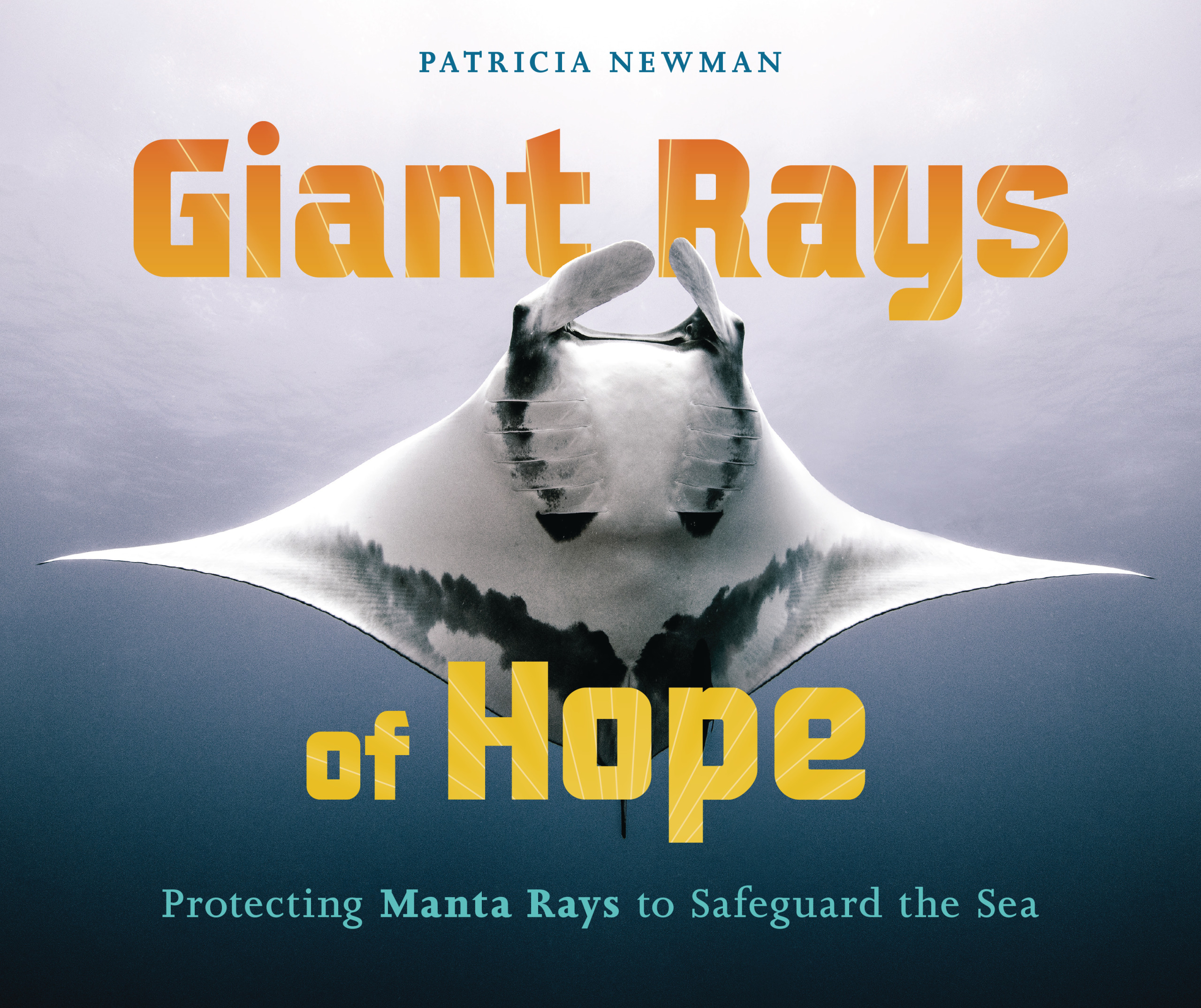
To illustrate what might happen without sea otters, play the Ocean Food Web Web game in the Sharks Unhooked educator guide. Although this game is written specifically for sharks, you can modify for the sea otters in Sea Otter Heroes, for the elephants featured in Eavesdropping on Elephants, or for the manta rays in Giant Rays of Hope.
By reading these books, you’ve established our connection to the endangered species and why we should be grateful for it. You’ve also shared story of hope and showed your students that even though the animal is endangered, scientists all over the world are doing something about it.
Hope example #2: Birds
Do you and your students know why birds are important to the world? Among other things, their poop fertilizes plants, they transport seeds and spores, and they eat insect pests. But there are so many kinds of birds! Where do you start?
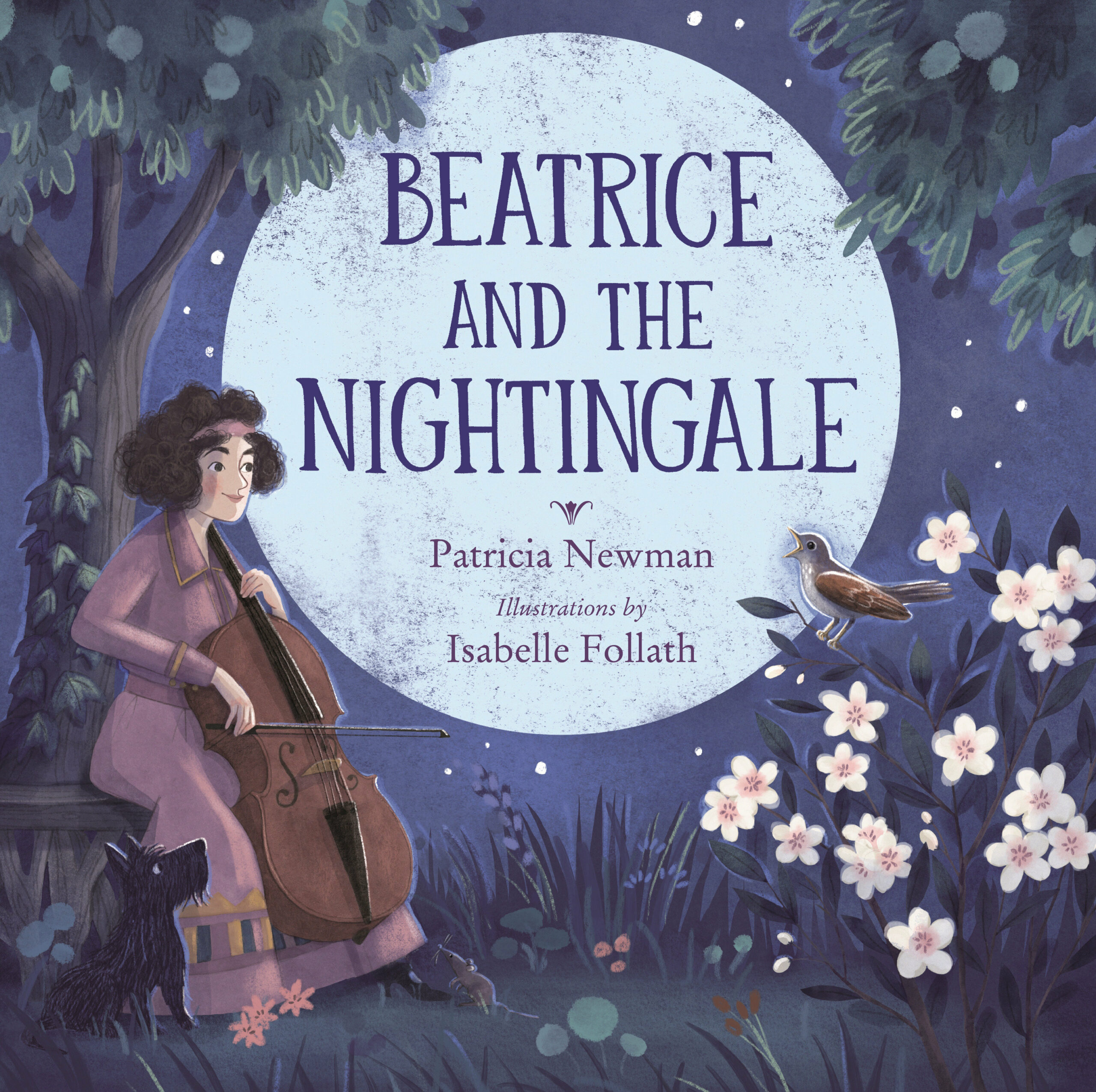
During my school visits, the kids and I play a bird guessing game called Who’s Talking? I play a bird call and they guess the kind of bird making that call. Then I introduce them to a new bird called a nightingale, which is a direct connection to Beatrice and the Nightingale, a true story about cellist Beatrice Harrison who shares nightingale song with the world.
We read the story together and talk about how Beatrice combined her love of music and birds. We talk about how birds help us, establishing our connection to birds and why we should be grateful for them. Beatrice’s story is the hope of how one person with enough passion can make a difference.
Once children care, they are empowered to act.
Why does this work?
By using nonfiction children’s books, you provide access to an effective civic role model. (Research shows that effectiveness is key to hope.) The above lessons connect children to nature and help them develop gratitude for these connections. The addition of the role models allows kids to see how solutions to environmental challenges might look. Through true stories students see a variety of effective projects and techniques which empower rather than paralyze. If we skip the hope step, we run the risk of exacerbating eco-anxiety and placing too-heavy a burden on our children’s shoulders.
Other resources
You might consider helping students identify the qualities of effective civic role models prior after reading stories of hope. Once they understand the concept, they can find stories of hope themselves!
Check out this LitLinks lesson from the archives to get you started.
Featured image credit: Rolex Awards



Leave a Reply
Your email is safe with me.