

BY PATRICIA NEWMAN
Every classroom subject can teach scientific thinking, and children’s books are a great way in.
In 2020, I was asked to speak to a special interest group at an International Literacy Association conference about integrating English Language Arts and STEM using children’s books. I had just stumbled upon a Scientific American article titled, “We Should Teach All Students, in Every Discipline, to Think Like Scientists.” The author advocates teaching college students in all liberal arts programs to think like scientists. “Educating global citizens is one of the most important charges to universities, and the best way we can transcend ideology is to teach our students, regardless of their majors, to think like scientists. From American history to urban studies, we have an obligation to challenge them to be inquisitive about the world, to weigh the quality and objectivity of data presented to them, and to change their minds when confronted with contrary evidence” (Salovey, 2018).
Why stop there?
Why stop with college students? We should be teaching all kids from Kindergarten on up to think like scientists. Students of science need proof to draw conclusions and we find that proof by asking questions, developing models, engineering investigations, interpreting data, running the stats, engaging in civil debates with peers, and asking more questions. By connecting STEM-thinking to ELA and other curriculum areas, we create well-rounded youth capable of critical thinking and promoting civil discourse. Youth that will take on leadership roles in the not-too-distant future.
Science is everywhere. On the soccer field. At the zoo. In your kitchen.
I love the STEM fields because they always make me wonder and force me to make connections to the real world. Children are natural wonderers so STEM inquiries capture their imaginations. You don’t always need a lab; a good book will work, too!
STEM children’s books
Every book your students read has some connection to STEM. Perhaps it’s a tidbit of information. Perhaps it’s in the illustration. But I challenge you to find one book that I cannot connect to STEM (and the proof is the number of LitLinks posts that do just that).
In some books, the STEM connections are obvious. Giant Rays of Hope: Protecting Manta Rays to Safeguard the Sea. Planet Ocean: Why We All Need a Healthy Ocean. Sea Otter Heroes: The Predators That Saved an Ecosystem.
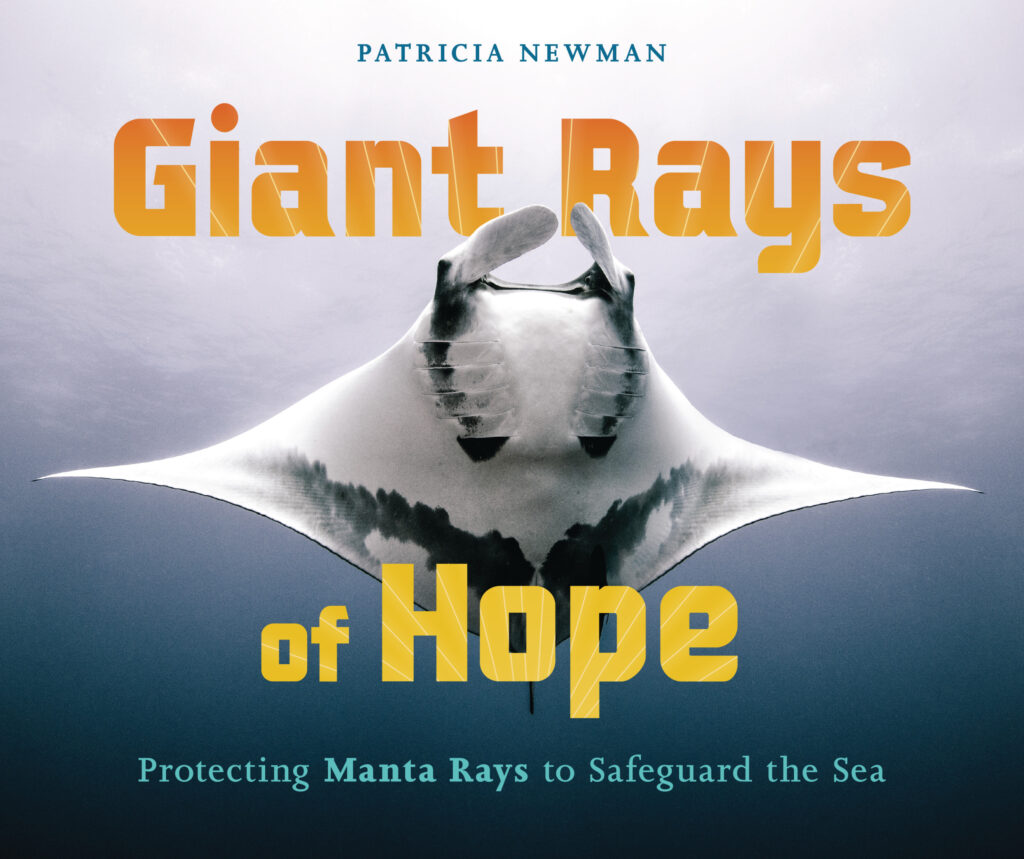
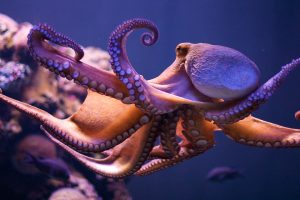
Anatomy of a marine creature
Bycatch
Ocean functions
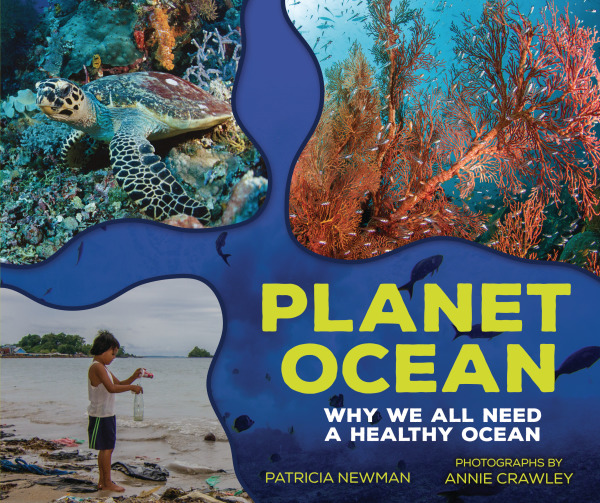
Sea level rise
Ocean acidification
Marine debris
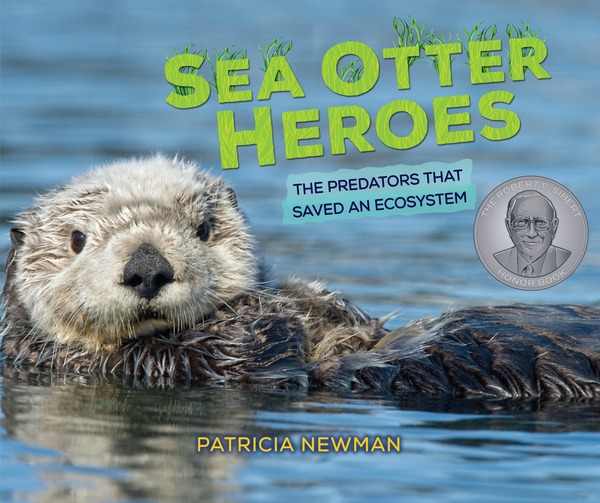
Food webs/trophic cascades
Near shore ecosystems
Scientific process
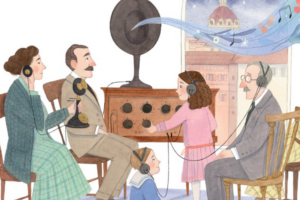
In other books, the STEM connections are not so obvious. Beatrice and the Nightingale. Sharks Unhooked: The Adventures of Cristina Zenato, Underwater Ranger. Neema’s Reason to Smile.
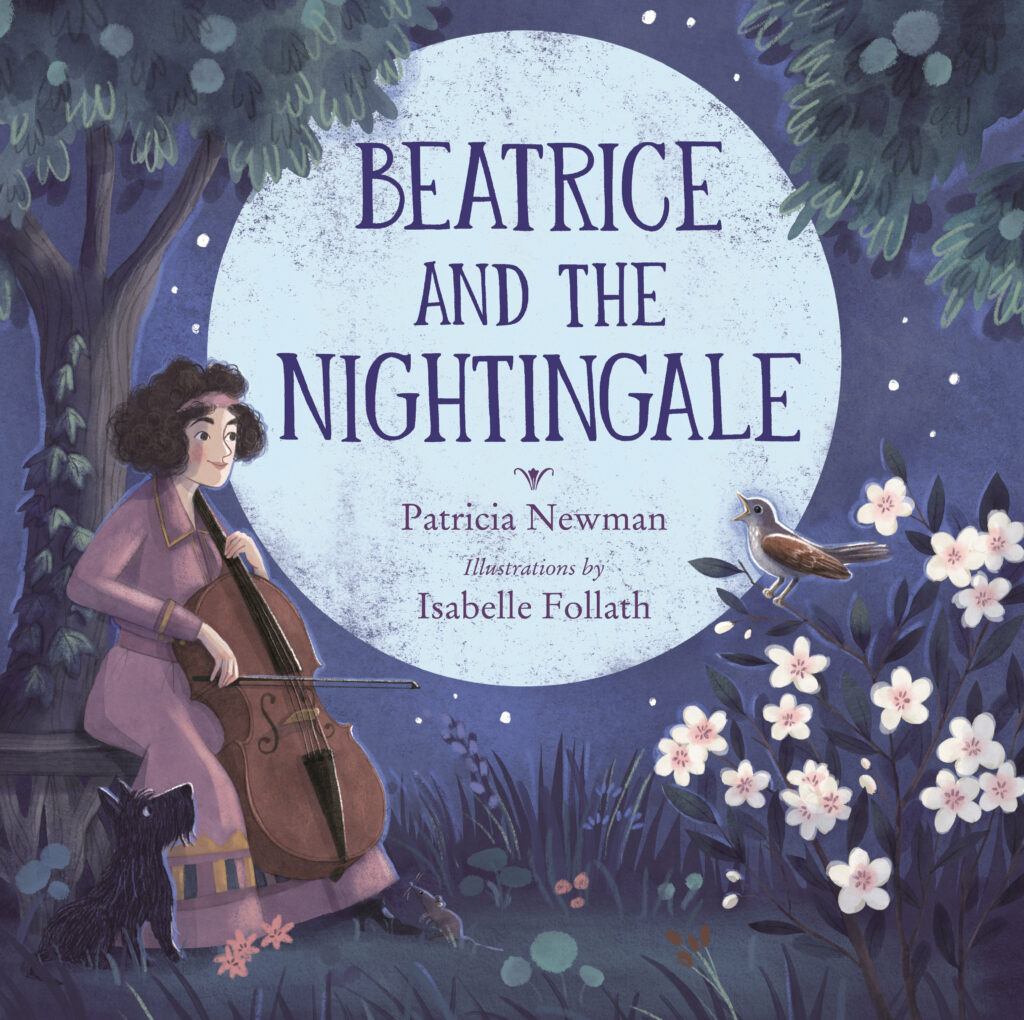
Birds
Science of radio
Technological advances

Sharks as ocean protectors
Food webs
Shark anatomy
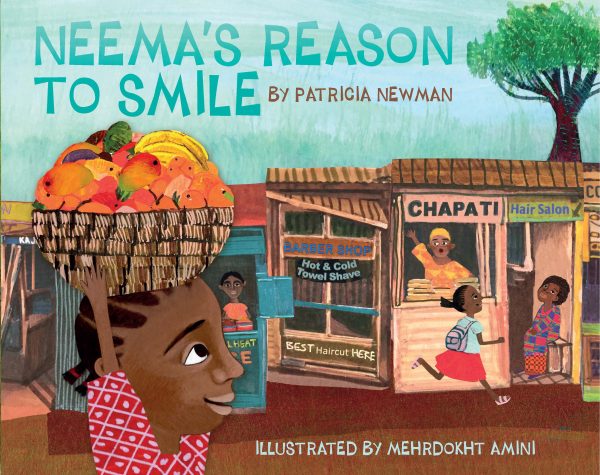
Financial literacy
Compare-contrast Venn diagrams
The NGSS cross-cutting concepts in science AND literature
In the NGSS, seven cross-cutting concepts bridge all disciplines of instruction:
- Patterns help us organize and classify things. They also prompt questions about relationships and their underlying causes.
- We know that events have Causes and Effects – sometimes simple, sometimes complex. Finding cause and effect is a major component of STEM.
- Scale, Proportion, and Quantity refers to different size, time, and energy scales, and the relationships between them. Biofuels is one example. We can make fuel from plants, but we don’t yet know how to make enough of it fast enough for global usage.
- Systems and System Models — A system is nothing more than an organized group of related components, such as an ecosystem; the ocean; or a classroom. Scientists create models to understand and predict the behavior of systems, such as climate change models.
- Energy and Matter flow into, out of, and within systems helps us understand the system’s behavior. For instance, how a food chain works with sea otters and without them.
- Structure and Function is simply how an object’s shape or structure determines its properties and functions. For instance, an elephant’s trunk is long with around 40,000 muscles. It sucks up water, smells, touches, caresses, and can lift heavy trees.
- Stability and Change are critical to understand in any system. It’s what makes the system successful or not. For instance, in a classroom system, a fire drill disturbs our daily independent reading time and prompts change. We all go outside, and chances are we won’t have time to keep reading when we come back to the classroom.
But – here’s the surprise.
These concepts also apply to literature as the devices creators use —we just use different vocabulary. I can’t tell you how excited I was to discover this idea! My two worlds – books and science – came together in a list of cross-cutting concepts in LITERATURE (from Sharing Books, Talking Science by Valerie Bang-Jensen and Mark Lubkowitz):
- Patterns – Genre (sci-fi, fantasy, NF, historical…); What repeats?
- Scale, Proportion, Quantity – Timeline of the book (a day, a week, a year?) and Size/scope (one child? A group of kids? One species; an ecosystem?)
- Systems and System Models – Setting of the story, and the boundaries or rules of that world
- Causes and Effects – Plot; WHAT is happening? WHY and HOW is it happening?
- Energy and matter – What’s happening in the system? Is matter (the character) transformed? What is the catalyst
- Structure and Function – How ideas are organized in the book. How does the story unfold – chronologically? In flashbacks? How are these devices effective?
- Stability and Change – What’s changing?
Putting it all together
If you connect the STEM in your students’ lives to their schoolwork, they too will begin to see the value and joy in STEM as a possible career and as a life-long learning opportunity. STEM-thinking students:
- Get involved – no one sits on sidelines.
- Play to their strengths.
- Develop their creativity.
- Build social skills.
- Apply learning to daily life.
- Build motivation, self-confidence.
- Build GRIT.
- Develop critical thinking skills.
Here’s why this matters beyond your classroom.
I’ve been listening to a conference recording for “Our Brains on a Changing Planet” sponsored by the Neuro Climate Working Group. Scientists have discovered six climate-related factors affecting brain health: excessive heat, extreme weather events, air pollution, food insecurity, soil and water contamination, and vector-borne diseases (The Impact of Climate and Environmental Change on Brain Health, 2026 report).
Beginning in 1998, Frederica Perera, a Columbia University researcher, followed three cohorts of New York City children and found that high air pollution concentrations led to reductions in the children’s mental development scores (see video below beginning at 16:14 – 37:00). When New York leaders instituted bus, taxi, and climate mobilization policies, air pollution decreased by 30% and the children’s mental development scores increased by 26%. This research proved a direct link to climate-related exposures and the brain health of kids!
This study is ongoing, but federal funding for it ended in 2017. What if more of our leaders understood the scientific process and brought STEM thinking to their work?
That next leader could be sitting in your classroom.
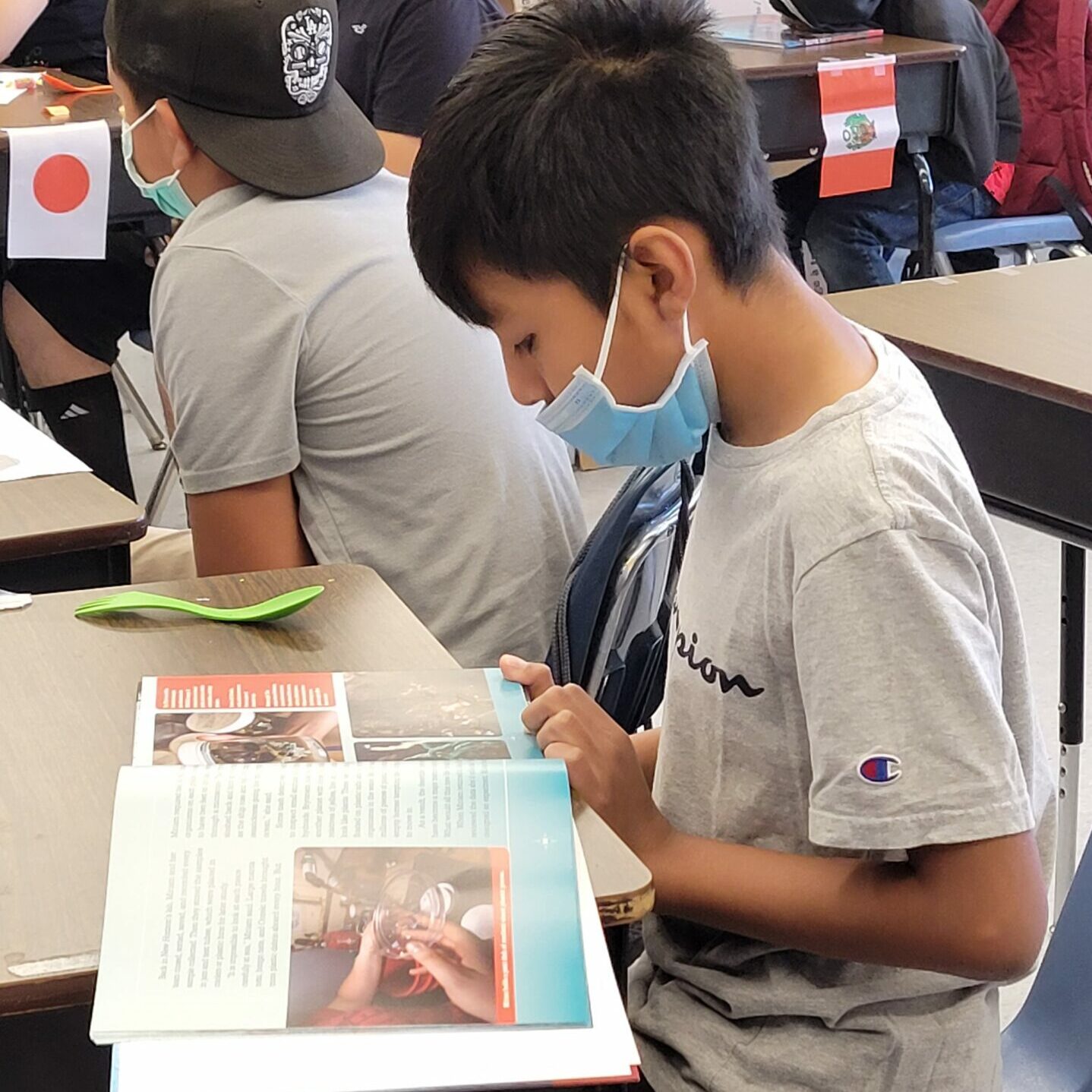
Featured image credit: Courtesy of Patricia Newman



Leave a reply
Your email is safe with me.