

• Home
  • Books
    • Beatrice and the Nightingale
    • Sharks Unhooked: The Adventures of Cristina Zenato, Underwater Ranger
    • Giant Rays of Hope: Protecting Manta Rays to Safeguard the Sea
    • A River’s Gifts: The Mighty Elwha River Reborn
    • Planet Ocean
    • Eavesdropping on Elephants
    • Neema’s Reason To Smile
    • Zoo Scientists to the Rescue
    • Sea Otter Heroes: The Predators That Saved an Ecosystem
    • Plastic, Ahoy! Investigating the Great Pacific Garbage Patch
    • Ebola: Fears and Facts
    • Jingle the Brass
    • Nugget on the Flight Deck
    • Surviving Animal Attacks
    • Elite Operations series
    • Energy Lab series
    • QuickReads Fluency Library
    • Books for English language-learners
    • Writers write all kinds of things
  • Author Visit Programs
    • FAQs
    • Calendar
  • Blog
  • Educator Resources
    • Teach the Hope
    • Earth Day Every Day newsletter archive
    • Teacher Guides
    • STEM + Literacy Activities
    • LitLinks
    • KidLit creators who make kids want to read
  • Writer Resources
    • Writing Classes
    • Manuscript or Proposal Critiques
    • How I got my start
  • Who is Patricia Newman?
  • Contact
    • Stay In Touch
    • Earth Day Every Day newsletter archive
Patricia NewmanPatricia Newman
Sibert Honor Children's Book Author & Environmentalist
  • Home
  • Books
    • Beatrice and the Nightingale
    • Sharks Unhooked: The Adventures of Cristina Zenato, Underwater Ranger
    • Giant Rays of Hope: Protecting Manta Rays to Safeguard the Sea
    • A River’s Gifts: The Mighty Elwha River Reborn
    • Planet Ocean
    • Eavesdropping on Elephants
    • Neema’s Reason To Smile
    • Zoo Scientists to the Rescue
    • Sea Otter Heroes: The Predators That Saved an Ecosystem
    • Plastic, Ahoy! Investigating the Great Pacific Garbage Patch
    • Ebola: Fears and Facts
    • Jingle the Brass
    • Nugget on the Flight Deck
    • Surviving Animal Attacks
    • Elite Operations series
    • Energy Lab series
    • QuickReads Fluency Library
    • Books for English language-learners
    • Writers write all kinds of things
  • Author Visit Programs
    • FAQs
    • Calendar
  • Blog
  • Educator Resources
    • Teach the Hope
    • Earth Day Every Day newsletter archive
    • Teacher Guides
    • STEM + Literacy Activities
    • LitLinks
    • KidLit creators who make kids want to read
  • Writer Resources
    • Writing Classes
    • Manuscript or Proposal Critiques
    • How I got my start
  • Who is Patricia Newman?
  • Contact
    • Stay In Touch
    • Earth Day Every Day newsletter archive
urban-coyote

LitLinks: How to teach persuasive writing with kidlit

August 28, 2024 LitLinks, LitLinks-Grade 6-8, LitLinks-High School No Comments
LitLinks Logo-2022

GUEST BLOGGER MARY KAY CARSON


Persuasive writing is one of the basic writing forms taught in schools today. It seeks to convince or persuade readers on a particular topic or point of view, and/or to take a desired action. The bread and butter of persuasive writing is building a compelling argument for or against something through logic, reasoning, and evidence. That’s a perfect structure to practice the organizational skills needed for all sorts of writing.
Urban-Coyotes-cover

Caring motivates sharing

A key to teaching a successful persuasive writing lesson is first getting students engaged in a topic. Once kids have acquired facts and formed opinions, they feel empowered and excited to take the next step: share their thoughts and feelings through words on the page. No one sits down to write a letter to a government representative, newspaper editorial board, or customer service department for no reason. The desire to influence decisions, demand change, or seek restitution drives much of the persuasive writing we encounter day to day. Helping students to harness that emotional connection to a topic and take a position will help them write with more power to influence readers.

Persuasive writing prompt: are city coyotes a problem?
urban-coyote

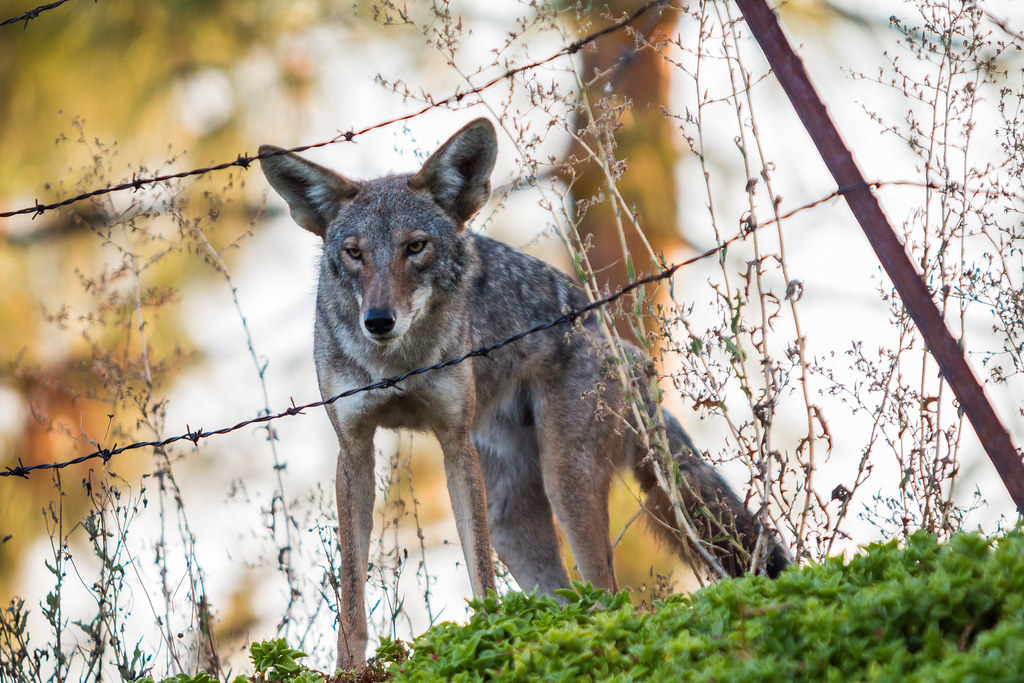
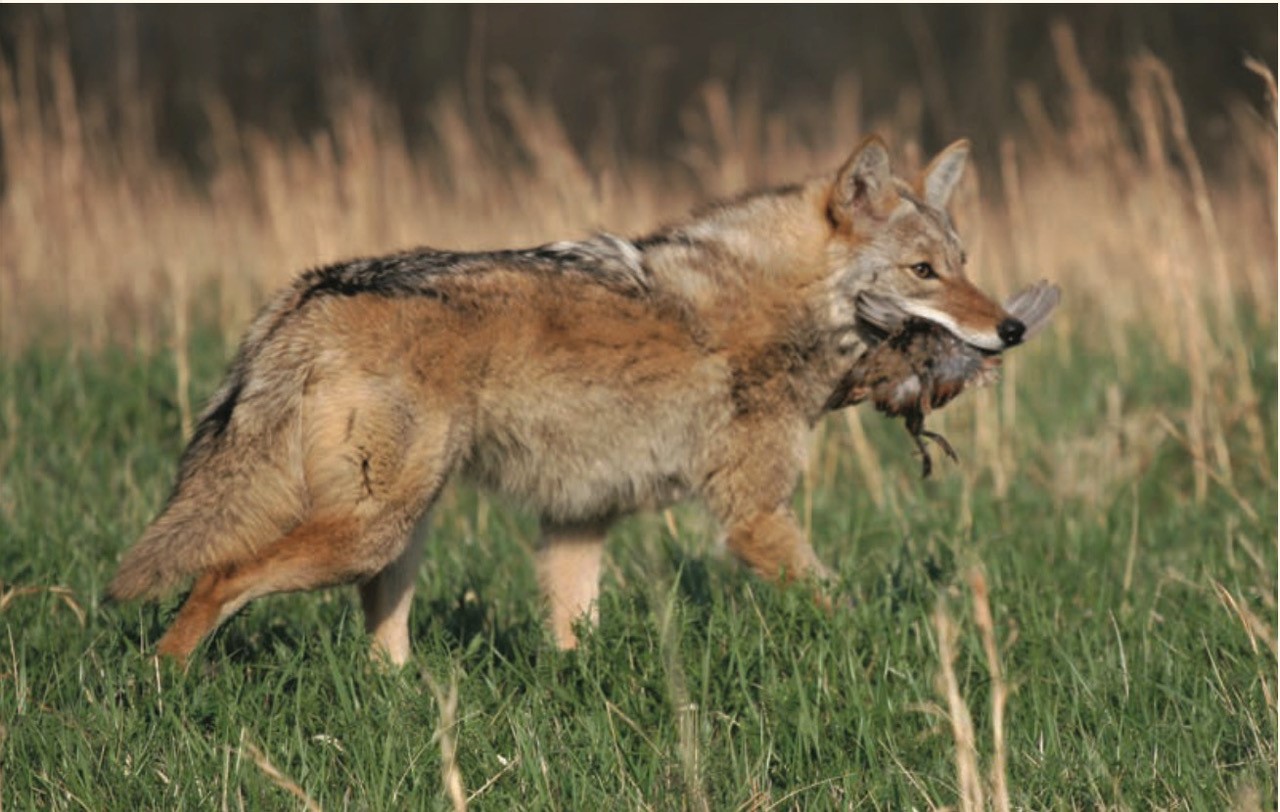
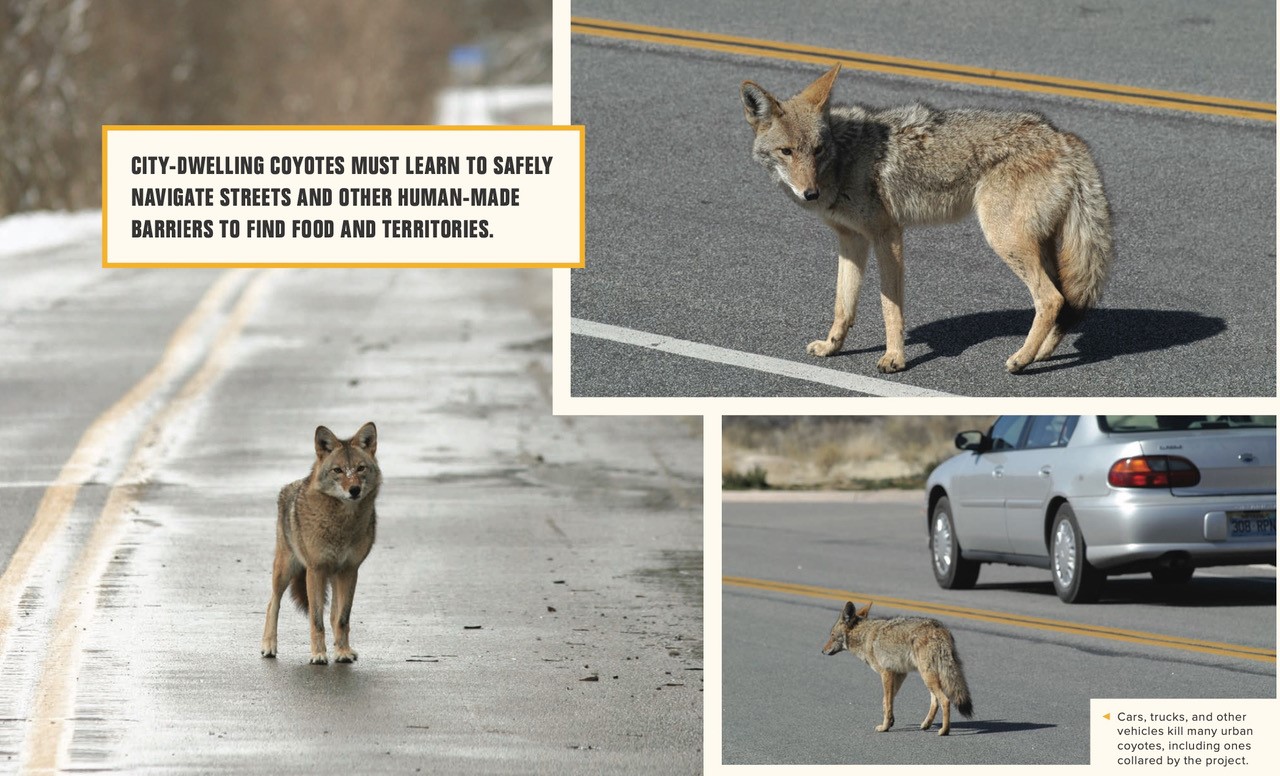
Kids care about animals, both wildlife and pets. At times a controversial intersection between the two in many parts of North America is the growing presence of coyotes. Once a western animal of deserts and prairies, coyotes now live coast to coast. Human activity inadvertently expanded the coyote’s range and provided it suitable habitat by chopping down forests, eliminating wolves and other large predators, and boosting rodent populations. Their singular adaptability, intelligence, and ability to learn has allowed coyotes to move in and thrive where few predators of their size can—in close proximity to people. Coyotes today not only trot through backyards and den in suburban parks, they raise pups in downtown cemeteries and expertly navigate urban streets.

Pre-writing activity

  • Begin with a casual classroom discussion. Ask students what they know about coyotes. Invite them to share any personal experiences: sightings, roadkill, hunting, fables, cartoons, etc.
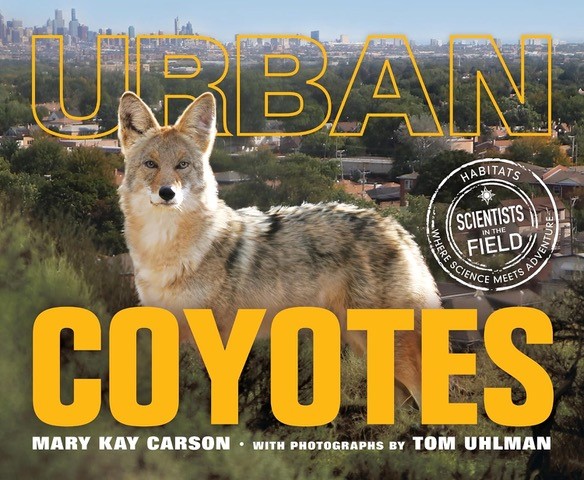
  • Have students read Urban Coyotes. (Chapters 3 and 6 are especially important for this topic.)
  • After reading, facilitate a more structured discussion about coyotes moving into populated areas. Create a list of bullet points on the board from students’ comments under the headings: PROBLEM PEST / IMPORTANT PREDATOR.

Activity: Write a persuasive essay

Once sufficient enthusiasm is generated for the topic, ask students to choose a side of the argument. They must a persuasive essay that supports their views and ultimately influences readers. Encourage students to include at least three reasons in support of their chosen position. Invite students to share their essays with the class, revisiting the debate in a follow-up class discussion. Did students chang their minds?
Urban-Coyotes-spread
From Urban Coyotes by Mary Kay Carson with photographs by Tom Uhlman (Clarion Books, 2024)

Featured image credit: “Urban Coyotes” by Santa Monica Mountains National Recreation Area, marked with Public Domain Mark 1.0.


Mary-Kay-Carson-headshot

Mary Kay Carson is an author of nonfiction books for young people. Her books have received more than a dozen starred reviews, as well as multiple awards, including the 2019 AAAS/Subaru SB&F Prize for Excellence in Science Books for Alexander Graham Bell for Kids. She has written seven titles in Clarion’s acclaimed Scientists in the Field series. Find out more at www.MaryKayCarson.com or follow her on Twitter, Facebook, and Instagram: @MaryKayCarson

Click for more LITLINKS STEM + Literacy activities

Tags: STEM+LiteracySTEM+Literacy Natural Science
No Comments
Share
2

You also might be interested in

"On-Bryher"-by-chrisotruro-is-licensed-under-CC-BY-NC-SA-2.0.

LitLinks: Unlock the Secret Story Hidden Inside Every Rock

Aug 12, 2026

GUEST BLOGGER MELISSA KOCH As summer moves into fall, we[...]

single-use-plastic-straws

LitLinks: How time travel will help students reduce single-use plastic

Mar 22, 2023

GUEST BLOGGER KRISTEN WALKER This lesson combines awareness of modern-day[...]

DrinkingWater-6431612093_5d19bb3369_b

LitLinks: 3 easy ways to explore your drinking water

Feb 16, 2022

GUEST BLOGGER NANCY CASTALDO Water is life! All organisms on[...]

Leave a Reply

Your email is safe with me.
Cancel Reply

Click the logo to have LitLinks delivered to your inbox

LitLinks Logo-2022

Author Visits

https://youtu.be/oEZiUVKmt2k
https://youtu.be/ziN0UrqaDYI

Earth Day Every Day Newsletter Archive

Earth-Day-Every-Day-newsletter-banner

Post Categories:

Blog Archive

Top Posts

LitLinks: How to share our ocean connections with kids and teens

LitLinks: Let’s learn to decode photos in STEM nonfiction

LitLinks: How Elephants Can Make Your Sound Unit ROAR!

LitLinks: Easy ways to build students’ science communication skills

Proof that science connects kids to the larger world

Recent Comments

  • Patricia Newman on LitLinks: 3 easy sustainable food activities for the classroom Thank YOU, Kari!
  • Kari Ann Gonzalez on LitLinks: 3 easy sustainable food activities for the classroom Thank you so much for having me on your blog,…
  • Cynthia Argentine on LitLinks: 5 simple steps for comparing birdsong with instrumental music Wonderful integration of music and science and nature! I'm a…
Empowering young readers to act

Latest Blog Posts

  • LitLinks: 3 easy sustainable food activities for the classroom
    LitLinks: 3 easy sustainable food activities for the classroom
  • LitLinks: Help students write well. The magic is in the details.
    LitLinks: Help students write well. The magic is in the details.
  • LitLinks: Cause and effect loops – a new look at an old concept
    LitLinks: Cause and effect loops – a new look at an old concept

Connect with me on social media

Action Shots

Check out the STEM Tuesday Blog

© 2026 — Patricia Newman

  • Home
  • Books
    • Beatrice and the Nightingale
    • Sharks Unhooked: The Adventures of Cristina Zenato, Underwater Ranger
    • Giant Rays of Hope: Protecting Manta Rays to Safeguard the Sea
    • A River’s Gifts: The Mighty Elwha River Reborn
    • Planet Ocean
    • Eavesdropping on Elephants
    • Neema’s Reason To Smile
    • Zoo Scientists to the Rescue
    • Sea Otter Heroes: The Predators That Saved an Ecosystem
    • Plastic, Ahoy! Investigating the Great Pacific Garbage Patch
    • Ebola: Fears and Facts
    • Jingle the Brass
    • Nugget on the Flight Deck
    • Surviving Animal Attacks
    • Elite Operations series
    • Energy Lab series
    • QuickReads Fluency Library
    • Books for English language-learners
    • Writers write all kinds of things
  • Author Visit Programs
    • FAQs
    • Calendar
  • Blog
  • Educator Resources
    • Teach the Hope
    • Earth Day Every Day newsletter archive
    • Teacher Guides
    • STEM + Literacy Activities
    • LitLinks
    • KidLit creators who make kids want to read
  • Writer Resources
    • Writing Classes
    • Manuscript or Proposal Critiques
    • How I got my start
  • Who is Patricia Newman?
  • Contact
    • Stay In Touch
    • Earth Day Every Day newsletter archive
Prev Next