


GUEST BLOGGER JULIE HONAN JOHNSTON
Both language and nature have patterns and rhythms. The object of this lesson is to simultaneously explore rhythm in language and rhythms in different ecosystems of the ocean.
Materials
Download the PDF on my website here for discussion prompts and vocabulary games. You will also need art supplies and/or outdoor nature supplies to build habitats and ecosystems.
Discuss
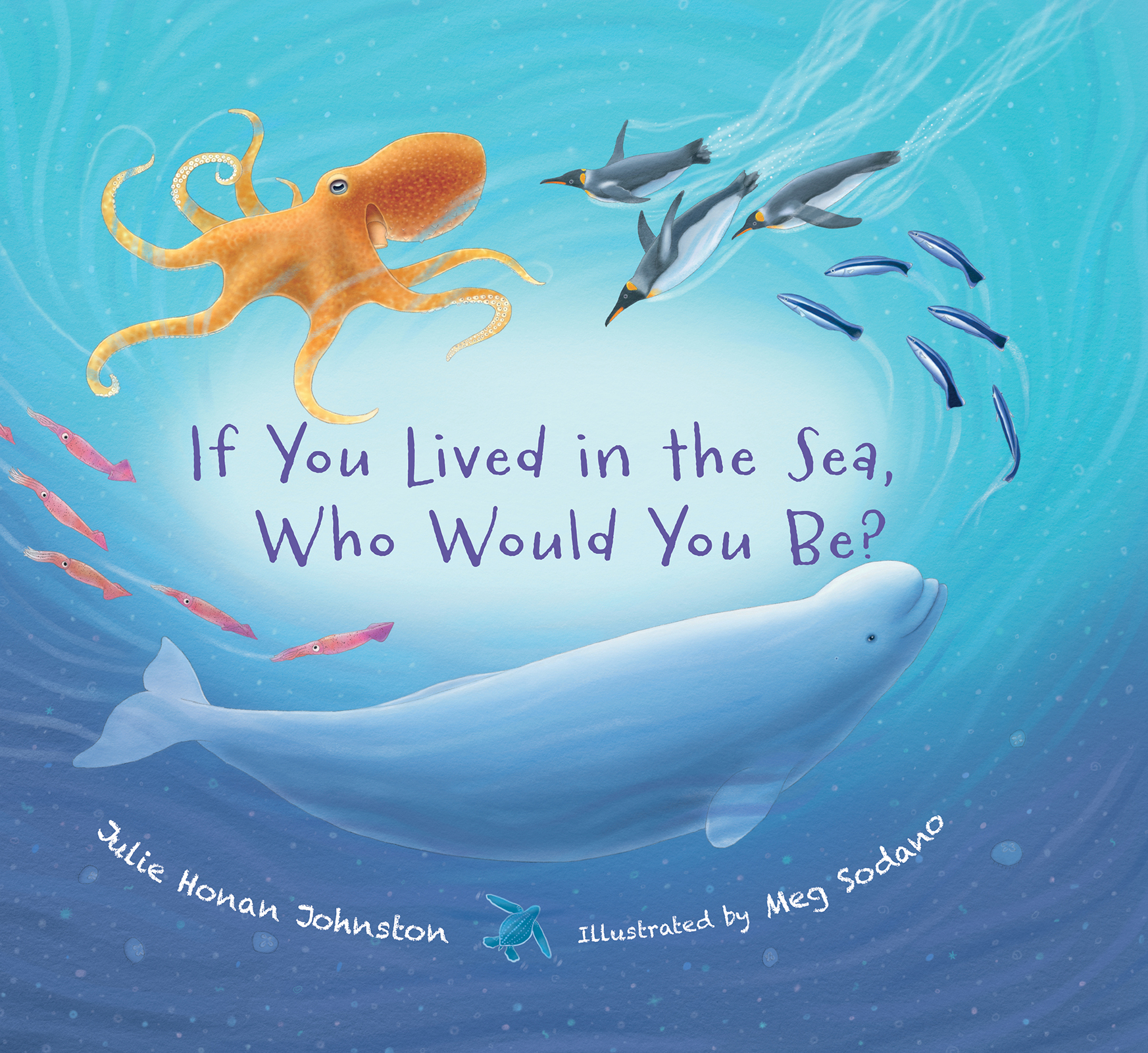
Before reading the book, If You Lived in the Sea, Who Would You Be?, ask your students what they already know about the ocean. How many of them have been there? Did they see any animals? Who has been to an aquarium? What animals did they see? Keep these animals in mind while reading. Were any of their animals featured in the book? Did anyone learn about new animals they had never heard of?
Read and listen to the rhythm
Read the book, If You Lived in the Sea, Who Would You Be? Ask – did anyone notice a rhythm in the book? Do they know the difference between rhythm and rhyme? Point out the rhythm, which sounds like: da da dum, da da dum, da da dum, da da dum.
Learn together
Familiarize the students with the linguistic rhythm of the names of the animals. Explain that words have stressed and unstressed syllables. If you need help with this, watch this video first:
Write as many vocabulary words on the board as you wish and mark the stressed and unstressed syllables with an accent over the unstressed syllable, and an x over the stressed syllable. Say the words out loud and use different gestures like a clap and a stomp for the stress vs. the non-stressed syllables.
| WORD | STRESSES | CAPS |
|---|---|---|
| Manatee | X – – | MAN a tee |
| Anemone | – X – – | a NEM o nee |
| Cleaner Wrasse | X – – | CLEAN er wrasse |
| Octopus | X – – | OCT o pus |
| Plankton | X – | PLANK ton |
| Nudibranch | X – – | NUD i brank |
| Dugong | X – | DU gong |
| Beluga | – X – | bel U ga |
Continue the lesson on beats with unstressed and stressed syllables in full sentences. Clap out and mark on the board the stressed beats in sentences from the book.
Examples
PerHAPs you’d preFER to surf WAVES in a BAY,
- – X – – X – – X – – X
Over SOFT, swirling SAND, on a HOT, summer DAY
- – X – – X – – X – – X
Point out that this is only one of many different named rhythms in English. This one is called Anapest. Read a few other books or poems with anapestic beats. Some examples are: The Cat in the Hat, Oh the Places You’ll Go, ‘Twas the Night Before Christmas. Have the kids try to write their own sentences using the anapestic beat.
Rhythms in the ocean and in nature
Now switch to learning about rhythms and patterns in nature. Going back to the book, look at each page and compare and contrast different animals on each spread. What is different? What is the same? Name three rhythms or patterns you might see, hear, or touch in any of those ecosystems or with any of those animals. Note that most animals in the book are in pairs. Some of them have similar traits, some of them have different or opposing traits. What are they? Sometimes the traits can be found in the animals’ habitats.
Artwork
Have the kids choose one ecosystem from the book. Some examples could be: the icy arctic where belugas live; the tidal zone where crabs, anemones, barnacles and sea snails live; the deep seas where blob fish, angler fish, and barreleye fish live; the inner seas where dolphins and whales swim, etc. They will research the animals who live in the ecosystem they have chosen, and then come up with a list of rhythms and patterns they might see, hear, touch, smell, etc. There are no limits here – the kids will find all kinds of patterns and rhythms that you may not have thought of. Draw or paint the patterns and rhythms using different art materials and techniques.
Final presentation
Bring everything together by combining linguistic rhythms with rhythms in nature. Have your students write something using the anapest beat that describes their scene. Most likely, the presentation would start with, “If I lived in the X – I would x – – x.” Display these around the room and present them to the class.
Featured image credit: “World Oceans Day” by Gérard Cachon is licensed under CC BY-NC-ND 2.0.
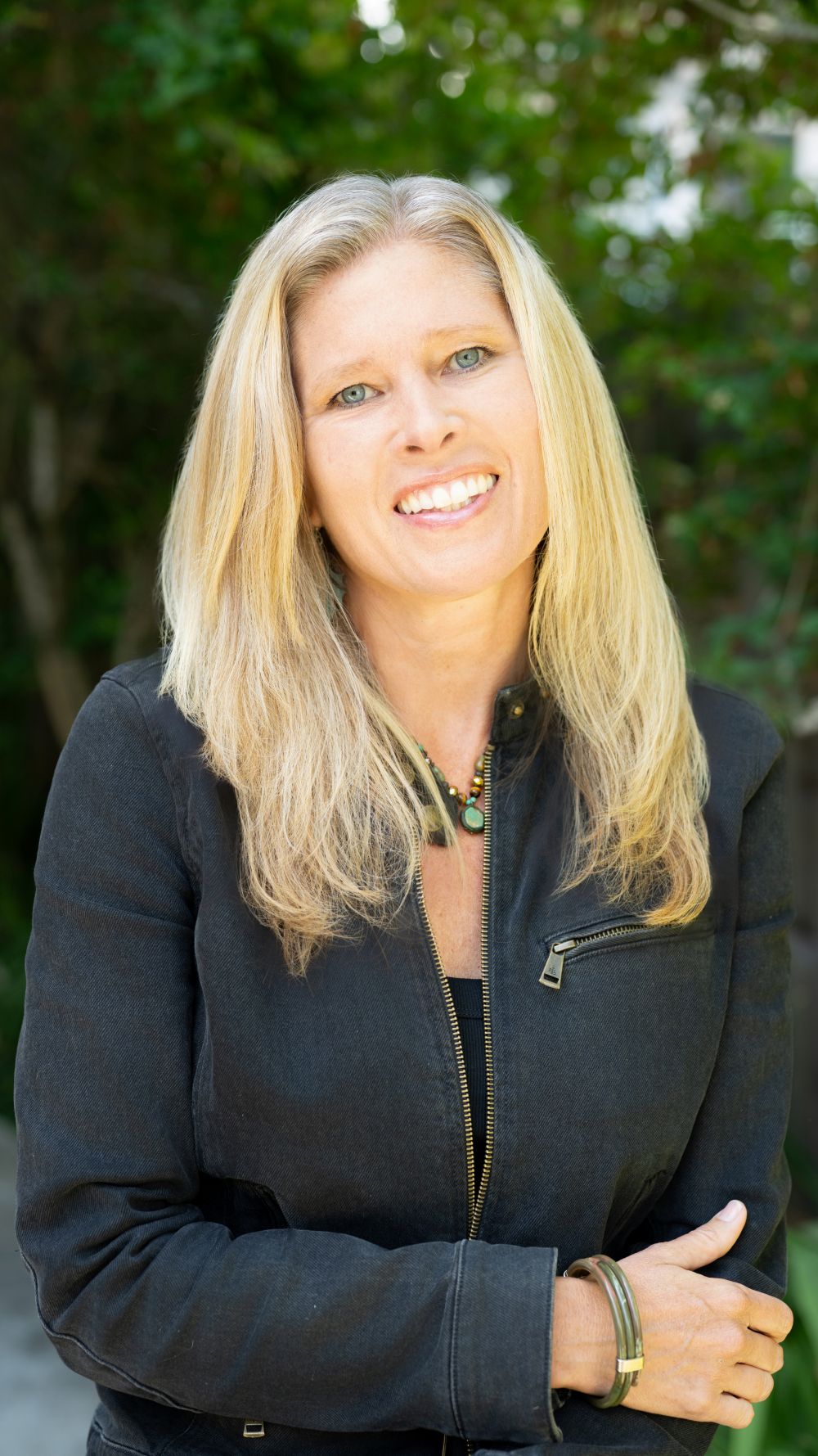
Julie Honan Johnston is the author of If You Lived in the Sea, Who Would You Be? and the Who Would You Be? nonfiction series for children. Julie is a member of SCBWI and Inked Voices. Some of her other work can be found in Slackjaw, Red Tricycle, The Dirigible Balloon, the San Francisco Chronicle, and elsewhere. In addition to working as a writer, she is also the owner of a children’s secondhand clothing boutique in Northern California where she lives with her husband and two children. Learn more on her website at juliehonanjohnston.com. Follower her on Instagram @juliehonanjohnston, on BlueSky at @juliehonanjohnston.bsky.social, on Facebook at facebook.com/juliehonanjohnston, or on X at honan_julie.



Leave a Reply
Your email is safe with me.