

• Home
  • Books
    • Beatrice and the Nightingale
    • Sharks Unhooked: The Adventures of Cristina Zenato, Underwater Ranger
    • Giant Rays of Hope: Protecting Manta Rays to Safeguard the Sea
    • A River’s Gifts: The Mighty Elwha River Reborn
    • Planet Ocean
    • Eavesdropping on Elephants
    • Neema’s Reason To Smile
    • Zoo Scientists to the Rescue
    • Sea Otter Heroes: The Predators That Saved an Ecosystem
    • Plastic, Ahoy! Investigating the Great Pacific Garbage Patch
    • Ebola: Fears and Facts
    • Jingle the Brass
    • Nugget on the Flight Deck
    • Surviving Animal Attacks
    • Elite Operations series
    • Energy Lab series
    • QuickReads Fluency Library
    • Books for English language-learners
    • Writers write all kinds of things
  • Author Visit Programs
    • FAQs
    • Calendar
  • Blog
  • Educator Resources
    • Teach the Hope
    • Earth Day Every Day newsletter archive
    • Teacher Guides
    • STEM + Literacy Activities
    • LitLinks
    • KidLit creators who make kids want to read
  • Writer Resources
    • Writing Classes
    • Manuscript or Proposal Critiques
    • How I got my start
  • Who is Patricia Newman?
  • Contact
    • Stay In Touch
    • Earth Day Every Day newsletter archive
Patricia NewmanPatricia Newman
Sibert Honor Children's Book Author & Environmentalist
  • Home
  • Books
    • Beatrice and the Nightingale
    • Sharks Unhooked: The Adventures of Cristina Zenato, Underwater Ranger
    • Giant Rays of Hope: Protecting Manta Rays to Safeguard the Sea
    • A River’s Gifts: The Mighty Elwha River Reborn
    • Planet Ocean
    • Eavesdropping on Elephants
    • Neema’s Reason To Smile
    • Zoo Scientists to the Rescue
    • Sea Otter Heroes: The Predators That Saved an Ecosystem
    • Plastic, Ahoy! Investigating the Great Pacific Garbage Patch
    • Ebola: Fears and Facts
    • Jingle the Brass
    • Nugget on the Flight Deck
    • Surviving Animal Attacks
    • Elite Operations series
    • Energy Lab series
    • QuickReads Fluency Library
    • Books for English language-learners
    • Writers write all kinds of things
  • Author Visit Programs
    • FAQs
    • Calendar
  • Blog
  • Educator Resources
    • Teach the Hope
    • Earth Day Every Day newsletter archive
    • Teacher Guides
    • STEM + Literacy Activities
    • LitLinks
    • KidLit creators who make kids want to read
  • Writer Resources
    • Writing Classes
    • Manuscript or Proposal Critiques
    • How I got my start
  • Who is Patricia Newman?
  • Contact
    • Stay In Touch
    • Earth Day Every Day newsletter archive
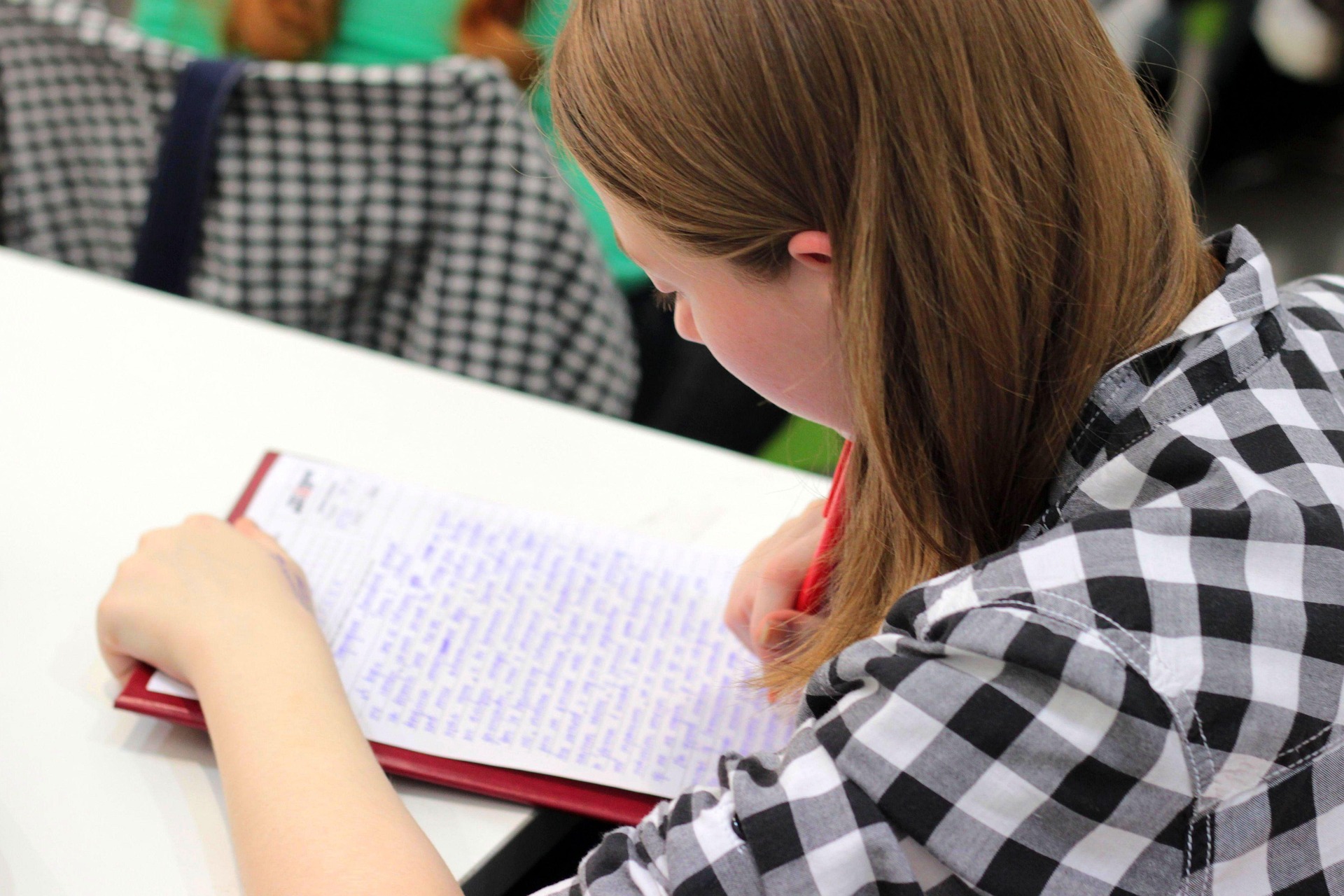
Girl-writing

LitLinks: How to teach writing revision with plan-do-check-act

November 11, 2026 LitLinks, LitLinks-Grade 3-5, LitLinks-Grade 6-8, LitLinks-Grade K-2 No comments
LitLinks Logo-2022

GUEST BLOGGER JESSICA STREMER


The Plan-Do-Check-Act (PDCA) cycle is an iterative process used in science to solve problems and test theories. It’s also commonly used in writing and can be a great way to make the revision process a little more fun.

Plan

The first part of this cycle is planning. Usually writers have a general idea of what they want to write about, even if the details are a little fuzzy when they first start out. For example, a writer may decide they want to tell a story about a famous person. After researching they may want to write about challenges the person overcame, or maybe they want to focus on just one fun or exciting event in that person’s life. Plans evolve and change, which can make the process challenging yet fun.
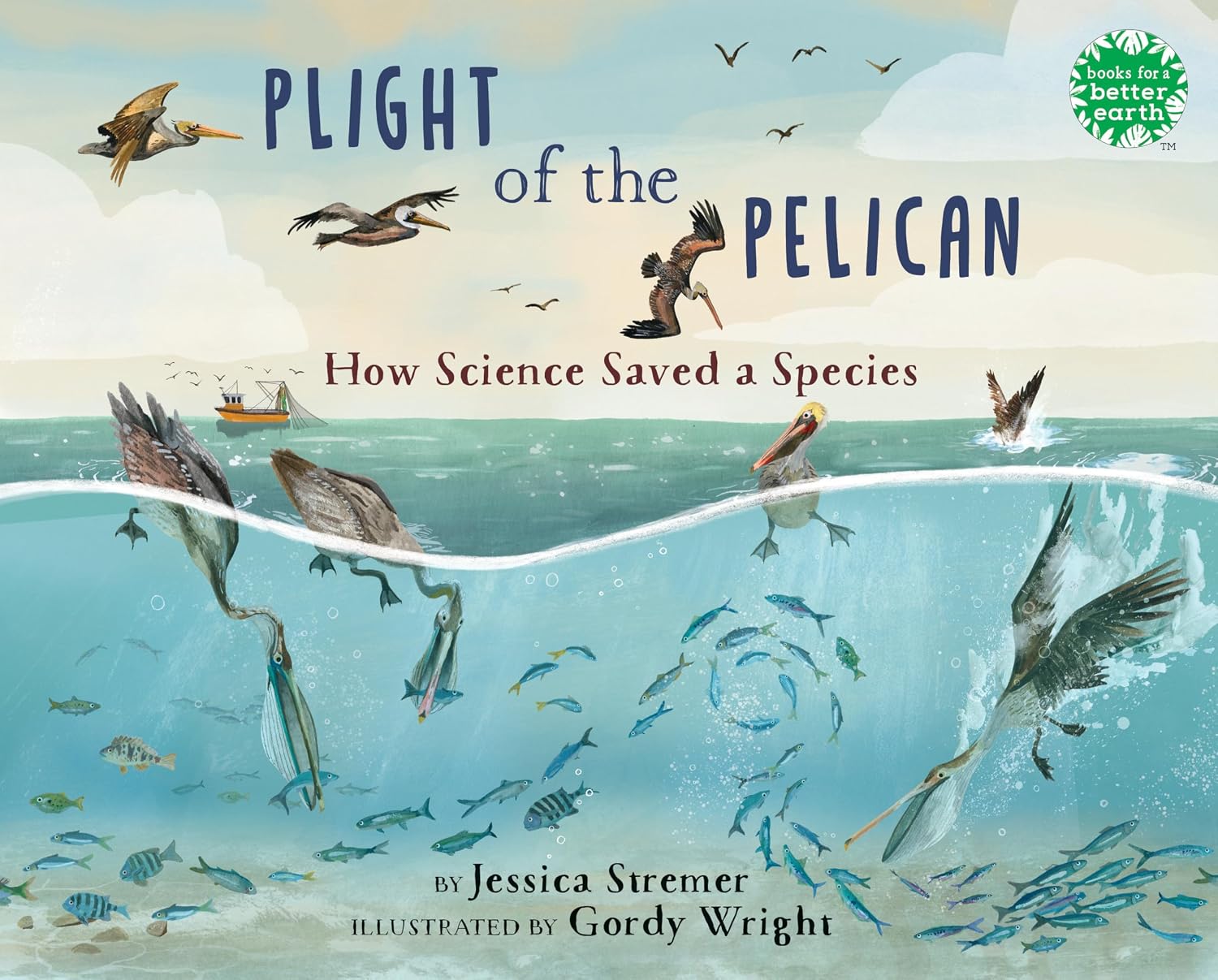
Plight-of-the-Pelican-cover

In my book, Plight of the Pelican: How Science Saved a Species, I knew I wanted to write about pelicans. I also knew I needed to take a different approach to make my book stand out from other books about birds. Through research I learned pelicans were once at risk of becoming extinct. I updated my plan to focus the story on how scientists discovered DDT was causing harm to pelicans and other types of birds.

Do

Next, it’s time to write an initial draft. Staring at blank page may feel daunting to some, and exciting to others. The only way to get through it is to do the work and write!

Check

After I’m happy with my story I send it to critique partners for feedback. They’ll let me know how they feel about pacing and word choice. Did they connect to the story in some way? Did they feel satisfied with the ending? Checking in with others is a great way to see your story in a new light.

Act

After getting feedback it’s time to act – (aka revise). For Plight of the Pelicans, I was lucky to receive a very helpful critique from an editor. The revisions made the story stronger and in the end the editor offered to turn it into a book.

The best part of Plan-Do-Check-Act is that there is no limit to the number of times you can go through the cycle.

Classroom activity

Plan

Have your students decide what they are going to write. This may be fiction or nonfiction, poetry or prose. Next have them create an outline of key information they want to include in their writing. As students brainstorm and create their plan, encourage them to think about what they want others to feel when they read the story. What verbs and adjectives can they use to help encourage those feelings and emotions? Note: Word banks come in handy here.

    Do

    Write. Have students refer to their outline if they get stuck, and to pull in words from their word bank. Remind students that the first draft is never perfect.

    Check

    Have students share their writing with 2 to 3 classmates. Classmates should then provide feedback about the story. What emotions did they experience while reading the story? What verbs and adjectives stood out to help them feel the way they did?

    Note: The sandwich feedback model (positive, improvement, positive) can be used to share both positive and helpful feedback. For example, a student could say they thought the story was funny. Maybe if they added another silly moment the story will be even funnier. They also liked the character’s name.

    Act

    The writer reviews their classmates’ feedback. Remind students they don’t have to make every change someone suggests. Instruct students to make a list of revisions they’d like to make. Then, it’s time to revise and polish the story. This is also a good time to check for punctuation and spelling mistakes.

    Featured image credit: Image by vgnk from Pixabay


    Jessica-Stremer-headshot

    Jessica Stremer is an award-winning children’s author who combines her love of science and writing to create books that inspire kids to explore and think critically about the world around them. Her books have received multiple starred reviews and have been designated as SLJ Gold Selections, Cook Prize Silver Medal recipient, NYPL Best Book of the Year, and NSTA Outstanding Science Trade Book. Jessica obtained a B.S. in Biology, with an emphasis in Ecology, from the University of Wisconsin Oshkosh. When not writing you can find Jessica cheering from the sideline of her kids’ soccer games, spending time outdoors, and planning her next family adventure. Website: www.jessicastremer.com

    Click for more LITLINKS STEM + Literacy activities

    Tags: STEM+LiteracySTEM+Literacy Natural Science
    No comments
    Share
    0

    You also might be interested in

    Egret and Hippo - 23391404342_3000fae007_b

    LitLinks: Easy STEM + ELA tasks about symbiotic relationships

    Sep 29, 2021

    S&S/Beach Lane Books, Sept. 2021 Starred review in School Library[...]

    Girl Doing Math - 4415231879_d7f272a90b_b

    LitLinks: The 6 most popular MATH + ELA activities

    Sep 28, 2022

    When I taught remedial mathematics to students in grades eight[...]

    Dr-Davison-with-snail-on-face

    LitLinks: An easy way to practice science communication skills

    Feb 26, 2025

    Why do we need science communication? The most amazing scientific[...]

    Leave a reply

    Your email is safe with me.
    Cancel reply

    Click the logo to have LitLinks delivered to your inbox

    LitLinks Logo-2022

    Author Visits

    https://youtu.be/oEZiUVKmt2k
    https://youtu.be/ziN0UrqaDYI

    Earth Day Every Day Newsletter Archive

    Earth-Day-Every-Day-newsletter-banner

    Post Categories:

    Blog Archive

    Top Posts

    LitLinks: How to share our ocean connections with kids and teens

    LitLinks: Let’s learn to decode photos in STEM nonfiction

    LitLinks: How Elephants Can Make Your Sound Unit ROAR!

    LitLinks: Easy ways to build students’ science communication skills

    Proof that science connects kids to the larger world

    Recent Comments

    • Cynthia Argentine on LitLinks: 3 easy sustainable food activities for the classroom Great post, activities, and book concept!
    • Patricia Newman on LitLinks: 3 easy sustainable food activities for the classroom Thank YOU, Kari!
    • Kari Ann Gonzalez on LitLinks: 3 easy sustainable food activities for the classroom Thank you so much for having me on your blog,…
    Empowering young readers to act

    Latest Blog Posts

    • LitLinks: How to teach writing revision with plan-do-check-act
    • LitLinks: How to build a toy accessibility ramp
    • LitLinks: Think Like Scientists: STEM + ELA with Children’s Books

    Connect with me on social media

    Action Shots

    Check out the STEM Tuesday Blog

    © 2026 — Patricia Newman

    • Home
    • Books
      • Beatrice and the Nightingale
      • Sharks Unhooked: The Adventures of Cristina Zenato, Underwater Ranger
      • Giant Rays of Hope: Protecting Manta Rays to Safeguard the Sea
      • A River’s Gifts: The Mighty Elwha River Reborn
      • Planet Ocean
      • Eavesdropping on Elephants
      • Neema’s Reason To Smile
      • Zoo Scientists to the Rescue
      • Sea Otter Heroes: The Predators That Saved an Ecosystem
      • Plastic, Ahoy! Investigating the Great Pacific Garbage Patch
      • Ebola: Fears and Facts
      • Jingle the Brass
      • Nugget on the Flight Deck
      • Surviving Animal Attacks
      • Elite Operations series
      • Energy Lab series
      • QuickReads Fluency Library
      • Books for English language-learners
      • Writers write all kinds of things
    • Author Visit Programs
      • FAQs
      • Calendar
    • Blog
    • Educator Resources
      • Teach the Hope
      • Earth Day Every Day newsletter archive
      • Teacher Guides
      • STEM + Literacy Activities
      • LitLinks
      • KidLit creators who make kids want to read
    • Writer Resources
      • Writing Classes
      • Manuscript or Proposal Critiques
      • How I got my start
    • Who is Patricia Newman?
    • Contact
      • Stay In Touch
      • Earth Day Every Day newsletter archive
    Prev