

• Home
  • Books
    • Beatrice and the Nightingale
    • Sharks Unhooked: The Adventures of Cristina Zenato, Underwater Ranger
    • Giant Rays of Hope: Protecting Manta Rays to Safeguard the Sea
    • A River’s Gifts: The Mighty Elwha River Reborn
    • Planet Ocean
    • Eavesdropping on Elephants
    • Neema’s Reason To Smile
    • Zoo Scientists to the Rescue
    • Sea Otter Heroes: The Predators That Saved an Ecosystem
    • Plastic, Ahoy! Investigating the Great Pacific Garbage Patch
    • Ebola: Fears and Facts
    • Jingle the Brass
    • Nugget on the Flight Deck
    • Surviving Animal Attacks
    • Elite Operations series
    • Energy Lab series
    • QuickReads Fluency Library
    • Books for English language-learners
    • Writers write all kinds of things
  • Author Visit Programs
    • FAQs
    • Calendar
  • Blog
  • Educator Resources
    • Teach the Hope
    • Earth Day Every Day newsletter archive
    • Teacher Guides
    • STEM + Literacy Activities
    • LitLinks
    • KidLit creators who make kids want to read
  • Writer Resources
    • Writing Classes
    • Manuscript or Proposal Critiques
    • How I got my start
  • Who is Patricia Newman?
  • Contact
    • Stay In Touch
    • Earth Day Every Day newsletter archive
Patricia NewmanPatricia Newman
Sibert Honor Children's Book Author & Environmentalist
  • Home
  • Books
    • Beatrice and the Nightingale
    • Sharks Unhooked: The Adventures of Cristina Zenato, Underwater Ranger
    • Giant Rays of Hope: Protecting Manta Rays to Safeguard the Sea
    • A River’s Gifts: The Mighty Elwha River Reborn
    • Planet Ocean
    • Eavesdropping on Elephants
    • Neema’s Reason To Smile
    • Zoo Scientists to the Rescue
    • Sea Otter Heroes: The Predators That Saved an Ecosystem
    • Plastic, Ahoy! Investigating the Great Pacific Garbage Patch
    • Ebola: Fears and Facts
    • Jingle the Brass
    • Nugget on the Flight Deck
    • Surviving Animal Attacks
    • Elite Operations series
    • Energy Lab series
    • QuickReads Fluency Library
    • Books for English language-learners
    • Writers write all kinds of things
  • Author Visit Programs
    • FAQs
    • Calendar
  • Blog
  • Educator Resources
    • Teach the Hope
    • Earth Day Every Day newsletter archive
    • Teacher Guides
    • STEM + Literacy Activities
    • LitLinks
    • KidLit creators who make kids want to read
  • Writer Resources
    • Writing Classes
    • Manuscript or Proposal Critiques
    • How I got my start
  • Who is Patricia Newman?
  • Contact
    • Stay In Touch
    • Earth Day Every Day newsletter archive
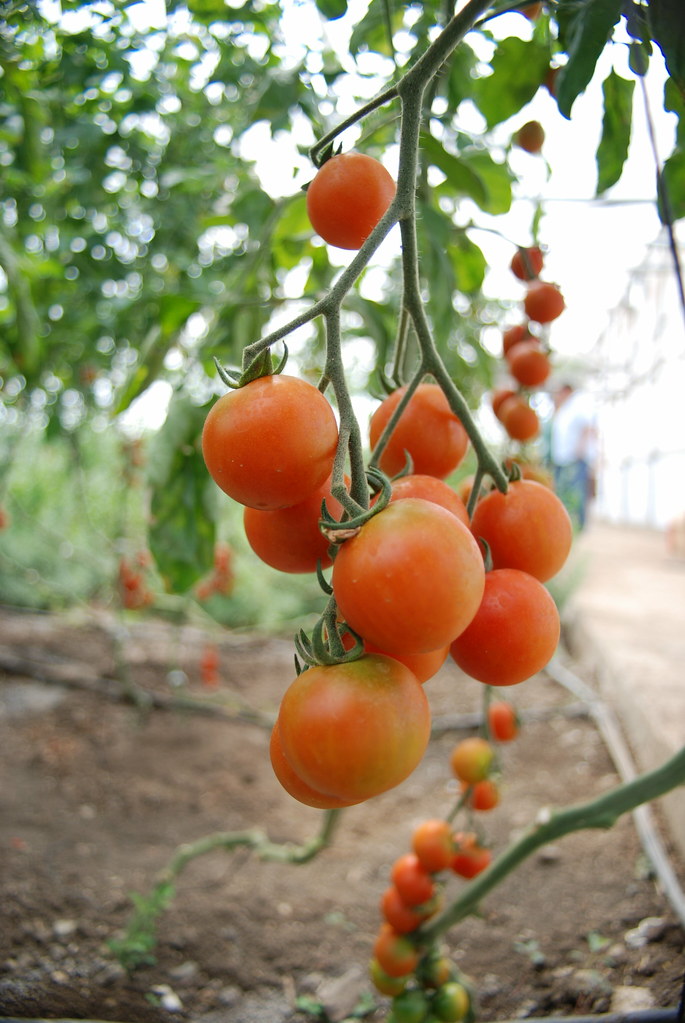
“Organic-Farming,-Kampia-Cyprus”-by-George-M.-Groutas-is-licensed-under-CC-BY-2.0.

LitLinks: 3 easy sustainable food activities for the classroom

October 7, 2026 LitLinks, LitLinks-Grade 3-5, LitLinks-Grade K-2 No Comments
LitLinks Logo-2022

GUEST BLOGGER KARI ANN GONZALEZ
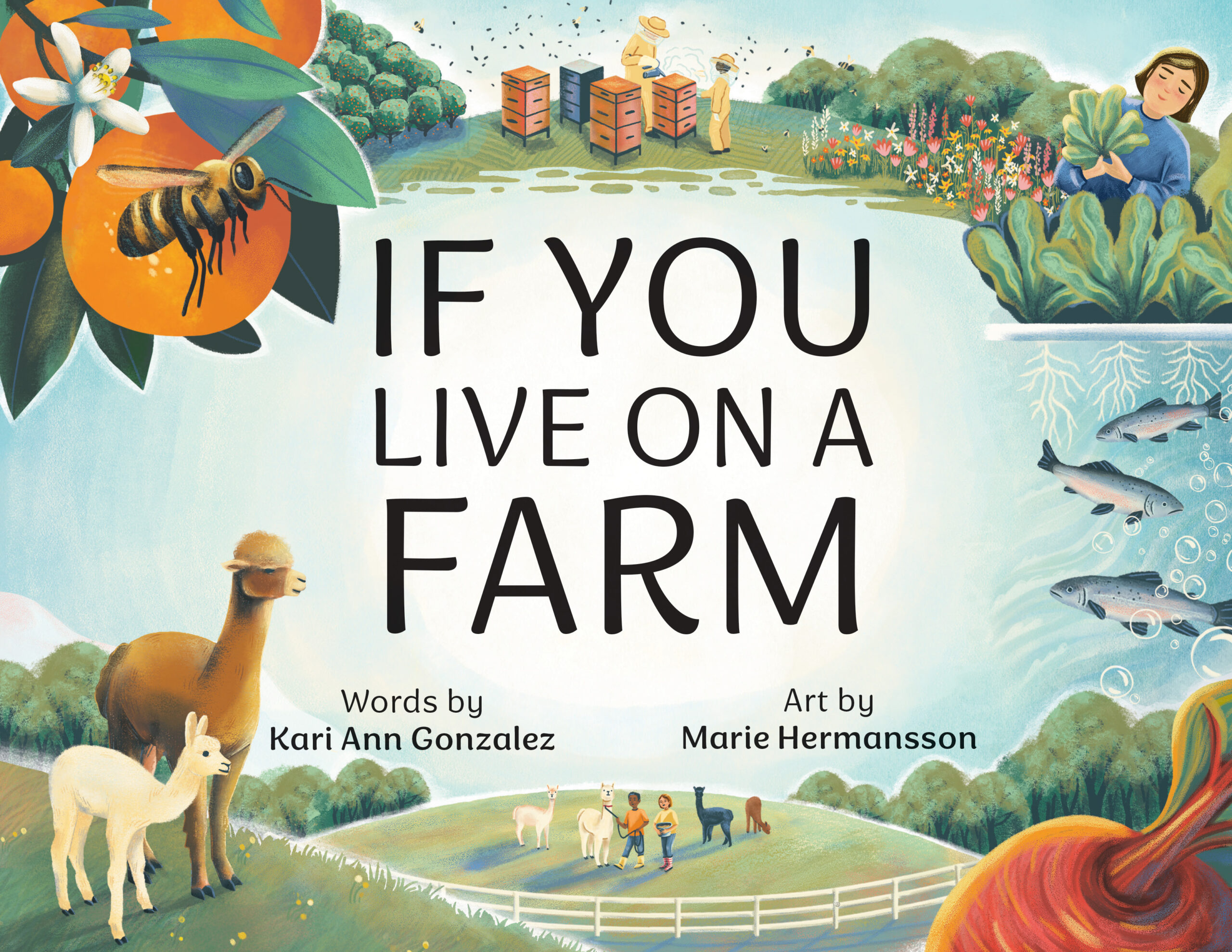

If-You-Live-On-a-Farm-cover

Modern agriculture is far more than a dairy cow and big red barn and a tractor often depicted in books. Agriculture is a diverse, eclectic tapestry of innovative practices, and dedicated people who create sustainable food systems.

Variety of farms

If You Live On A Farm is a lyrical exploration of the magic and mystery of modern agriculture and life on a farm by exploring lesser known farms to appreciate the true breadth of modern agriculture. After learning about farms full of flowers and fungi, fish and alpacas, solar panels and windmills, and even Christmas trees, further the connections with the activities below. The journey of commodities and our food connects us all, and we can bring that cycle directly onto the classroom windowsill.

3 activities to try

Through a farm-to-fork sequencing layout, students see the intentional steps of food production; through hands-on kitchen-scrap regrowing with celery, green onions, and romaine, they witness the resilient, regenerative power of plants firsthand; and through composting, they discover how nature recycles its resources back into the earth. Together, these activities move students beyond a simplified view of farming, fostering a scientifically accurate and deeply celebratory understanding of agriculture and sustainable food systems.

Farm-to-fork sequencing activity

Materials needed
  • Tangerine Life Cycle Activity
  • Tangerine Farm-to-Fork Sequencing Activity
  • Scissors
  • Glue

Ask students to cut and sequence the pictures in the correct order to show the life cycle of a tangerine. Then, ask students to cut and sequence the pictures in the Tangerine Farm-to-Fork Sequencing Activity to show students how tangerines get from the farm to the table.

 Group discussion questions
  • If you were going to be a farmer, what would you produce?
  • What would you need to be successful?
  • What could be a roadblock to success?
  • How would you overcome a roadblock?

Re-grow kitchen scraps

Ask students if all new growth must start from a seed. Discuss their hypothesis as a group. Conduct a group experiment by re-growing kitchen scraps. To prove or disprove their theories.

Materials
  • Celery, green onion, or romaine lettuce root with at least two inches of growth above the root.
  • Water
  • Soil
  • Sun
What to do

Have students submerge the root of the plant in a shallow container of room temperature water and place it in an area with lots of sunlight. Check it every day to make sure the plant has water covering the root and that the plant sits in the sunlight.

When new life starts to grow at the top of the plant, students can replant the root in a pot of soil or in the ground. When ready, have students trim the new growth from the plant to taste it. Congratulations! The class started a garden and reduced kitchen waste.

 Bonus activity: Composting

Do you have more kitchen scraps to spare? Have students start composting! Compost is made of green and brown organic matter such as fruit and vegetable scraps (such as peels, seeds, and stems, etc.) and yard trimmings that have broken down into soil consistency over time. The more diverse the additions to your compost, the more nutrient-rich your compost will become, which plants love!

What to compost
  • Greens: Fruit and vegetable waste, grass clippings, eggshells, coffee grounds, and loose tea.
  • Browns: Yard trimmings, twigs, and dead leaves.
Materials
  • Compost materials—two cups (equal parts) of brown and green materials (see above)
  • Spray bottle of water
  • Sunlight
  • Rinsed and empty two-liter soda bottle (clear)
  • Tray to catch excess water
  • Hand towel or rag
  • Scissors
 What to do

Cut two inches off the top of the empty two-liter soda bottle near the lid and with the scissors poke a few holes in the bottom of the soda bottle. This will hold your compost and allow any excess water to drain. Have a student place the soda bottle in the tray. Have students add two cups of mixed brown and green materials. Then, use the spray bottle of water to moisten the mixture until the material is damp but not wet, and drape the towel over the opening to prevent fruit flies. Leave your compost container in the sunlight and note how it changes over time. Every few days, have a student use a large spoon to mix the compost by pulling the material from the bottom to the top and spritzing with more water to make it damp. Mixing your compost will help it break down and over several weeks it will begin to look like soil. Once your compost breaks down and looks like soil, it is ready to be used.

Well done! Students have made nutrient-rich compost. Now, have students sprinkle a few spoonfuls of compost at the base of their re-grown plants, and watch them thrive.

Featured image credit: “Organic Farming, Kampia Cyprus” by George M. Groutas is licensed under CC BY 2.0.
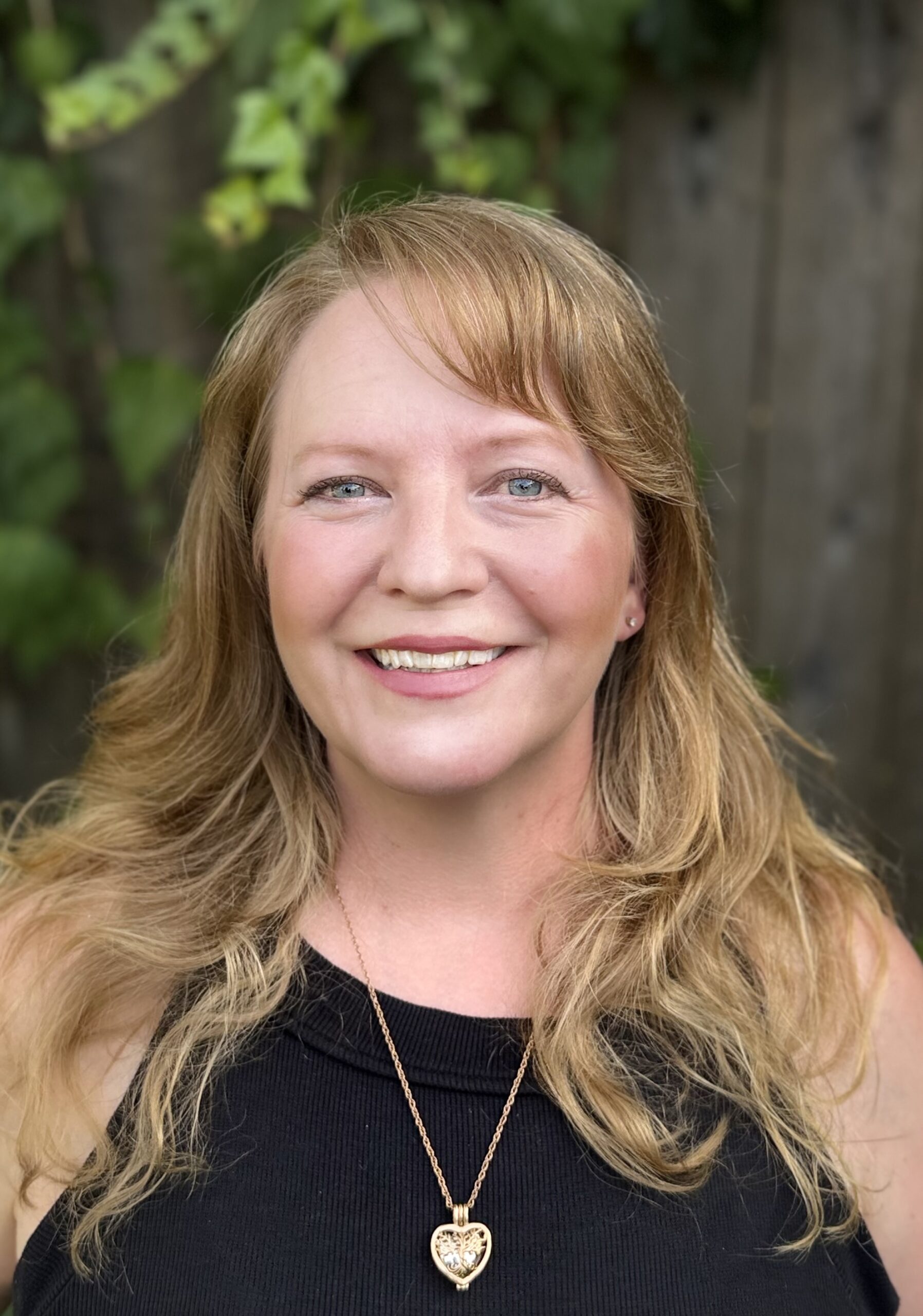

Kari-Ann-Gonzalez-headshot

Kari Ann Gonzalez is a children’s writer who loves tending to my tiny hobby farm and stuffing my little free library full of books. Her debut picture book HOW TO HATCH A READER won the Northern Lights Picture Book award for humor, while HOW TO HATCH A WRITER has been named Hot Off The Press by CBC, and Reviewer’s Choice on Midwest Book Review’s Children’s Bookwatch. She is excited to share her newly released titles, GOAT MAA-TH: An ADDITION STORY and IF YOU LIVE ON A FARM. A flock of plucky chickens are kind enough to share their home with Kari, her husband, and their two little girls. For more information, please visit Kari’s website at: www.karianngonzalez.com or her Instagram at: kari_gonzalez_writes



Click for more LITLINKS STEM + Literacy activities

Tags: STEM+LiteracySTEM+Literacy Natural Science
No Comments
Share
0

You also might be interested in

koala-wildlife

LitLinks: Engage kids by tapping into their love of wildlife

Jul 24, 2024

BY PATRICIA NEWMAN Kids and wildlife go together like milk[...]

ELP-image-for-LitLinks

LitLinks: 3 easy animal lessons to excite kids about nature

Jul 12, 2023

PATRICIA NEWMAN I love animals. I’ve written several books about[...]

"Humpback-Whale"-by-Christopher.Michel-is-licensed-under-CC-BY-2.0.

LitLinks: 6 easy ways to study water pollution in your classroom

Jun 10, 2026

GUEST BLOGGER NANCY CASTALDO What happens when people come together[...]

Leave a Reply

Your email is safe with me.
Cancel Reply

Click the logo to have LitLinks delivered to your inbox

LitLinks Logo-2022

Author Visits

https://youtu.be/oEZiUVKmt2k
https://youtu.be/ziN0UrqaDYI

Earth Day Every Day Newsletter Archive

Earth-Day-Every-Day-newsletter-banner

Post Categories:

Blog Archive

Top Posts

LitLinks: How to share our ocean connections with kids and teens

LitLinks: Let’s learn to decode photos in STEM nonfiction

LitLinks: How Elephants Can Make Your Sound Unit ROAR!

LitLinks: Easy ways to build students’ science communication skills

Proof that science connects kids to the larger world

Recent Comments

  • Cynthia Argentine on LitLinks: 5 simple steps for comparing birdsong with instrumental music Wonderful integration of music and science and nature! I'm a…
  • Cynthia Argentine on LitLinks: How to observe like a scientist and write like a poet Great observations of the links between science and poetry!
  • Margaret Quinlin on LitLinks: Exploring time and sequence in nature and narrative What a creative exercise for students!
Empowering young readers to act

Latest Blog Posts

  • LitLinks: 3 easy sustainable food activities for the classroom
    LitLinks: 3 easy sustainable food activities for the classroom
  • LitLinks: Help students write well. The magic is in the details.
    LitLinks: Help students write well. The magic is in the details.
  • LitLinks: Cause and effect loops – a new look at an old concept
    LitLinks: Cause and effect loops – a new look at an old concept

Connect with me on social media

Action Shots

Check out the STEM Tuesday Blog

© 2026 — Patricia Newman

  • Home
  • Books
    • Beatrice and the Nightingale
    • Sharks Unhooked: The Adventures of Cristina Zenato, Underwater Ranger
    • Giant Rays of Hope: Protecting Manta Rays to Safeguard the Sea
    • A River’s Gifts: The Mighty Elwha River Reborn
    • Planet Ocean
    • Eavesdropping on Elephants
    • Neema’s Reason To Smile
    • Zoo Scientists to the Rescue
    • Sea Otter Heroes: The Predators That Saved an Ecosystem
    • Plastic, Ahoy! Investigating the Great Pacific Garbage Patch
    • Ebola: Fears and Facts
    • Jingle the Brass
    • Nugget on the Flight Deck
    • Surviving Animal Attacks
    • Elite Operations series
    • Energy Lab series
    • QuickReads Fluency Library
    • Books for English language-learners
    • Writers write all kinds of things
  • Author Visit Programs
    • FAQs
    • Calendar
  • Blog
  • Educator Resources
    • Teach the Hope
    • Earth Day Every Day newsletter archive
    • Teacher Guides
    • STEM + Literacy Activities
    • LitLinks
    • KidLit creators who make kids want to read
  • Writer Resources
    • Writing Classes
    • Manuscript or Proposal Critiques
    • How I got my start
  • Who is Patricia Newman?
  • Contact
    • Stay In Touch
    • Earth Day Every Day newsletter archive
Prev