

GUEST BLOGGER LAURA PERDEW
The goal of this activity is to raise awareness among students and, in turn, have them spread the word in a class museum about the essential roles the ocean plays on Earth and to inspire ocean conservation. In the words of Jane Goodall,
Only if we understand, will we care. Only if we care, will we help. Only if we help, shall all be saved.
What you need to know
The mighty ocean covers 70 percent of the planet. All life on Earth evolved from the ocean. It supports well over 200,000 marine species (with many more yet to be discovered!), regulates climate, feeds billions of people, absorbs massive amounts of carbon dioxide, and sustains life on Earth.
Many people, though, are not aware of how vital the ocean is and how much humans rely on it, even if they don’t live near a coast. And while the ocean is mighty, it is also fragile. Human activity greatly impacts the ocean, which in turn affects the entire planet.
Set-up
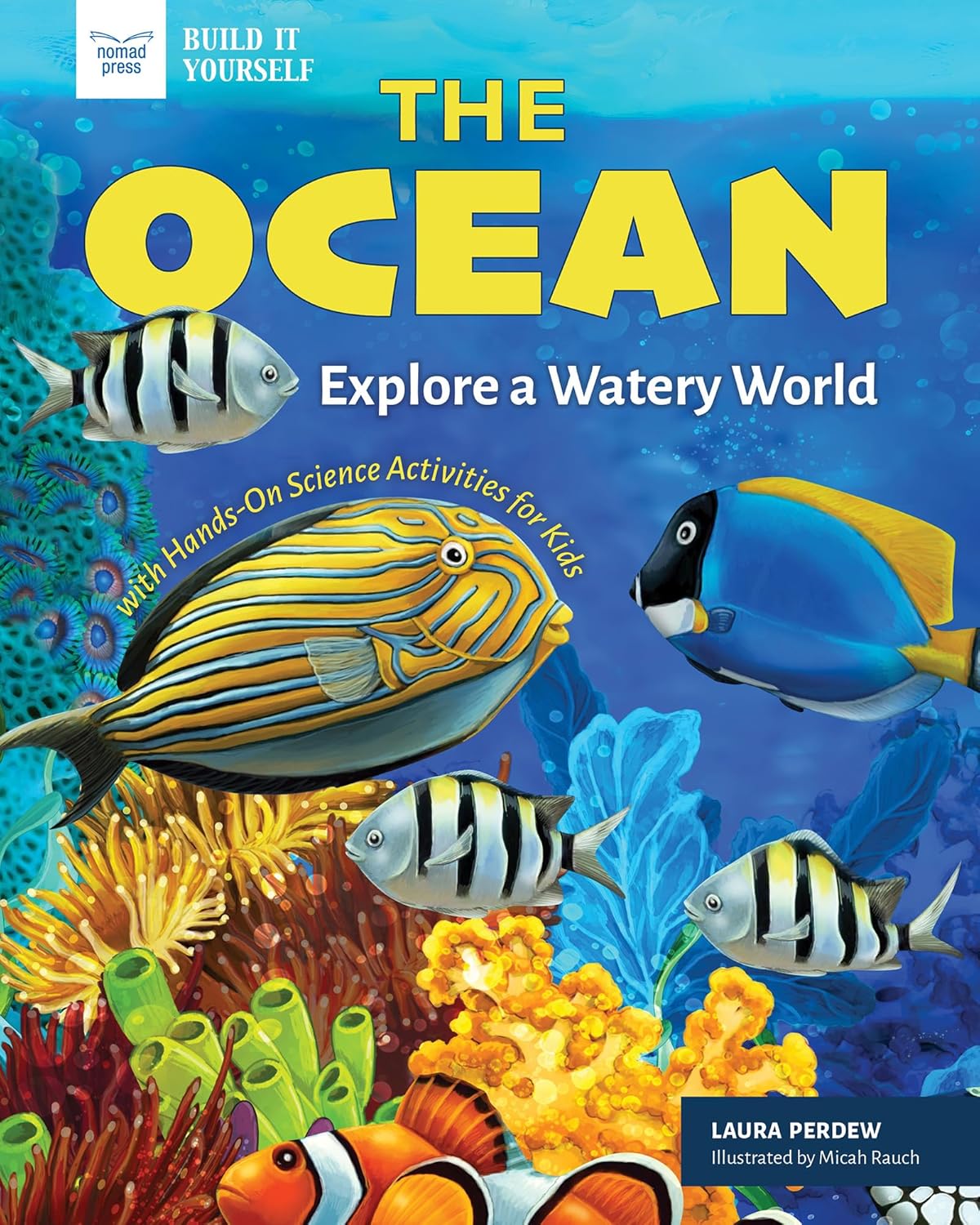
Note that while the book is written for students in late elementary and middle school, this activity can be adapted for both older and younger students.
Read aloud the introduction of THE OCEAN to the class to activate and provide background knowledge. Have students select (or the teacher can assign) one chapter of the book to focus on, ensuring that every chapter has readers. Students can read the chapter on their own, in pairs, or in a group. Additionally, if multiple copies of the book are not available, the teacher can read one chapter aloud to the whole class on separate days.
During reading
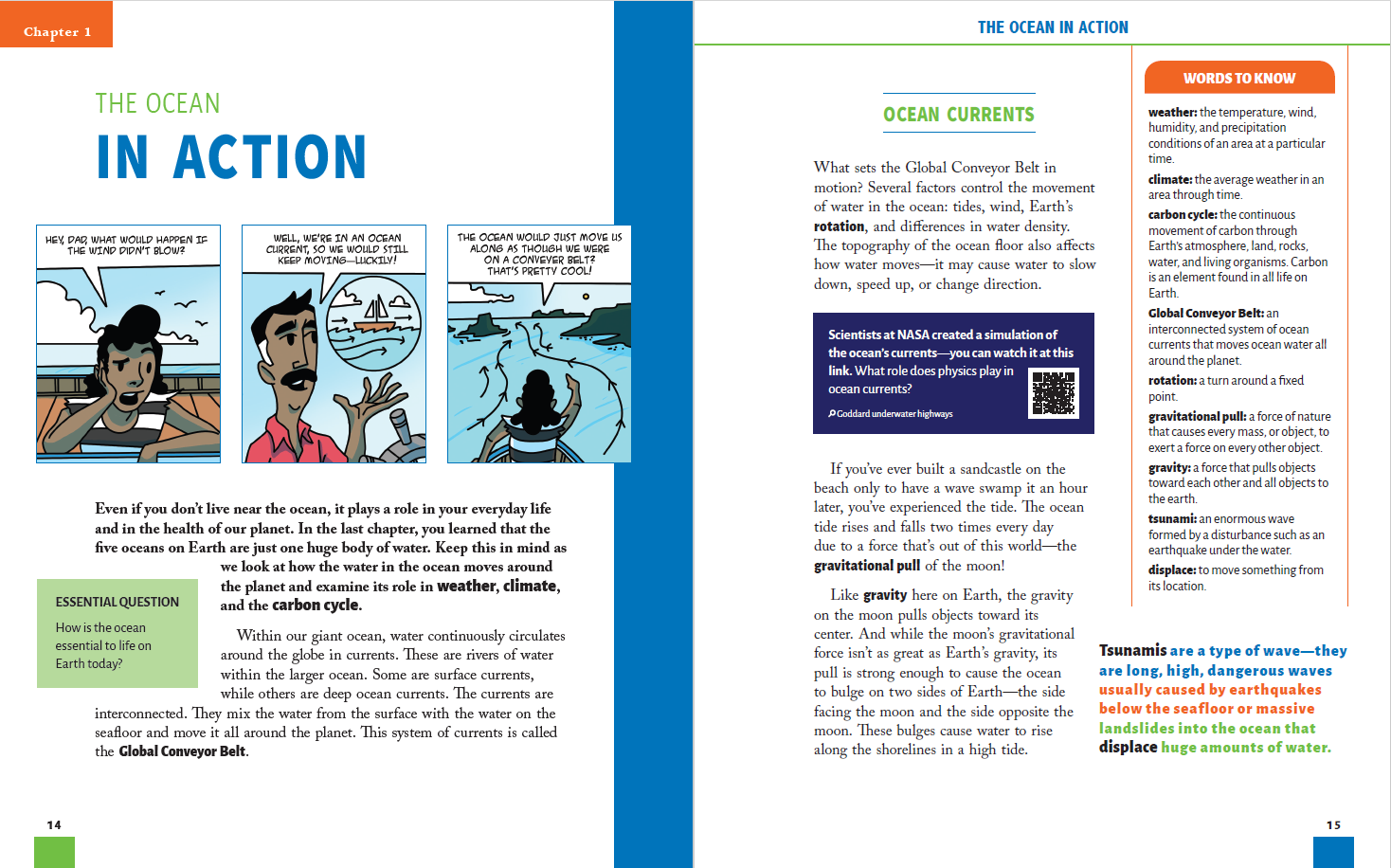
The objective is for students to identify ways that the ocean matters (and for chapter 7, students will identify how we can protect the ocean). Students can use the Essential Question at the beginning of each chapter to guide their reading.
Have students take notes during reading, including:
- Finding answers to the essential question that include details and facts to support their answers
- Recording “I wonder” questions to direct further research
- Noting and defining new vocabulary
After reading
To help students process what they’ve read and deepen their understanding, provide time for writing. Reflection questions may include:
- What did you learn about the ways that the ocean supports the planet (or about ocean conservation)?
- What surprised you?
- Why is it important for people to know this?
Spread the word
Once students have read, reflected, and answered their “I wonder” questions, it’s time for them to share their knowledge in a class museum. Each student (or in pairs or groups) will create a piece for the museum. Like in all museums, there will be a visual (a poster, sculpture, artifact) as well as a written explanation of the piece and additional information. The amount of detail and information required for student pieces will vary, based on the grade level and class considerations.
Show time!
Exhibit the student work in a pop-up museum in the school library, hallway, or around the classroom . Once the museum is open, have the whole class visit. Send them on a scavenger hunt for more information, learning from their classmates’ pieces about the different roles of the ocean discussed in different chapters. This scavenger hunt can be as simple as having students identify 5-10 ways the ocean supports the planet and people (in addition to what they already learned in the chapter they read), or more specific, having students answer each of the essential questions in the book.
To further spread the word, invite other classes to visit the museum. Older students can also be paired with younger students to guide them through the museum. The museum could even be opened to family and friends, with students acting as docents.
Other ideas
Alternative activities for spreading the word include creating an investigative report news broadcast, using student work to create a class website, or creating a podcast.
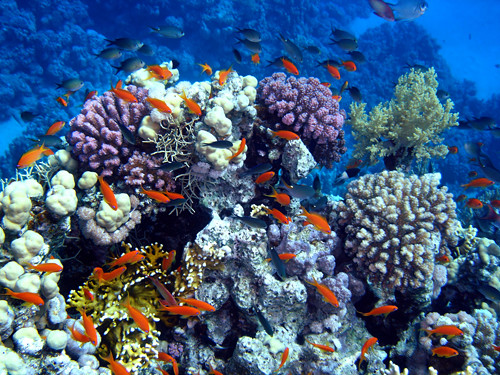
Featured image credit: “Panama Marine Life – Coral Reefs” by thinkpanama is licensed under CC BY-NC 2.0.
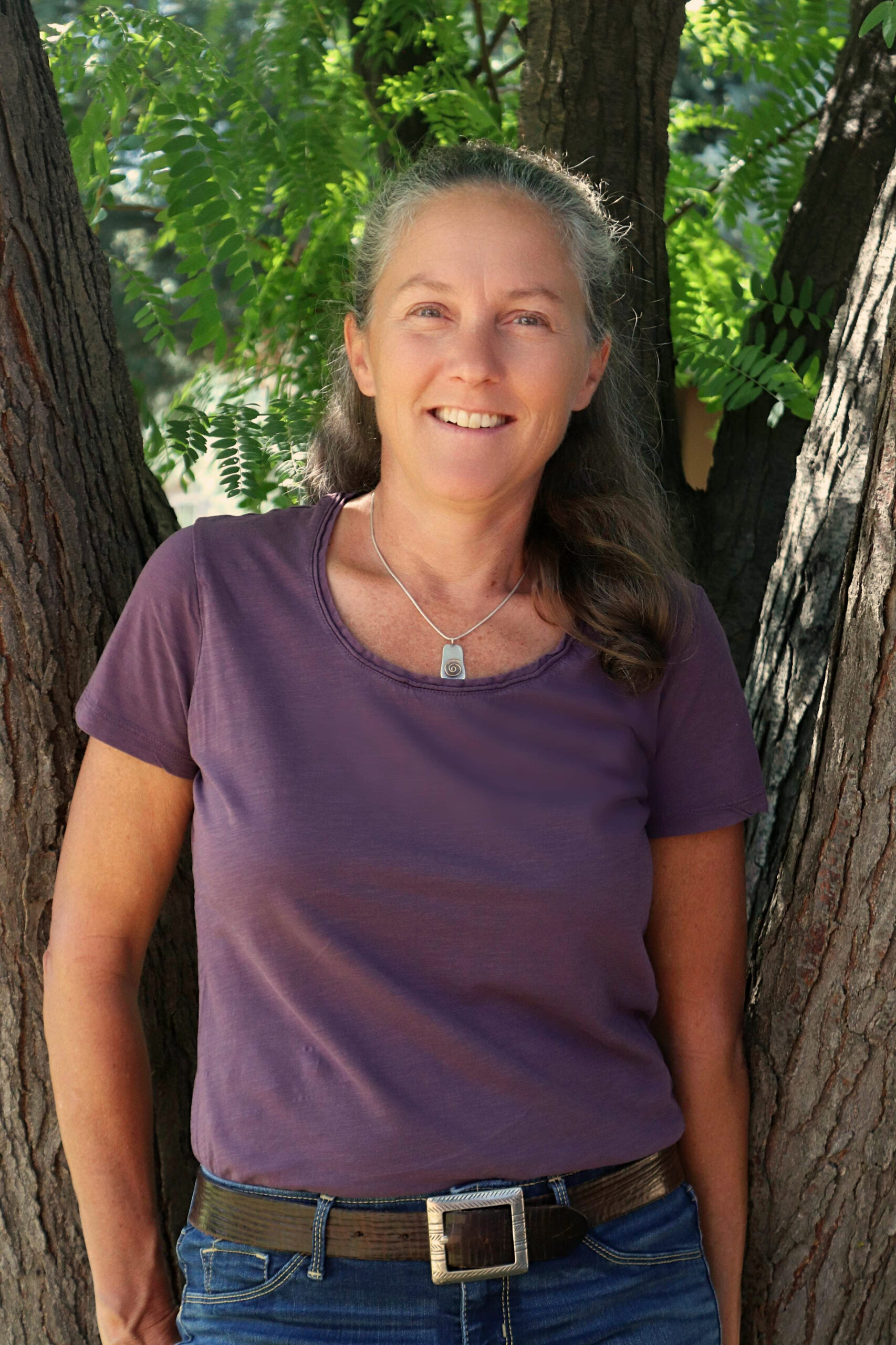
Laura Perdew is a mom, author, writing coach, presenter, and former middle school teacher. Her passion for nature and the environment not only led her to move to Colorado decades ago, but also steered her toward writing for children. She writes both fiction and nonfiction for kids, including dozens of books for the education market. Conservation Success: Protecting Wild Spaces and Species (Nomad Press, 2025), was on the Green Earth Book Award short list in 2026; Keystone Species: Meet the Animals Key to Ecosystem Health and Biodiversity (Nomad Press, 2024), earned a spot on the Green Earth Book Award short list in 2025; and Biodiversity: Explore the Diversity of Life on Earth (Nomad Press, 2019) is on the Booklist editor’s list of the Top 10 Books on the Environment & Sustainability for Youth 2020. She lives, plays, and writes in Boulder, Colorado. www.lauraperdew.com Facebook: @authorLauraPerdew Bluesky: @lmperdew.bsky.social Instagram: @authorlaurap


Leave a Reply
Your email is safe with me.