


GUEST BLOGGER JESSICA FRIES-GAITHER
The practice of using a thesaurus to find synonyms is a common, often lively activity in elementary classrooms. The results—colorful, expressive, and sometimes overexaggerated—reveal an opportunity to help students discern the subtle shades of meaning among words. When situated alongside a nonfiction STEM picture book, the activity allows teachers to address English Language Arts standards while also building science content knowledge.
Set the stage
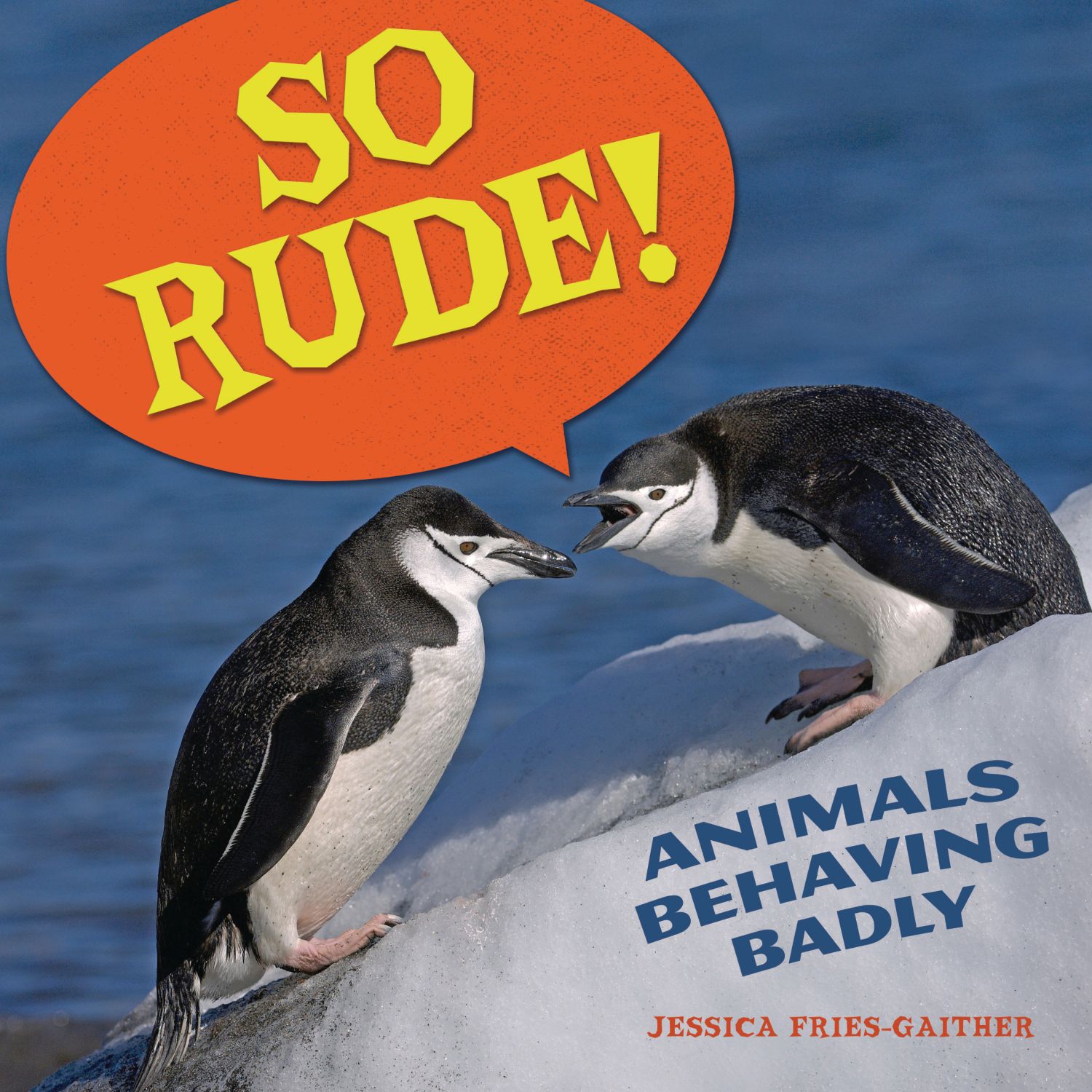
Begin by reading So Rude! Animals Behaving Badly aloud. During this first read, students do not need to listen for anything specific; instead, they should just enjoy the increasingly rude (and gross) examples and the vibrant full-color photographs that accompany the text. Make sure to devote a few minutes after reading for questions, discussion, and reactions.
Brainstorm and investigate synonyms
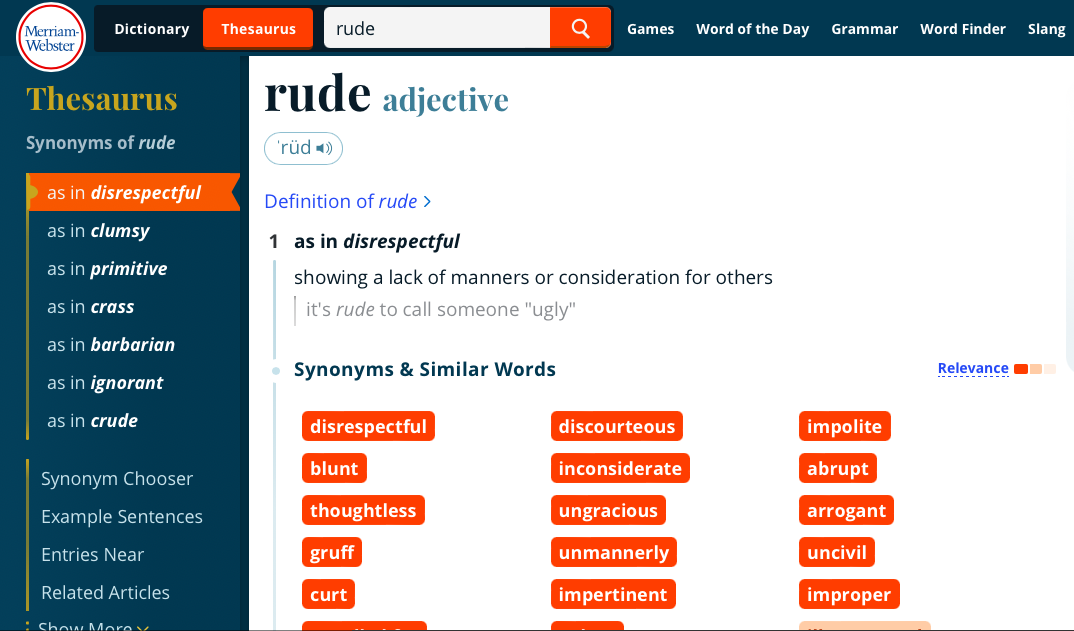
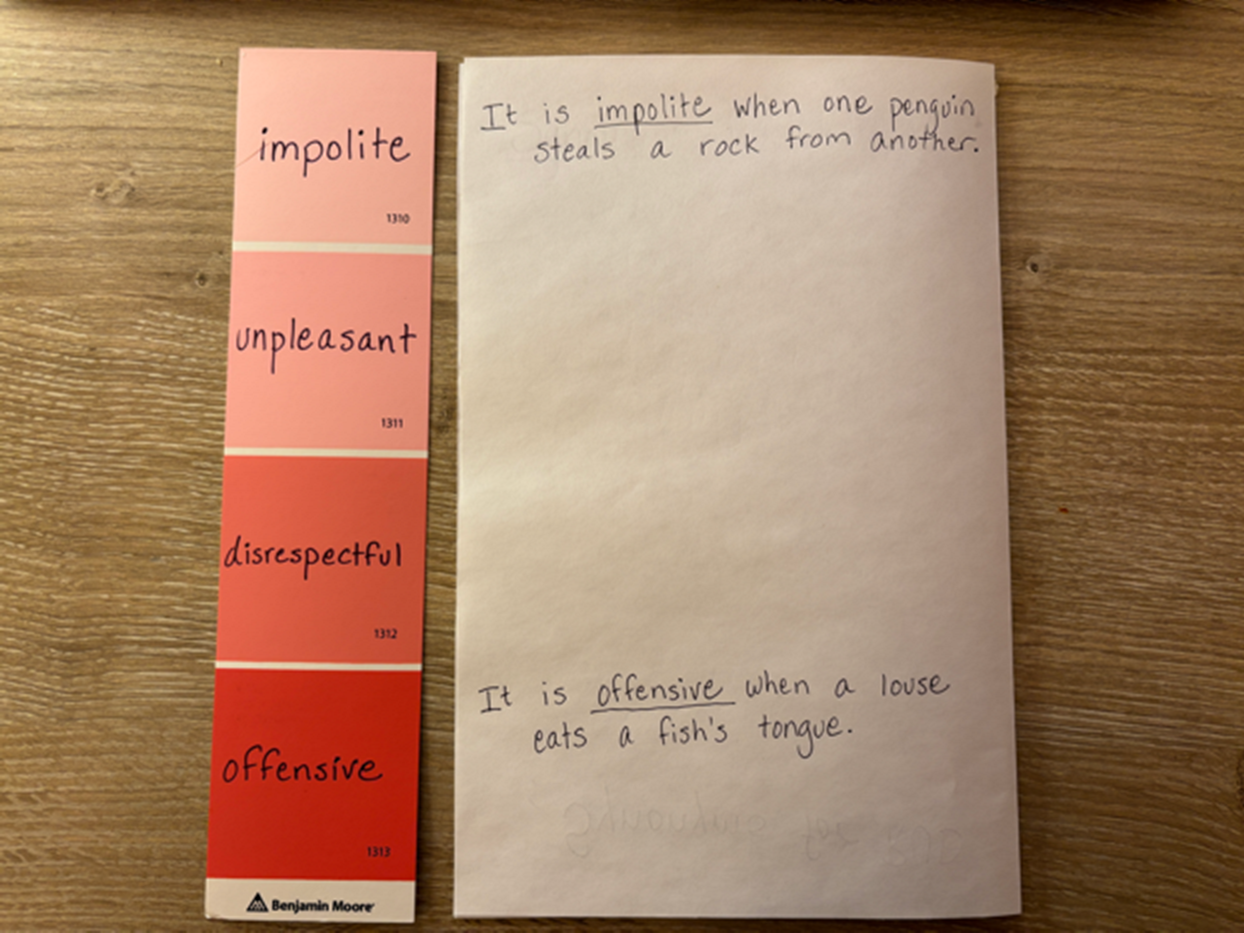
Next, ask students if they know of any synonyms for the word rude. Keep a running list of their ideas on the board or chart paper. Turn to either a physical or an online thesaurus when they have exhausted their ideas. In my own search with Merriam-Webster’s online thesaurus, these were my top results (see featured image).
Compare students’ words to those from the thesaurus, creating a short list of 5-6 synonyms for use in the next part of the activity.
Re-read the short list of synonyms. Ask students if these words all mean exactly the same thing. Next, facilitate a short discussion, listening for the idea that while all the words can be used as a synonym for rude, they don’t all carry the same connotation. For example, an unpleasant action is likely much less severe than an offensive one.
If students are not arriving at your desired conclusion, you might first work with a more accessible example to help them understand the underlying concept. For example, the words upset, angry, furious, and enraged are all synonyms for the word mad, yet each clearly represents a different degree of emotion. Acting out each of the words could be helpful as well.
Once students are able to verbalize that there are slight differences in meaning between the synonyms, it’s time to move on to the next step.
Create a visual representation
Give each student a paint chip with four or five shades of the same color. Note: paint chips can be obtained for free from home repair and paint stores. You can choose to give the entire class the same color chip, or allow students to select from a variety of colors. Just be sure that all the shades are light enough for students to write on them have their words be visible.
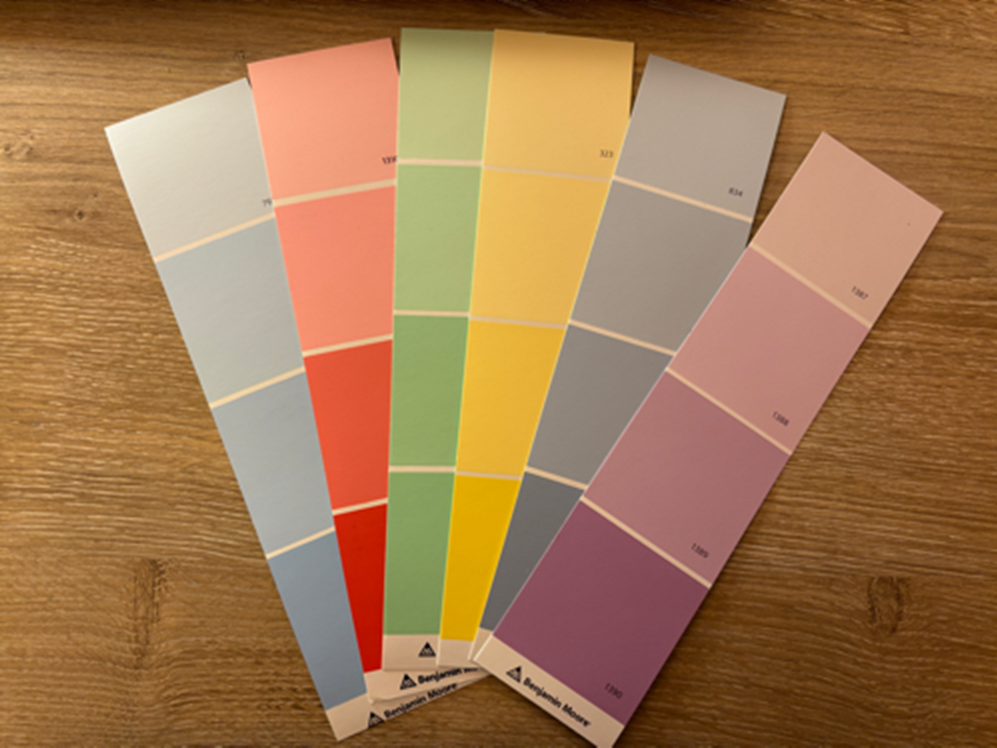
Direct students to select four or five synonyms from your shortlist, depending on how many shades are included on their paint chip. Once students have selected their words, challenge them to rank the words in order from least intense to most intense. Again, it may be helpful to model this using synonyms for mad. You might order the synonyms in this sequence: upset, angry, furious, enraged. Students should then be able to return to the list of synonyms for rude and apply similar thinking.
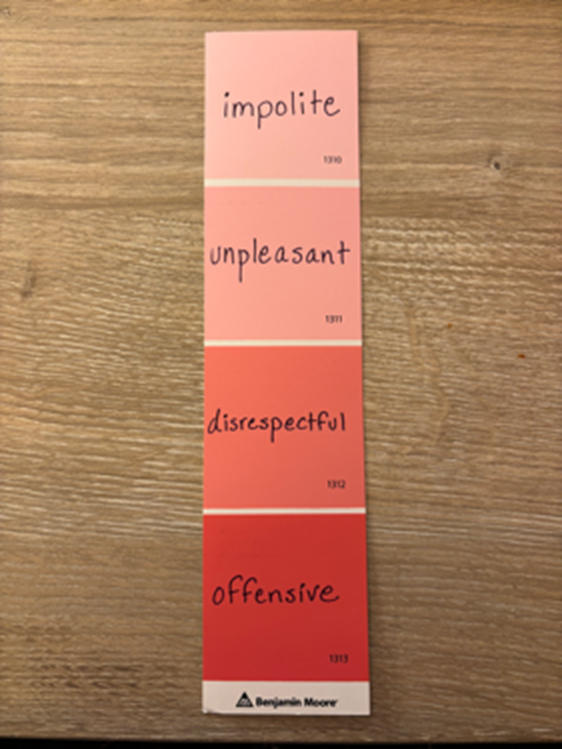
Once students have created their ordered list, direct them to write one synonym on each strip of color. The first word (the least intense) should be written on the lightest shade, and the last word (the most intense) should be written on the darkest shade. Students might need to use a permanent marker to make their synonyms show up clearly.
This visual representation can help students better understand how synonyms can vary in exact meaning. The intensity of the colors reflects the intensity of the words.
Add in some science
Finally, return back to So Rude! Animals Behaving Badly. Re-read the book or invite students to explore the book in pairs or small groups. Students should use their paint chips to identify examples of animal behavior that match with each synonym based on the degree of severity. They can then write sentences about each behavior they selected from the book.
Being able to select precisely the right word at the right time is one of a writer’s greatest tools. Using humorous (and true!) examples from the animal kingdom will help students hone this skill while learning some science (and having some laughs) along the way.
Featured image credit: Jessica Fries-Gaither
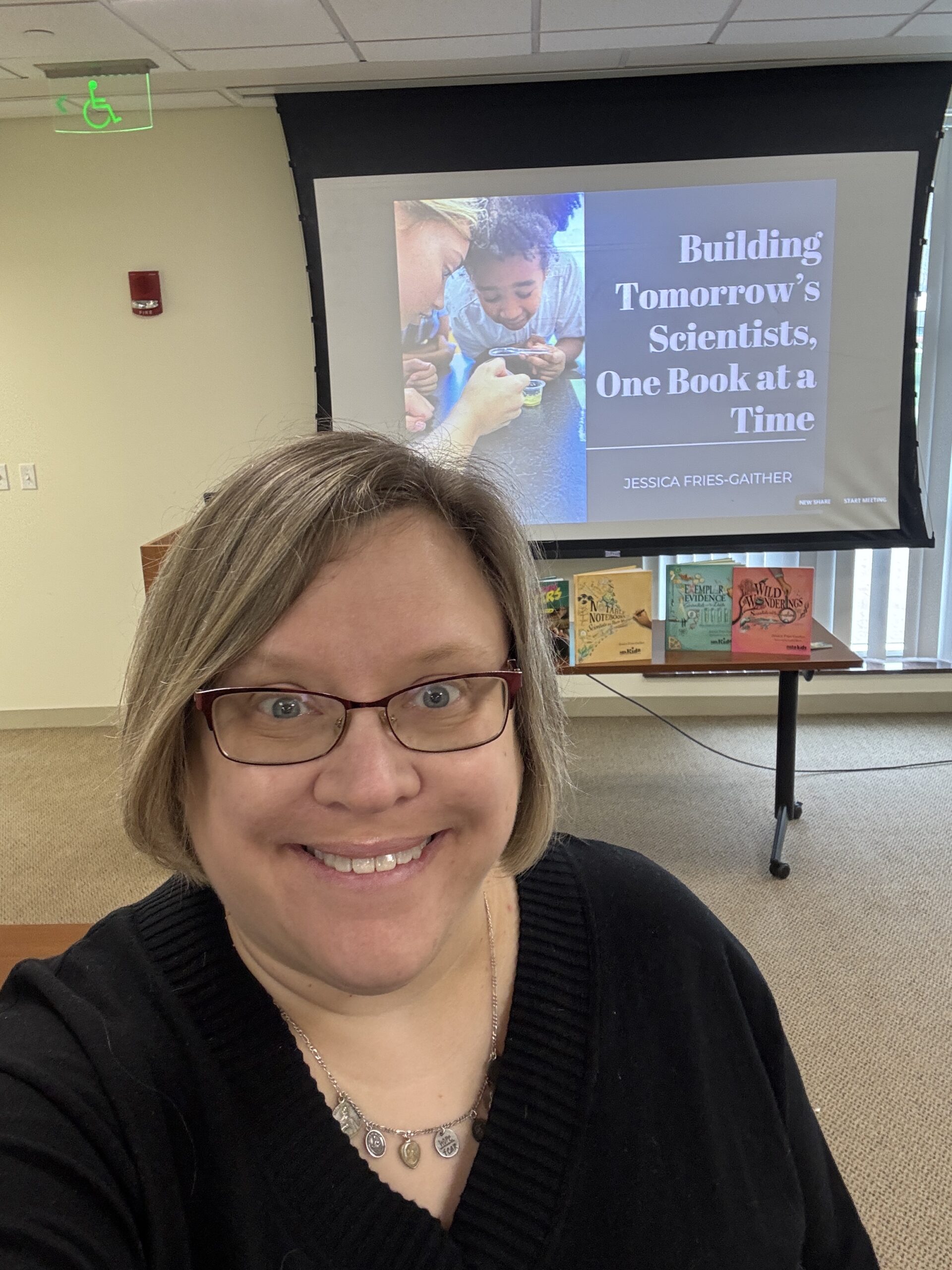
Jessica Fries-Gaither is an award-winning author of books for children and teachers. Her writing introduces readers to the wonder of the natural world and the work of scientists, past and present. She is back in her classroom at Columbus School for Girls in Columbus, OH, where she teaches Lower School (grades 1-5) Science after spending a year as an Albert Einstein Distinguished Educator Fellow at the Library of Congress in Washington, D.C.. Learn more at her website, www.jessicafriesgaither.com. Follow her on Facebook at https://www.facebook.com/jfriesgaither, on Instagram at @JessicaFGWrites, and on Blue Sky at @jessicafgwrites.bsky.social.




Leave a Reply
Your email is safe with me.