


GUEST BLOGGER KATHRYN HULICK
Scientists and engineers use a lot of tricky vocabulary. Learning what these words mean can help students better understand both real life science and science fiction stories. In this activity, students will choose a scientific word or phrase to learn about. Then, they will create a video, reel, or poster about the vocabulary word and present it to their classmates.
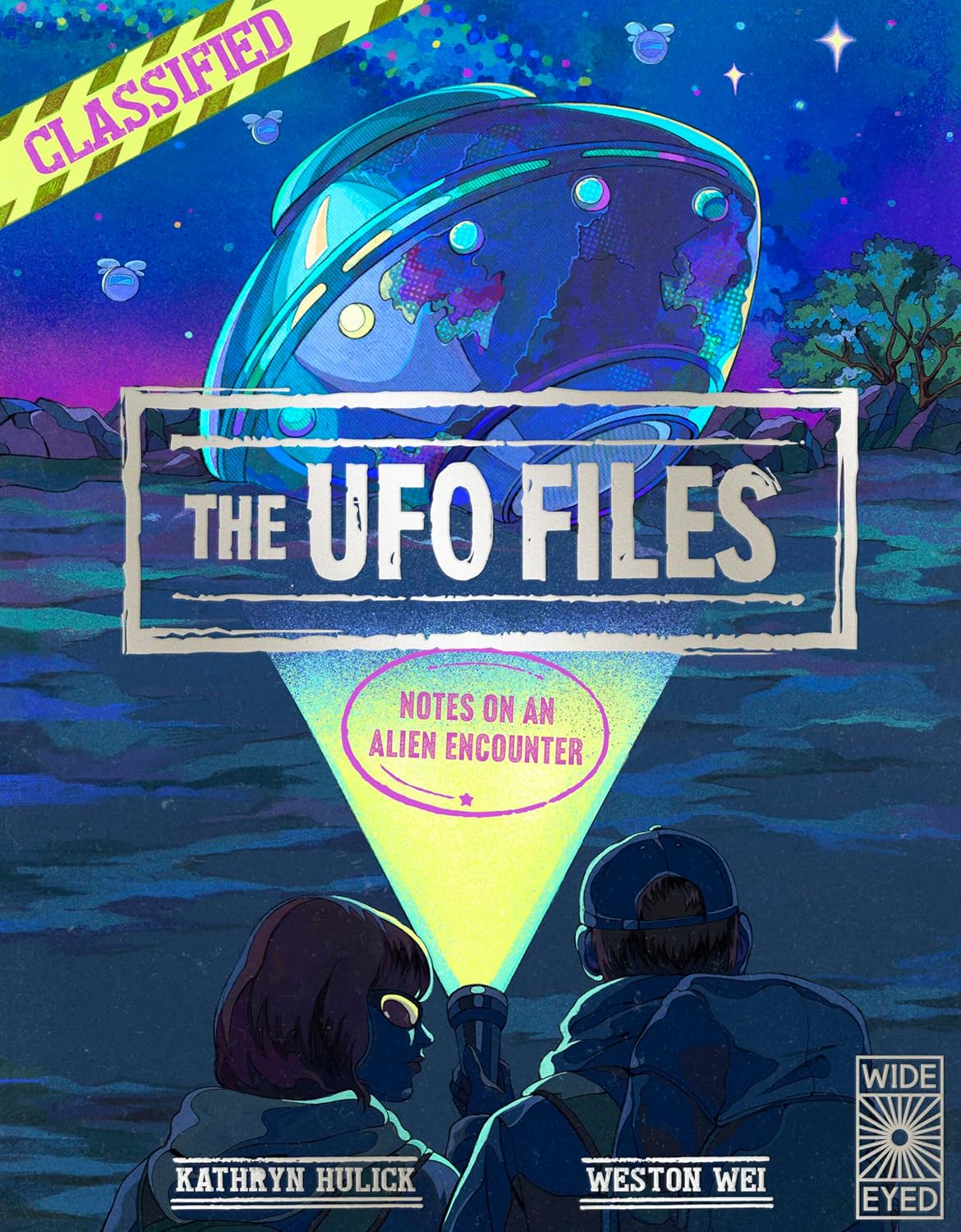
All of the vocabulary below comes from the science fiction book The UFO Files: Notes on an Alien Encounter (Quarto, 2025). This middle grade graphic novel is presented as if you are reading a personal notebook compiled by a UFO investigator known only as Polaris, documenting the arrival of an alien spacecraft on Planet Earth in the year 2033. Piece by piece, readers uncover a thrilling narrative of courage and curiosity during this closest of encounters, while nonfiction sidebars delve into the cutting-edge science and technology that help Polaris understand—and welcome—visitors from a distant star system.
The activity below is just one of four included in a free Educator Guide for THE UFO FILES.
Science vocabulary activity
Preparation
- Introduce the book The UFO Files and discuss how learning scientific vocabulary can help people better understand real science as well as science fiction.
- Have students work alone or in pairs. Assign words from the following list.
- Technosignature (page 8-9)
- Frequency (page 10-11)
- Nanotechnology (page 24-25)
- Xenolinguist (page 36-37)
- Generative adversarial network (page 38-39)
- Infrared (page 40-41)
- Fusion (page 54-55)
- Pulsar (page 64-65)
- Exoplanet (page 68-69)
- Rocket propulsion (page 72-73)
- Cryptobiosis (page 84-85)
- Tardigrades (page 84-85)
- Photosynthesis (page 88-89)
- Bioluminescence (page 90-91)
- Superconducting magnets (page 56-57)
Reading + research
- Students open The UFO Files to the page numbers indicated and find all instances of their vocabulary term.
- Using context clues on the page, students write down what they think their term means.
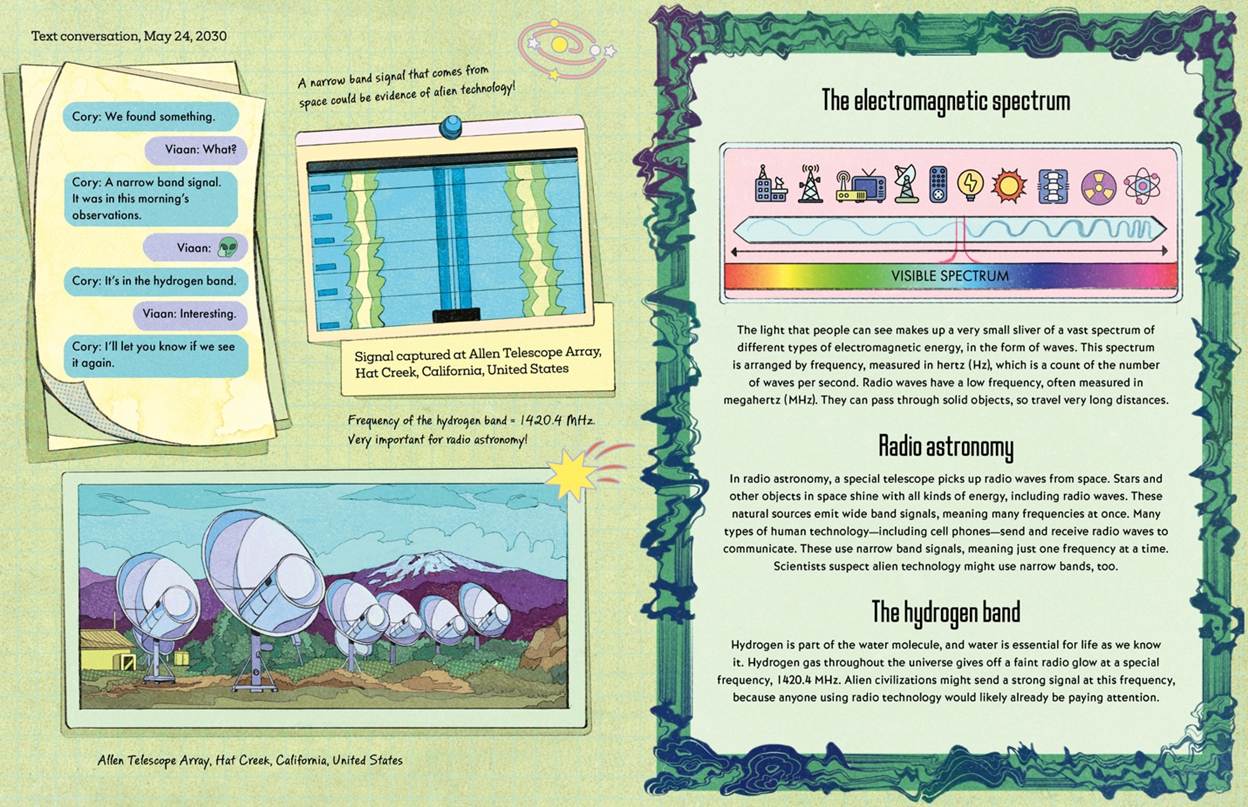
- Students spend 10-15 minutes researching their term online to find out the definition and additional information that can help explain its meaning. Students should seek out images, video, and graphics as well as text. They should double-check any information they get from AI or chatbots, as this technology can introduce errors.
Creative project
- At home or during at least 1 hour of class time (this could be split over a few days), students create short videos, reels, or posters to present their vocabulary terms. They should have fun with this and get creative. The end result should be factual and informative as well as engaging – something that would likely get clicks or views online.
- Students share their creations with the rest of the class.
Check out more activities in the free Educator Guide for THE UFO FILES.
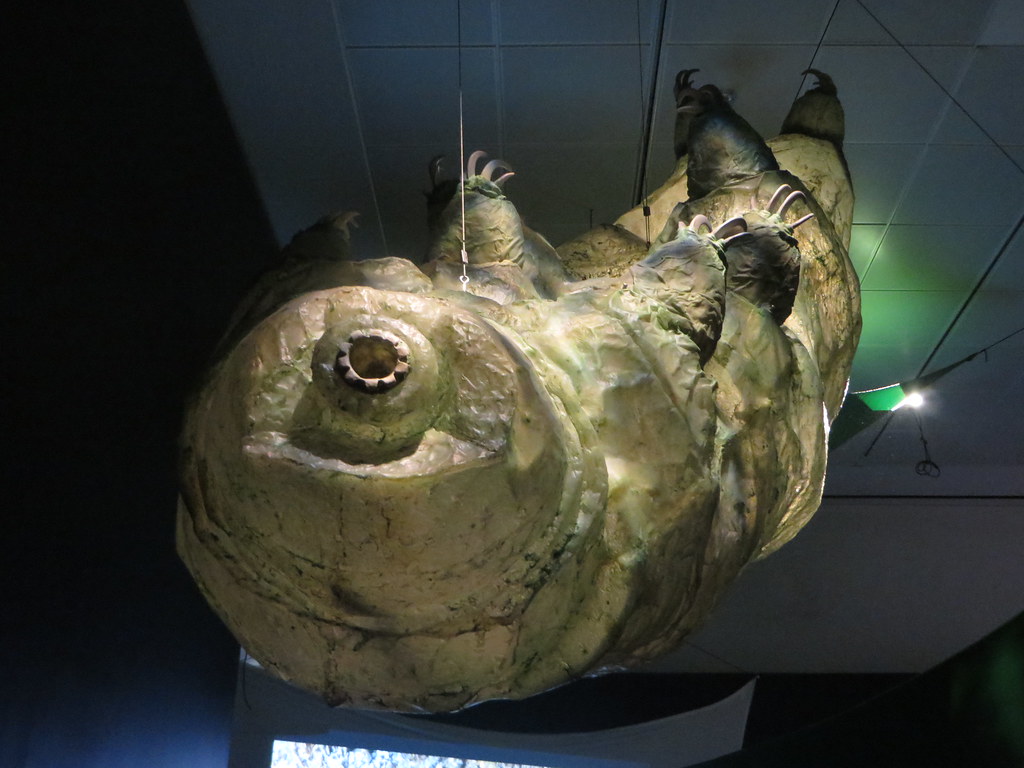
Featured image credit: “Tardigrade” by edenpictures is licensed under CC BY 2.0.

Kathryn Hulick is a freelance journalist and author of numerous books for young people or anyone who is curious. Her new book THE UFO FILES: Notes on an Alien Encounter (Quarto, 2025) combines a sci-fi story about the arrival of an alien spacecraft with scientific explanations of the marvels found on board. Her previous two books, Welcome To The Future (Quarto, 2021) and Strange But True (Quarto, 2019) are both nonfiction for young readers. She also writes news and features for Science News, Science News Explores, and Sierra Magazine. Her Substack is called Wow! Tech & Nature. She enjoys hiking with her family and dog, painting, reading, and growing unusual orchids. Follow her work on Substack: https://kathrynhulick.substack.com/




Leave a Reply
Your email is safe with me.