

• Home
  • Books
    • Beatrice and the Nightingale
    • Sharks Unhooked: The Adventures of Cristina Zenato, Underwater Ranger
    • Giant Rays of Hope: Protecting Manta Rays to Safeguard the Sea
    • A River’s Gifts: The Mighty Elwha River Reborn
    • Planet Ocean
    • Eavesdropping on Elephants
    • Neema’s Reason To Smile
    • Zoo Scientists to the Rescue
    • Sea Otter Heroes: The Predators That Saved an Ecosystem
    • Plastic, Ahoy! Investigating the Great Pacific Garbage Patch
    • Ebola: Fears and Facts
    • Jingle the Brass
    • Nugget on the Flight Deck
    • Surviving Animal Attacks
    • Elite Operations series
    • Energy Lab series
    • QuickReads Fluency Library
    • Books for English language-learners
    • Writers write all kinds of things
  • Author Visit Programs
    • FAQs
    • Calendar
  • Blog
  • Educator Resources
    • Teach the Hope
    • Earth Day Every Day newsletter archive
    • Teacher Guides
    • STEM + Literacy Activities
    • LitLinks
    • KidLit creators who make kids want to read
  • Writer Resources
    • Writing Classes
    • Manuscript or Proposal Critiques
    • How I got my start
  • Who is Patricia Newman?
  • Contact
    • Stay In Touch
    • Earth Day Every Day newsletter archive
Patricia NewmanPatricia Newman
Sibert Honor Children's Book Author & Environmentalist
  • Home
  • Books
    • Beatrice and the Nightingale
    • Sharks Unhooked: The Adventures of Cristina Zenato, Underwater Ranger
    • Giant Rays of Hope: Protecting Manta Rays to Safeguard the Sea
    • A River’s Gifts: The Mighty Elwha River Reborn
    • Planet Ocean
    • Eavesdropping on Elephants
    • Neema’s Reason To Smile
    • Zoo Scientists to the Rescue
    • Sea Otter Heroes: The Predators That Saved an Ecosystem
    • Plastic, Ahoy! Investigating the Great Pacific Garbage Patch
    • Ebola: Fears and Facts
    • Jingle the Brass
    • Nugget on the Flight Deck
    • Surviving Animal Attacks
    • Elite Operations series
    • Energy Lab series
    • QuickReads Fluency Library
    • Books for English language-learners
    • Writers write all kinds of things
  • Author Visit Programs
    • FAQs
    • Calendar
  • Blog
  • Educator Resources
    • Teach the Hope
    • Earth Day Every Day newsletter archive
    • Teacher Guides
    • STEM + Literacy Activities
    • LitLinks
    • KidLit creators who make kids want to read
  • Writer Resources
    • Writing Classes
    • Manuscript or Proposal Critiques
    • How I got my start
  • Who is Patricia Newman?
  • Contact
    • Stay In Touch
    • Earth Day Every Day newsletter archive
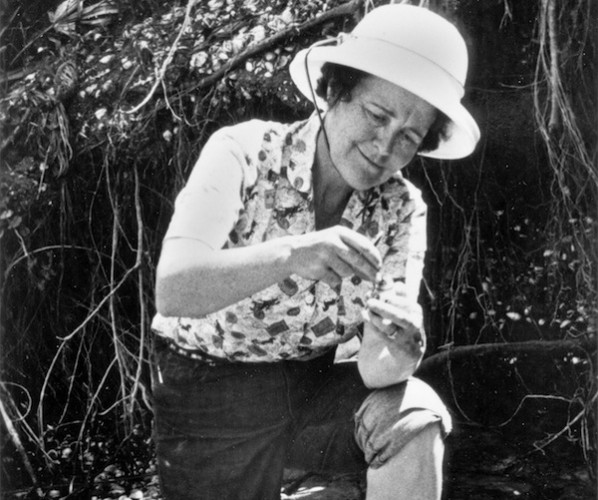
Ruth-Patrick-in-the-field-Photo-courtesy-The-Academy-of-Natural-Sciences-of-Drexel-University

LitLinks: Help students write well. The magic is in the details.

September 30, 2026 LitLinks, LitLinks-Grade 3-5, LitLinks-Grade 6-8, LitLinks-Grade K-2 No Comments
LitLinks Logo-2022

GUEST BLOGGER JULIE WINTERBOTTOM


Scientists and writers share a healthy obsession with details. Ruth Patrick, the ecologist I wrote about in Magic in a Drop of Water, studied minute differences in jewel-like, microscopic algae called diatoms. And she painstakingly identified every species of plant and animal living in a vast network of streams to understand the effects of pollution. In writing Patrick’s story, I, too, paid close attention to details, adding sensory descriptions and quotes that would engage young readers and let them feel (and smell and hear) what it it’s like to be a field biologist.
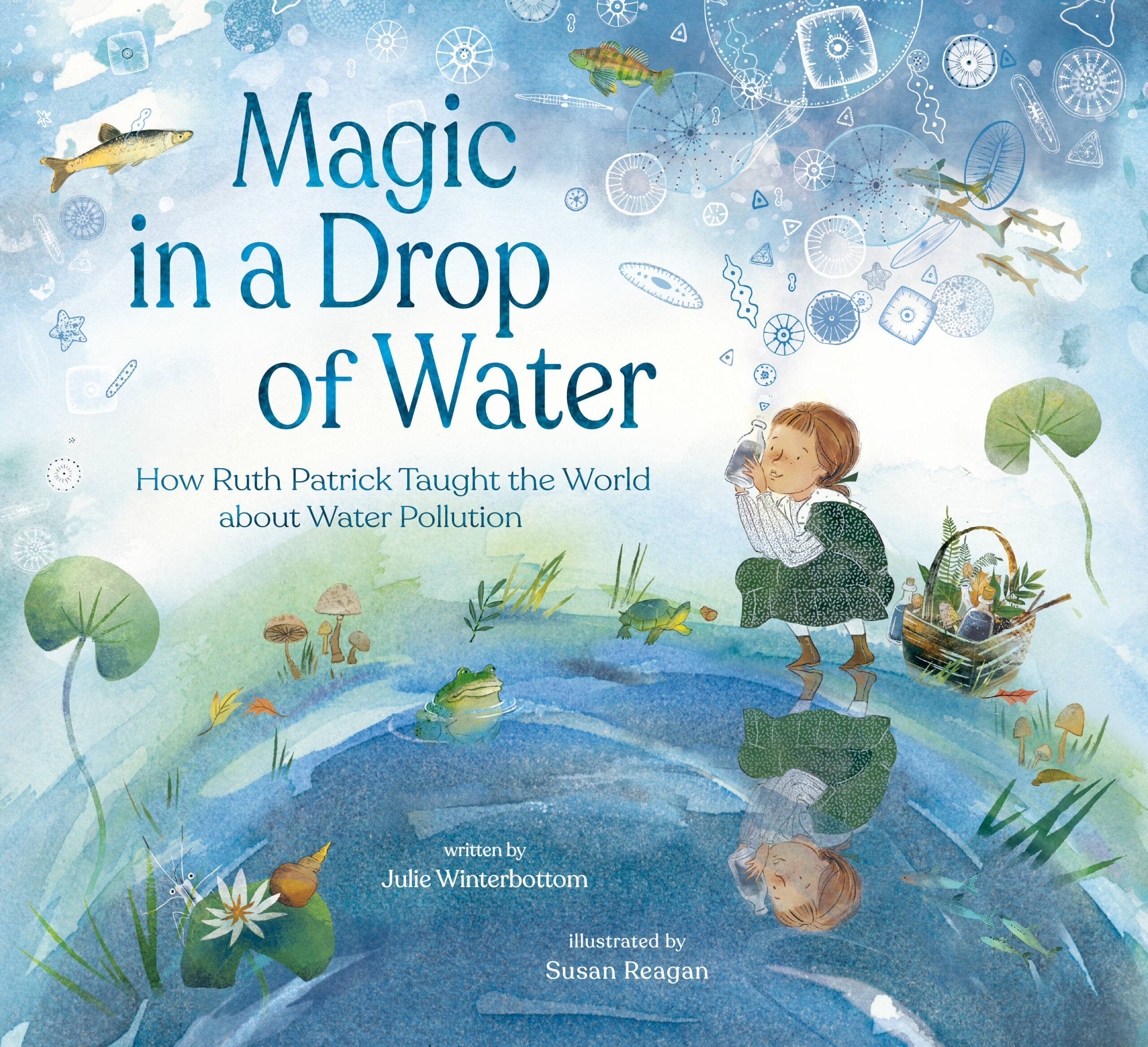
Magic-in-a-drop-of-water-cover

In this lesson, students learn how to use details like sensory descriptions and quotes to make their own writing sing.

Read

Begin by reading Magic in a Drop of Water: How Ruth Patrick Taught the World About Water Pollution to your class. Ask students to write down any details that jump out at them as they listen.

Discuss: Why details matter in science and in writing
  • Ask students where in the story Patrick or her team had to pay close attention to details. Why do scientists need to observe so carefully?
  • Then ask students what details jumped out at them while listening to the story. What was it about the language made them take notice?
  • Now re-read the passage below and ask students to listen for sensory details. Discuss what effect they have.

“She found the perfect place to study: hundreds of miles of streams in Pennsylvania. Some were sparkling clean, others reeked of chemicals. One smelled divine thanks to waste from a chocolate factory.”
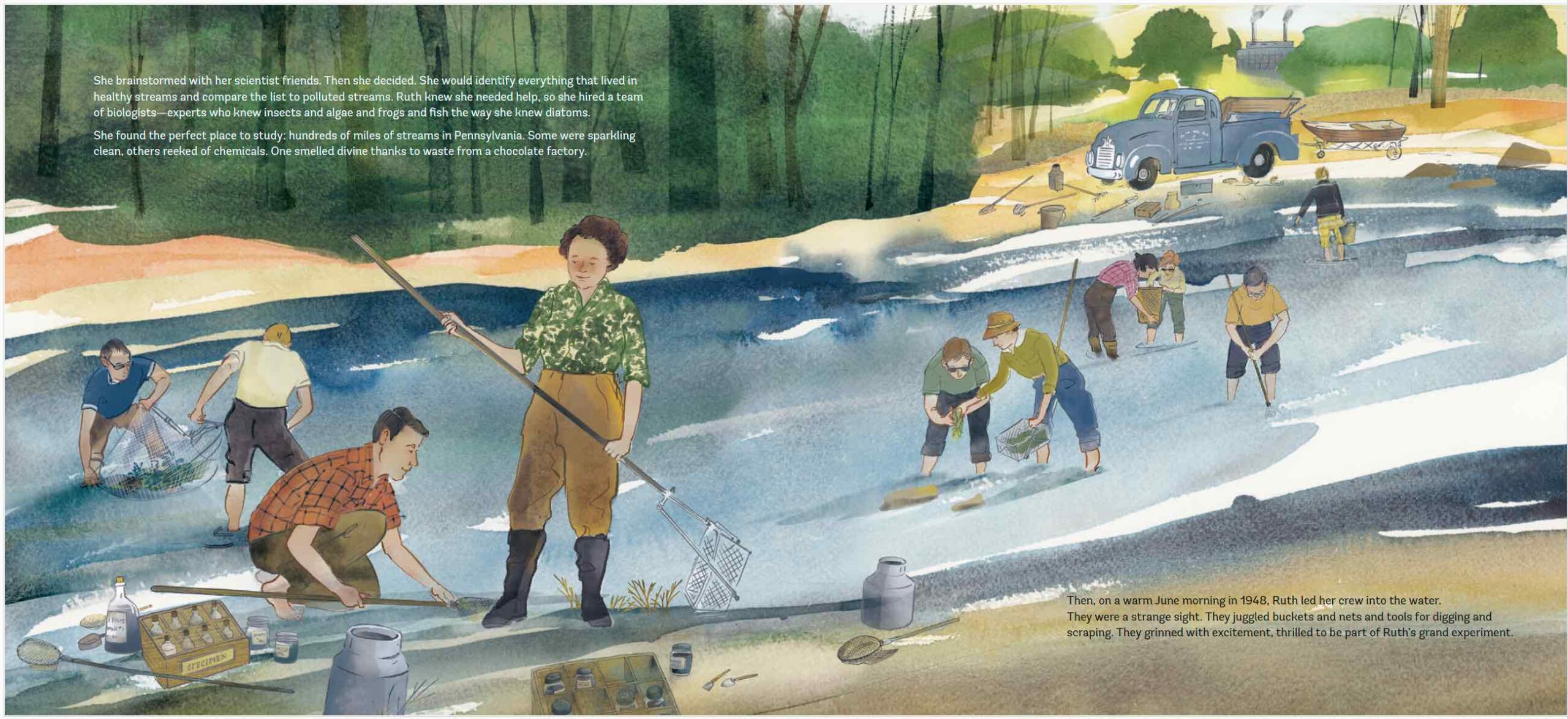
From-Magic-in-a-Drop-of-Water:-How-Ruth-Patrick-Taught-the-World-About-Water-Pollution-by-Julie-Winterbottom,-illustrated-by-Susan-Reagan-(Rocky-Pond-Books,-2025)
From Magic in a Drop of Water: How Ruth Patrick Taught the World About Water Pollution by Julie Winterbottom, illustrated by Susan Reagan (Rocky Pond Books, 2025)

Next, re-read the following passage and ask students to listen for details, including quotations, that help them feel like they are there in the scene. Discuss what the quotation reveals about Ruth’s personality.


“They worked from dawn until dusk in sweltering heat, Ruth shouting encouragement. ‘Just one more sample,’ she would call out as the sun sand in the sky and she bent down to scrape a few more diatoms from a rock.”

Writing activity: The magic is in the details

Tell your students they are going to apply the technique of using sensory details and quotations to an autobiographical sketch.

  • First point out that Magic in a Drop of Water is a “slice-of-life” biography. Rather than covering Ruth Patrick’s life from birth to death, it focuses on a few key events. Explain that students will do something similar by choosing one event from their life to focus on.
    • Have them begin by brainstorming a list of events they might want to write about.
    • Prompt them with questions like: What is your favorite childhood memory? What’s your funniest or most embarrassing experience? When did you overcome a fear? When did you deal with failure or have a great success?
  • Next have students choose one event and write down the qualities they think it reveals about them. Does it show they are funny, kind, shy, brave, creative? Anything goes.
  • Now have them list every detail they can recall about the event. What was the weather like? What did they say? What did others say? How did they feel? Remind them to pay attention to all the senses: What did they hear, smell, see, taste, touch?
  • Now ask them to write a couple of paragraphs about the event, choosing details from their list to include. Encourage them to:
    • Begin with a sentence that will grab the reader. (Read the first line of Magic in a Drop of Water as an example).
    • Make sure there are smooth transitions between sentences and paragraphs.
    • Conclude with a sentence or two that suggests what the event reveals about them.
    • Finally, ask them to come up with a title that will pique a reader’s curiosity.
    • If there is time, students can add illustrations to their text.
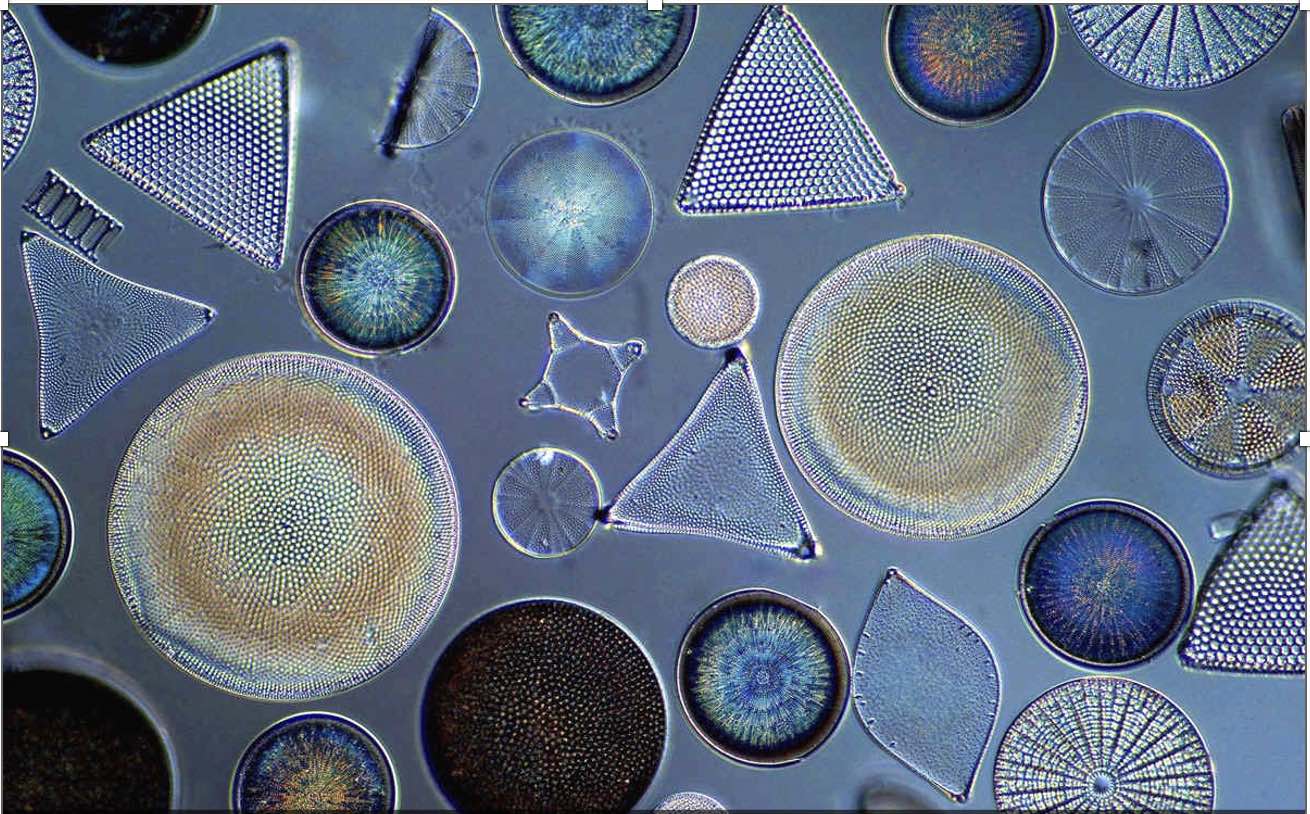
Photo-of-diatoms-circa-1800s
Photo of diatoms, circa 1800s
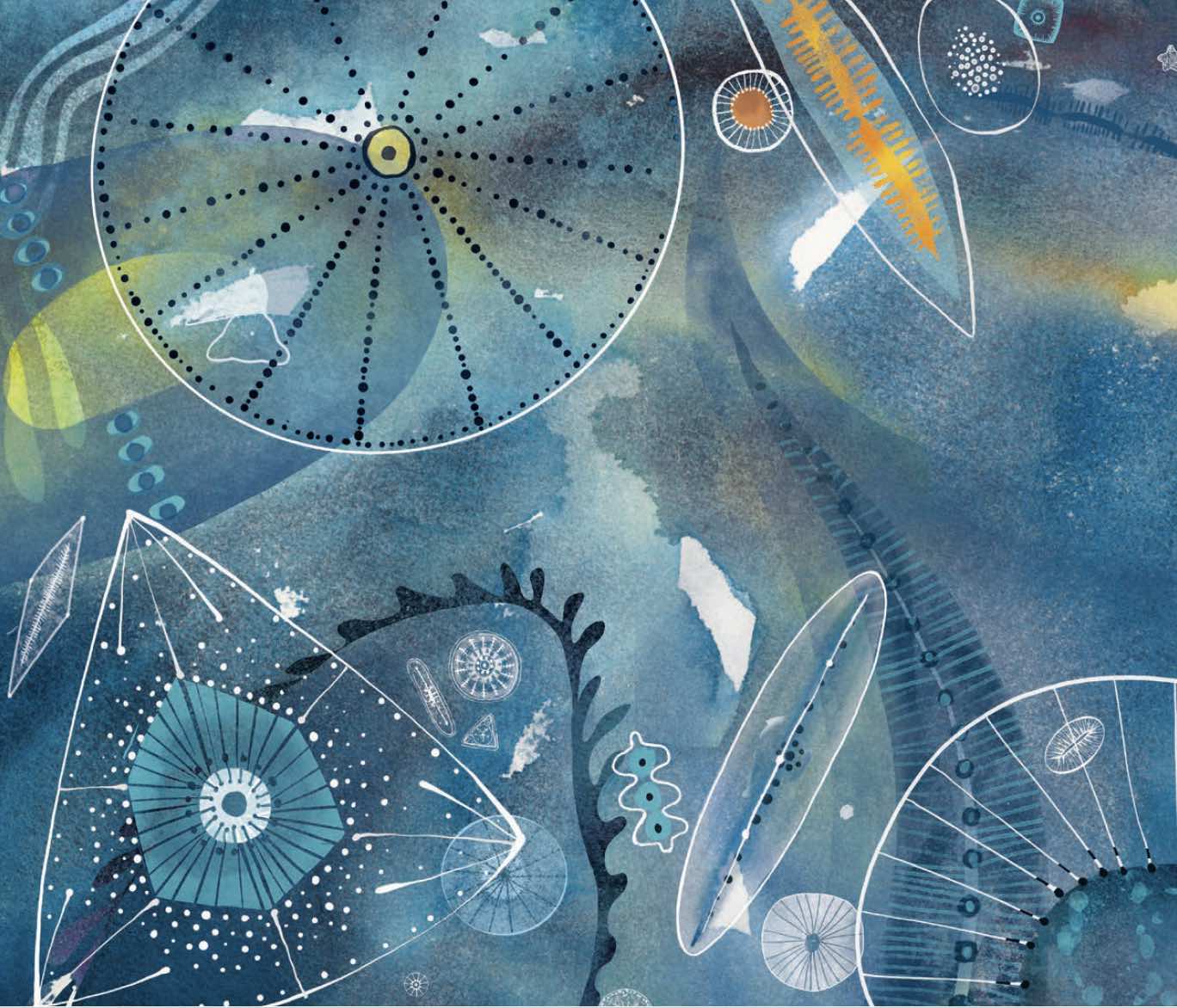
Diatom-art-by-Susan-Reagan
Diatom art by Susan Reagan

Share

Students can read their work aloud to the class or collect their mini autobiographies in a classroom book.

Featured image credit: “Ruth Patrick in the field.” Photo courtesy of The Academy of Natural Sciences of Drexel University.


Julie-Winterbottom-headshot

Julie Winterbottom writes books for children about science and history as well as sillier subjects like pranks. Her latest book, Magic in a Drop of Water: How Ruth Patrick Taught the World About Water Pollution, illustrated by Susan Reagan, tells the story of the pioneering ecologist and advocate for clean water. Magic in a Drop of Water was named an Outstanding Science Trade Book of 2025 by the National Science Teaching Association and an Orbis Pictus Recommended Book for 2026 by the National Council of Teachers of English. Julie is also the author of two humor books, Pranklopedia and What a Blast!, and Frightlopedia, a compendium of all things scary. She lives in Beacon, New York. Find her online at www.juliewinterbottom.com or follow her on Instagram (@jwbottom), Facebook (@jwbottom6), or Bluesky (@jwbottom.bsky.social).
Click for more LITLINKS STEM + Literacy activities

Tags: STEM+LiteracySTEM+Literacy Natural Science
No Comments
Share
0

You also might be interested in

Coronavirus

LitLinks: Use the life of coronavirus detective to unlock student questions

Apr 28, 2021

GUEST BLOGGER SUZANNE SLADE Coronaviruses in our world today Covid-19[...]

Monarch-butterfly-on-milkweed

LitLinks: Why does a monarch butterfly need milkweed?

Mar 13, 2024

GUEST BLOGGER CHRISTINE VAN ZANDT Most of us know that[...]

Plankton race - 5964228009_aff165227a_b

LitLinks: Let’s investigate the miracle of phytoplankton, the ocean’s oxygen-makers

Mar 9, 2022

BY PATRICIA NEWMAN Every breath we take connects us to[...]

Leave a Reply

Your email is safe with me.
Cancel Reply

Click the logo to have LitLinks delivered to your inbox

LitLinks Logo-2022

Author Visits

https://youtu.be/oEZiUVKmt2k
https://youtu.be/ziN0UrqaDYI

Earth Day Every Day Newsletter Archive

Earth-Day-Every-Day-newsletter-banner

Post Categories:

Blog Archive

Top Posts

LitLinks: How to share our ocean connections with kids and teens

LitLinks: Let’s learn to decode photos in STEM nonfiction

LitLinks: How Elephants Can Make Your Sound Unit ROAR!

LitLinks: Easy ways to build students’ science communication skills

Proof that science connects kids to the larger world

Recent Comments

  • Cynthia Argentine on LitLinks: 5 simple steps for comparing birdsong with instrumental music Wonderful integration of music and science and nature! I'm a…
  • Cynthia Argentine on LitLinks: How to observe like a scientist and write like a poet Great observations of the links between science and poetry!
  • Margaret Quinlin on LitLinks: Exploring time and sequence in nature and narrative What a creative exercise for students!
Empowering young readers to act

Latest Blog Posts

  • LitLinks: Help students write well. The magic is in the details.
    LitLinks: Help students write well. The magic is in the details.
  • LitLinks: Cause and effect loops – a new look at an old concept
    LitLinks: Cause and effect loops – a new look at an old concept
  • LitLinks: The amazing way radio waves share music with us
    LitLinks: The amazing way radio waves share music with us

Connect with me on social media

Action Shots

Check out the STEM Tuesday Blog

© 2026 — Patricia Newman

  • Home
  • Books
    • Beatrice and the Nightingale
    • Sharks Unhooked: The Adventures of Cristina Zenato, Underwater Ranger
    • Giant Rays of Hope: Protecting Manta Rays to Safeguard the Sea
    • A River’s Gifts: The Mighty Elwha River Reborn
    • Planet Ocean
    • Eavesdropping on Elephants
    • Neema’s Reason To Smile
    • Zoo Scientists to the Rescue
    • Sea Otter Heroes: The Predators That Saved an Ecosystem
    • Plastic, Ahoy! Investigating the Great Pacific Garbage Patch
    • Ebola: Fears and Facts
    • Jingle the Brass
    • Nugget on the Flight Deck
    • Surviving Animal Attacks
    • Elite Operations series
    • Energy Lab series
    • QuickReads Fluency Library
    • Books for English language-learners
    • Writers write all kinds of things
  • Author Visit Programs
    • FAQs
    • Calendar
  • Blog
  • Educator Resources
    • Teach the Hope
    • Earth Day Every Day newsletter archive
    • Teacher Guides
    • STEM + Literacy Activities
    • LitLinks
    • KidLit creators who make kids want to read
  • Writer Resources
    • Writing Classes
    • Manuscript or Proposal Critiques
    • How I got my start
  • Who is Patricia Newman?
  • Contact
    • Stay In Touch
    • Earth Day Every Day newsletter archive
Prev