

• Home
  • Books
    • Beatrice and the Nightingale
    • Sharks Unhooked: The Adventures of Cristina Zenato, Underwater Ranger
    • Giant Rays of Hope: Protecting Manta Rays to Safeguard the Sea
    • A River’s Gifts: The Mighty Elwha River Reborn
    • Planet Ocean
    • Eavesdropping on Elephants
    • Neema’s Reason To Smile
    • Zoo Scientists to the Rescue
    • Sea Otter Heroes: The Predators That Saved an Ecosystem
    • Plastic, Ahoy! Investigating the Great Pacific Garbage Patch
    • Ebola: Fears and Facts
    • Jingle the Brass
    • Nugget on the Flight Deck
    • Surviving Animal Attacks
    • Elite Operations series
    • Energy Lab series
    • QuickReads Fluency Library
    • Books for English language-learners
    • Writers write all kinds of things
  • Author Visit Programs
    • FAQs
    • Calendar
  • Blog
  • Educator Resources
    • Teach the Hope
    • Earth Day Every Day newsletter archive
    • Teacher Guides
    • STEM + Literacy Activities
    • LitLinks
    • KidLit creators who make kids want to read
  • Writer Resources
    • Writing Classes
    • Manuscript or Proposal Critiques
    • How I got my start
  • Who is Patricia Newman?
  • Contact
    • Stay In Touch
    • Earth Day Every Day newsletter archive
Patricia NewmanPatricia Newman
Sibert Honor Children's Book Author & Environmentalist
  • Home
  • Books
    • Beatrice and the Nightingale
    • Sharks Unhooked: The Adventures of Cristina Zenato, Underwater Ranger
    • Giant Rays of Hope: Protecting Manta Rays to Safeguard the Sea
    • A River’s Gifts: The Mighty Elwha River Reborn
    • Planet Ocean
    • Eavesdropping on Elephants
    • Neema’s Reason To Smile
    • Zoo Scientists to the Rescue
    • Sea Otter Heroes: The Predators That Saved an Ecosystem
    • Plastic, Ahoy! Investigating the Great Pacific Garbage Patch
    • Ebola: Fears and Facts
    • Jingle the Brass
    • Nugget on the Flight Deck
    • Surviving Animal Attacks
    • Elite Operations series
    • Energy Lab series
    • QuickReads Fluency Library
    • Books for English language-learners
    • Writers write all kinds of things
  • Author Visit Programs
    • FAQs
    • Calendar
  • Blog
  • Educator Resources
    • Teach the Hope
    • Earth Day Every Day newsletter archive
    • Teacher Guides
    • STEM + Literacy Activities
    • LitLinks
    • KidLit creators who make kids want to read
  • Writer Resources
    • Writing Classes
    • Manuscript or Proposal Critiques
    • How I got my start
  • Who is Patricia Newman?
  • Contact
    • Stay In Touch
    • Earth Day Every Day newsletter archive
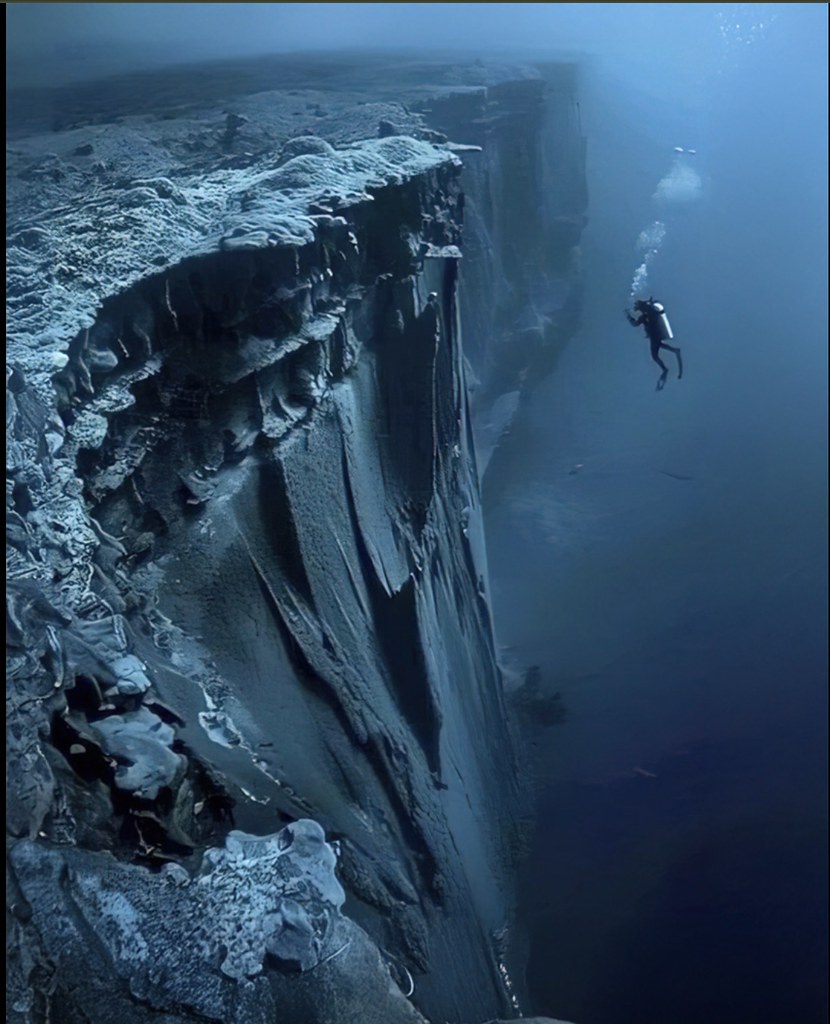
"Mariana-Trench"-by-clamshack-is-licensed-under-CC-BY-NC-SA-2.0.

LitLinks: How poetry helps students ‘see’ the ocean deep

January 7, 2026 LitLinks, LitLinks-Grade 3-5, LitLinks-Grade 6-8 No Comments
LitLinks Logo-2022

GUEST BLOGGER LYDIA LUKIDIS


Educators are always looking for lessons that spark curiosity, strengthen literacy skills, and help students make natural connections across subjects. My book Deep, Deep Down: The Secret Underwater Poetry of the Mariana Trench is an ideal launchpad for cross-curricular learning because its lyrical language and scientific content show how poetry and STEM can illuminate each other. The following project-based-learning lesson invites students to think like both scientists and writers as they explore the ocean deep in the Earth’s deepest ocean trench.
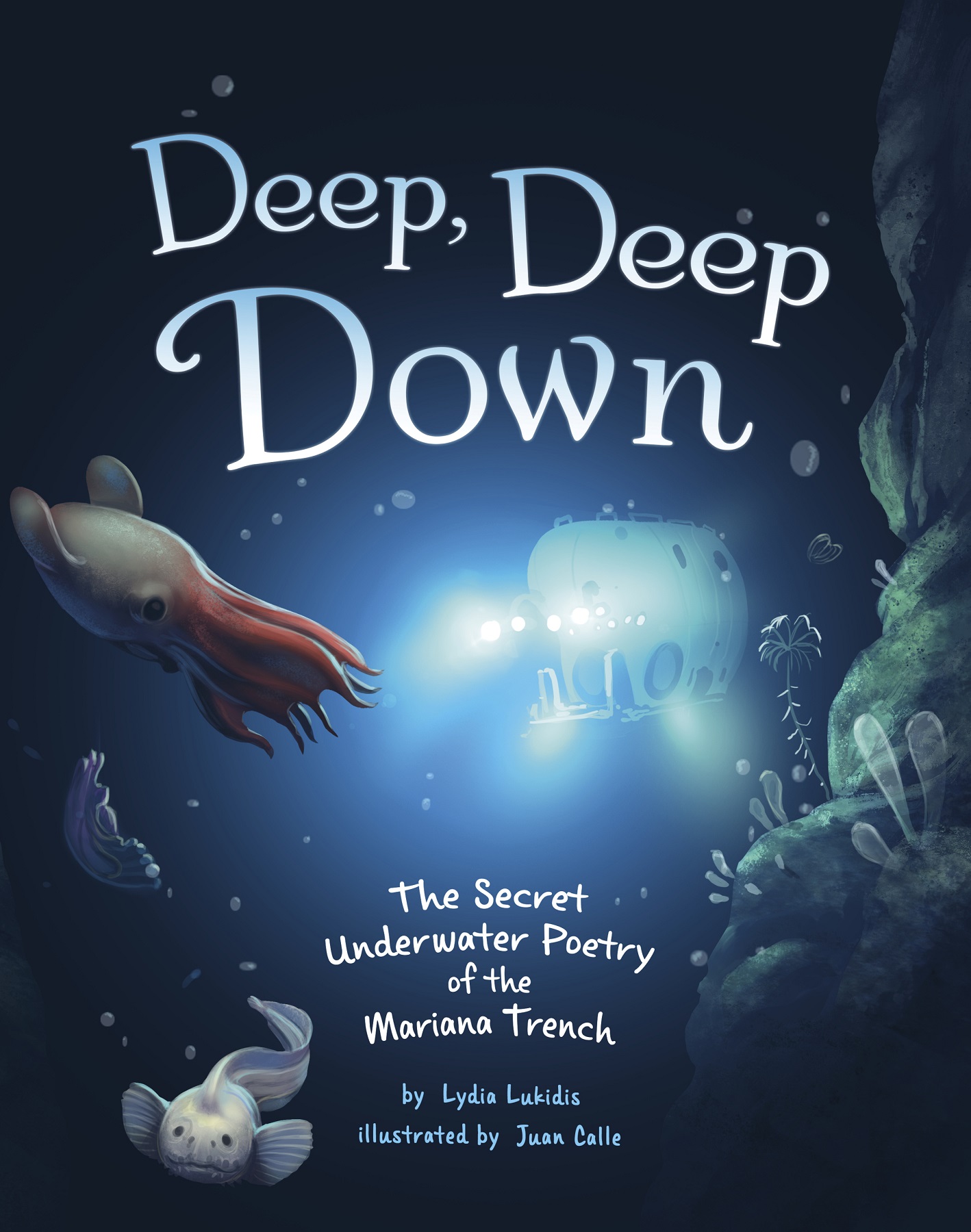
Deep-Deep-Down-cover

Lesson overview: “Poetry of the Deep” (Grades 3–6)

Driving Question: How can we use poetic language to help readers imagine places they cannot see?
STEM Focus: Ocean zones, pressure, bioluminescence, adaptations
ELA Focus: Imagery, figurative language, sensory detail, word choice
Project Outcome: A class “Deep-Sea Poetry Gallery”

Build curiosity with science + wonder

Begin by reading a spread from Deep, Deep Down aloud. Ask students what they notice about the language and how it made them feel or imagine. This naturally leads to questions about darkness, pressure, strange animals, and survival in extreme environments.

Introduce a quick overview of ocean zones, sunlight, twilight, midnight, abyss, and hadal, and discuss how depth changes temperature, light, and pressure. Invite students to compare these scientific ideas with the imagery and tone they heard in the book.

Hands-on STEM investigation: “What happens when you go deep?”

Use a simple pressure demonstration to make deep-sea conditions concrete:

Materials: Two identical plastic cups, permanent marker, bucket of water, string, small weights.

  • Draw a tiny deep-sea creature on one cup.
  • Predict what will happen as it sinks.
  • Lower the cup into the water and observe deformation.
  • Discuss why pressure increases with depth and how organisms adapt.

Follow with a mini exploration of bioluminescence: Turn off the lights, snap glow sticks, and discuss why animals produce light in the deep. Connect these observations to descriptive words in the book—“inky,” “crushing,” “shimmering.”

Hands-on STEM experience gives students the sensory foundation they need to write vivid poetry later.

ELA workshop: Turning science into poetry

Using their new scientific understanding, challenge students to write poems that blend facts with imagination.

Mini-Lessons:

  • Imagery: “Paint” the deep ocean using sensory detail.
  • Figurative Language: Create similes and metaphors inspired by deep-sea adaptations.
  • Word Choice: Brainstorm verbs and adjectives that evoke the hadal zone’s mood.

Re-read a short passage from Deep, Deep Down and analyze how linguistic choices help readers visualize scientific realities. Students quickly see how STEM can shape a writer’s craft.
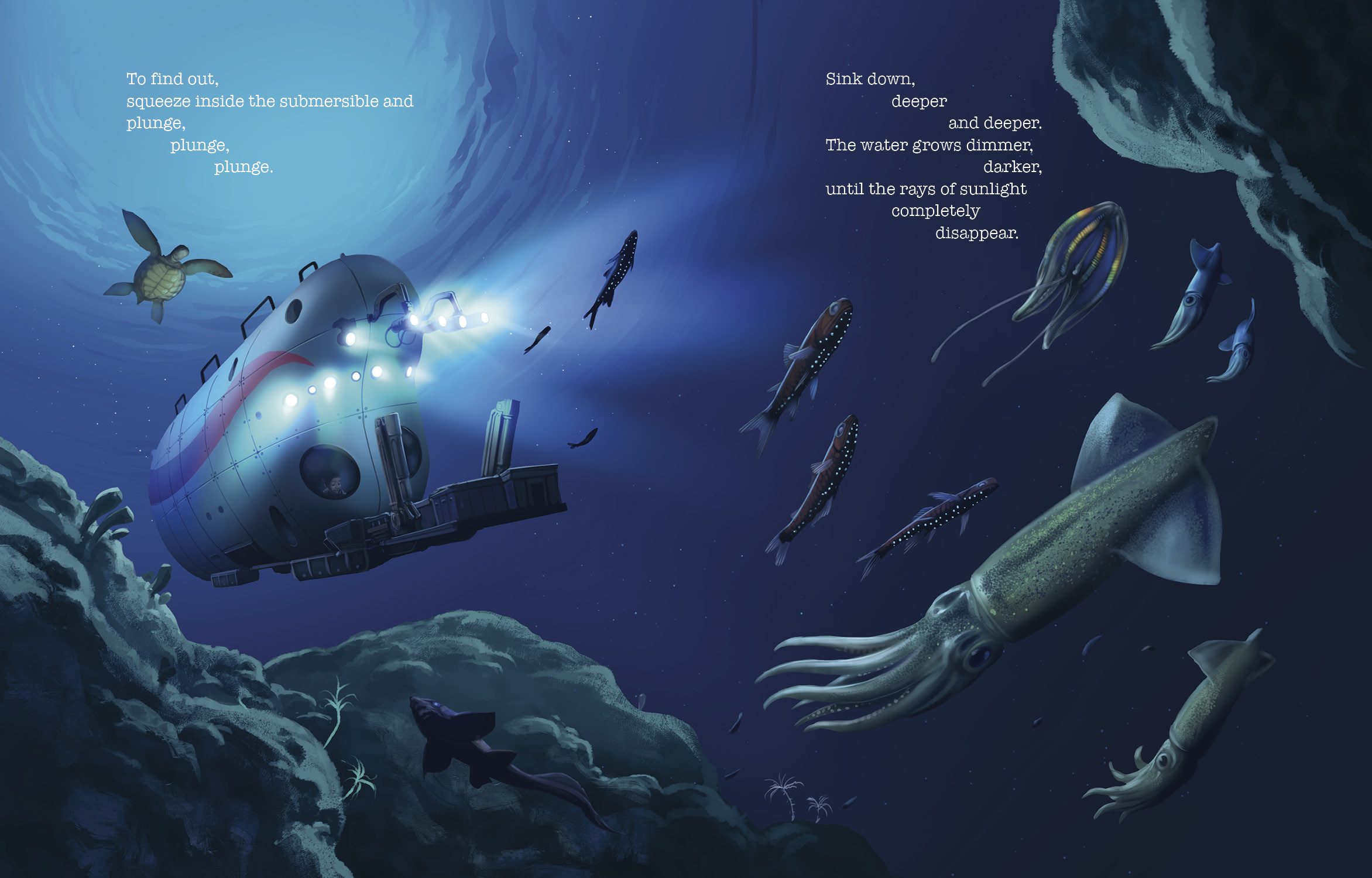
Deep-Deep-Down-interior
From Deep, Deep Down: The Secret Underwater Poetry of the Mariana Trench by Lydia Lukidis, illustrated by Juan Calle Velez (Capstone, 2023)

Project: Create a “Deep-Sea Poetry Gallery”

Students choose one organism or feature of the Mariana Trench—snailfish, amphipods, hydrothermal vents, or even pressure itself—and write a free-verse poem that includes:

  • Three accurate scientific facts
  • Two types of figurative language
  • Strong sensory vocabulary
  • A descriptive title

Add illustrations or digital artwork. Optionally, include QR codes linking to audio recordings of students reading their poems.

Display the poems in a hallway, classroom, or digital slideshow.

Reflect and extend

Wrap up with reflection questions:

  • How did science help you write better poetry?
  • How did poetry help you understand the science?

Extend learning by creating a digital class book or comparing Earth’s deepest oceans to those on icy moons like Europa.

By blending STEM with lyrical nonfiction, this project helps students understand that science is full of mystery and story—and that writing is a powerful tool for exploring the unknown.

Featured image credit: “Mariana Trench” by clamshack is licensed under CC BY-NC-SA 2.0.
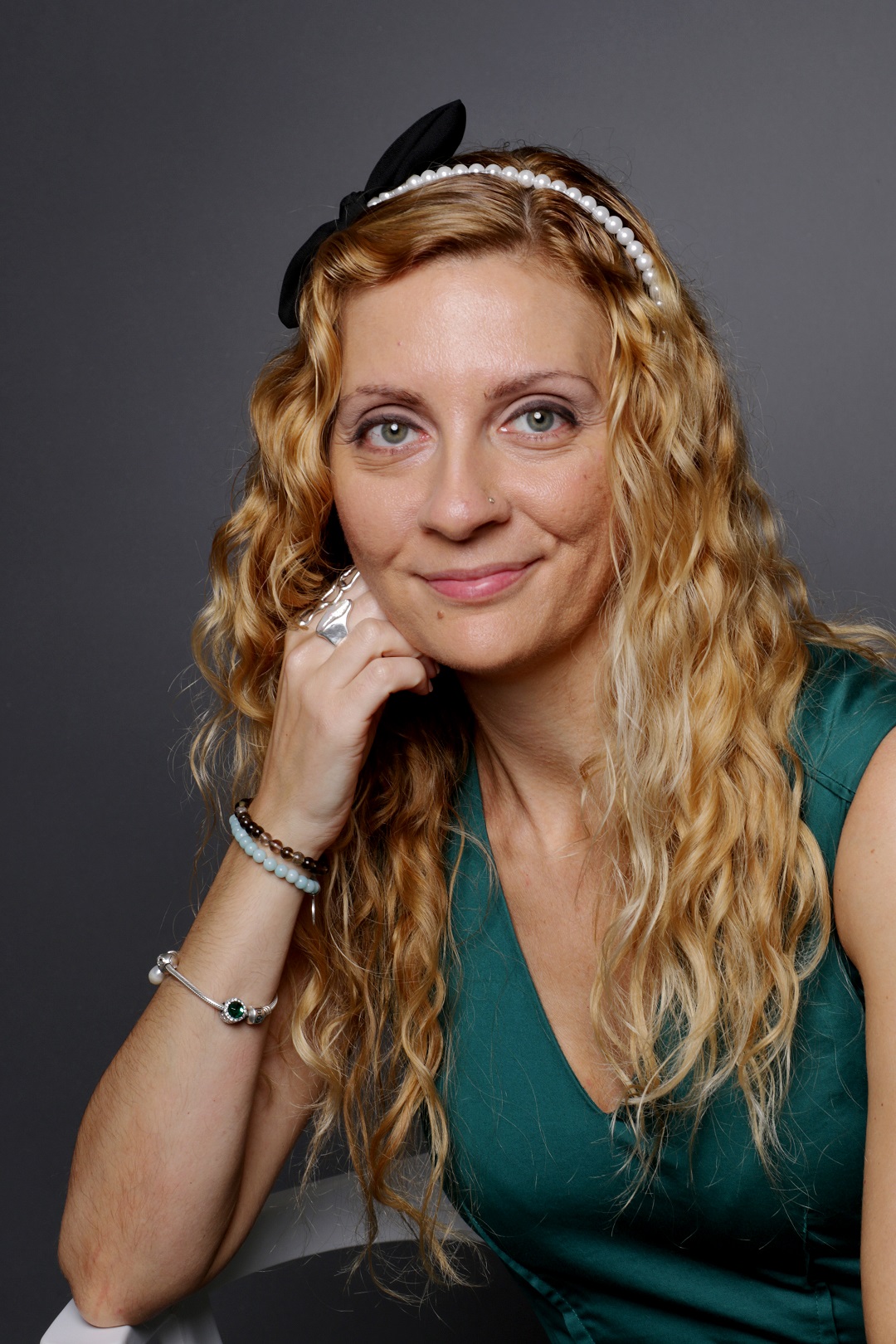

Lydia-Lukidis-headshot

Lydia Lukidis is an award-winning author of 60+ trade and educational books for children. Her titles include UP, UP HIGH: The Secret Poetry of Earth’s Atmosphere (Capstone, 2025), DANCING THROUGH SPACE: Dr. Mae Jemison Soars to New Heights (Albert Whitman, 2024), and DEEP, DEEP, DOWN: The Secret Underwater Poetry of the Mariana Trench (Capstone, 2023). She won numerous awards such as the Crystal Kite Award for the Canada and North America division, a Forest of Reading Silver Birch Express Honor, and multiple Cybils Award nominations. Another passion of hers is fostering a love for children’s literacy through the writing workshops she regularly offers in elementary schools across Quebec with the Culture in the Schools program. Lydia is represented by literary agent Miranda Paul from Aevitas Creative Management. Website, Blog, Twitter, Facebook
Click for more LITLINKS STEM + Literacy activities

Tags: STEM+LiteracySTEM+Literacy Natural Science
No Comments
Share
0

You also might be interested in

LitLinks: Build map-reading and compare- contrast skills with a tiny possum and a moth

LitLinks: Build map-reading and compare- contrast skills with a tiny possum and a moth

Feb 15, 2023

GUEST BLOGGER JULIE MURPHY Preparation Tiny Possum and the Migrating[...]

Salmon spawning
Salmon spawning

LitLinks: How to write a persuasive poem through the eyes of a salmon

Sep 21, 2022

BY PATRICIA NEWMAN A River’s Gifts tells the story of[...]

WaterShortage-15183609910_71066dbfa0_b

LitLinks: Will our world run dry? Easy ways to help students raise their voices about water

Dec 15, 2021

GUEST BLOGGER NANCY CASTALDO What if, one day, you turned[...]

Leave a Reply

Your email is safe with me.
Cancel Reply

Click the logo to have LitLinks delivered to your inbox

LitLinks Logo-2022

Author Visits

https://youtu.be/oEZiUVKmt2k
https://youtu.be/ziN0UrqaDYI

Earth Day Every Day Newsletter Archive

Earth-Day-Every-Day-newsletter-banner

Post Categories:

Blog Archive

Top Posts

LitLinks: How to share our ocean connections with kids and teens

LitLinks: Let’s learn to decode photos in STEM nonfiction

LitLinks: How Elephants Can Make Your Sound Unit ROAR!

LitLinks: Easy ways to build students’ science communication skills

Proof that science connects kids to the larger world

Recent Comments

  • Patricia Newman on LitLinks: 3 easy sustainable food activities for the classroom Thank YOU, Kari!
  • Kari Ann Gonzalez on LitLinks: 3 easy sustainable food activities for the classroom Thank you so much for having me on your blog,…
  • Cynthia Argentine on LitLinks: 5 simple steps for comparing birdsong with instrumental music Wonderful integration of music and science and nature! I'm a…
Empowering young readers to act

Latest Blog Posts

  • LitLinks: 3 easy sustainable food activities for the classroom
    LitLinks: 3 easy sustainable food activities for the classroom
  • LitLinks: Help students write well. The magic is in the details.
    LitLinks: Help students write well. The magic is in the details.
  • LitLinks: Cause and effect loops – a new look at an old concept
    LitLinks: Cause and effect loops – a new look at an old concept

Connect with me on social media

Action Shots

Check out the STEM Tuesday Blog

© 2026 — Patricia Newman

  • Home
  • Books
    • Beatrice and the Nightingale
    • Sharks Unhooked: The Adventures of Cristina Zenato, Underwater Ranger
    • Giant Rays of Hope: Protecting Manta Rays to Safeguard the Sea
    • A River’s Gifts: The Mighty Elwha River Reborn
    • Planet Ocean
    • Eavesdropping on Elephants
    • Neema’s Reason To Smile
    • Zoo Scientists to the Rescue
    • Sea Otter Heroes: The Predators That Saved an Ecosystem
    • Plastic, Ahoy! Investigating the Great Pacific Garbage Patch
    • Ebola: Fears and Facts
    • Jingle the Brass
    • Nugget on the Flight Deck
    • Surviving Animal Attacks
    • Elite Operations series
    • Energy Lab series
    • QuickReads Fluency Library
    • Books for English language-learners
    • Writers write all kinds of things
  • Author Visit Programs
    • FAQs
    • Calendar
  • Blog
  • Educator Resources
    • Teach the Hope
    • Earth Day Every Day newsletter archive
    • Teacher Guides
    • STEM + Literacy Activities
    • LitLinks
    • KidLit creators who make kids want to read
  • Writer Resources
    • Writing Classes
    • Manuscript or Proposal Critiques
    • How I got my start
  • Who is Patricia Newman?
  • Contact
    • Stay In Touch
    • Earth Day Every Day newsletter archive
Prev Next