


GUEST BLOGGER BONNIE KELSO
Children often assume that taking a bath has to involve soap. But what about animals who live underwater? They don’t use soap, but they have clever ways of cleaning themselves. Guide students on an underwater journey that helps them understand how some sea animals “bathe” themselves.
Lesson prep
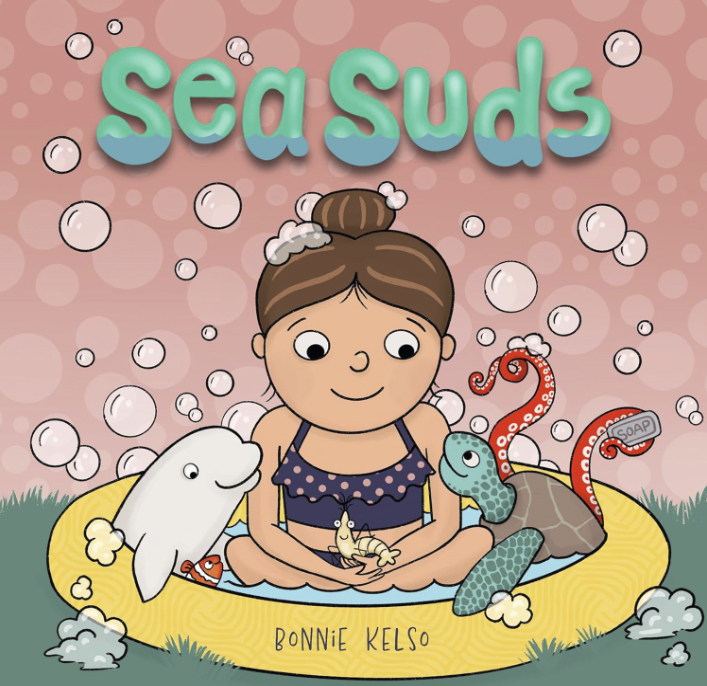
Read Sea Suds (written and illustrated by Bonnie Kelso) to your students. The book is a playful exploration of bathing, touching on hygiene, skin health, and a short list of sea animals with interesting cleaning behaviors. The author’s graphic novel-like approach to storytelling will help engage even the most reluctant readers.
Ask students the following discussion questions to further spark curiosity:
- How do you prepare to take a bath?
- What happens when you don’t keep yourself clean?
- Why do you need to take care of your skin and hair?
Exploring skin
Explore human skin cells with students. Share microscopic images of skin. Allow them to observe their own skin under a magnifying glass. Ask them to make a drawing of what they see.
Explain the purpose of skin in simple terms:
- Skin is made up of tiny cells. Cells are the living building blocks of your body.
- Skin protects you by holding everything inside your body together.
- Your skin acts as a waterproof shield.
- Skin helps keep germs out of your body.
- Skin helps you stay warm.
- Nerve cells in your skin help you feel things.
- Your skin is a cell factory, generating new cells all the time.
Ask students the following questions for further discussion:
- What is the purpose of human skin?
- How can you care for your skin and keep it healthy?
- How is hair different from skin?
- How can you keep your hair healthy?
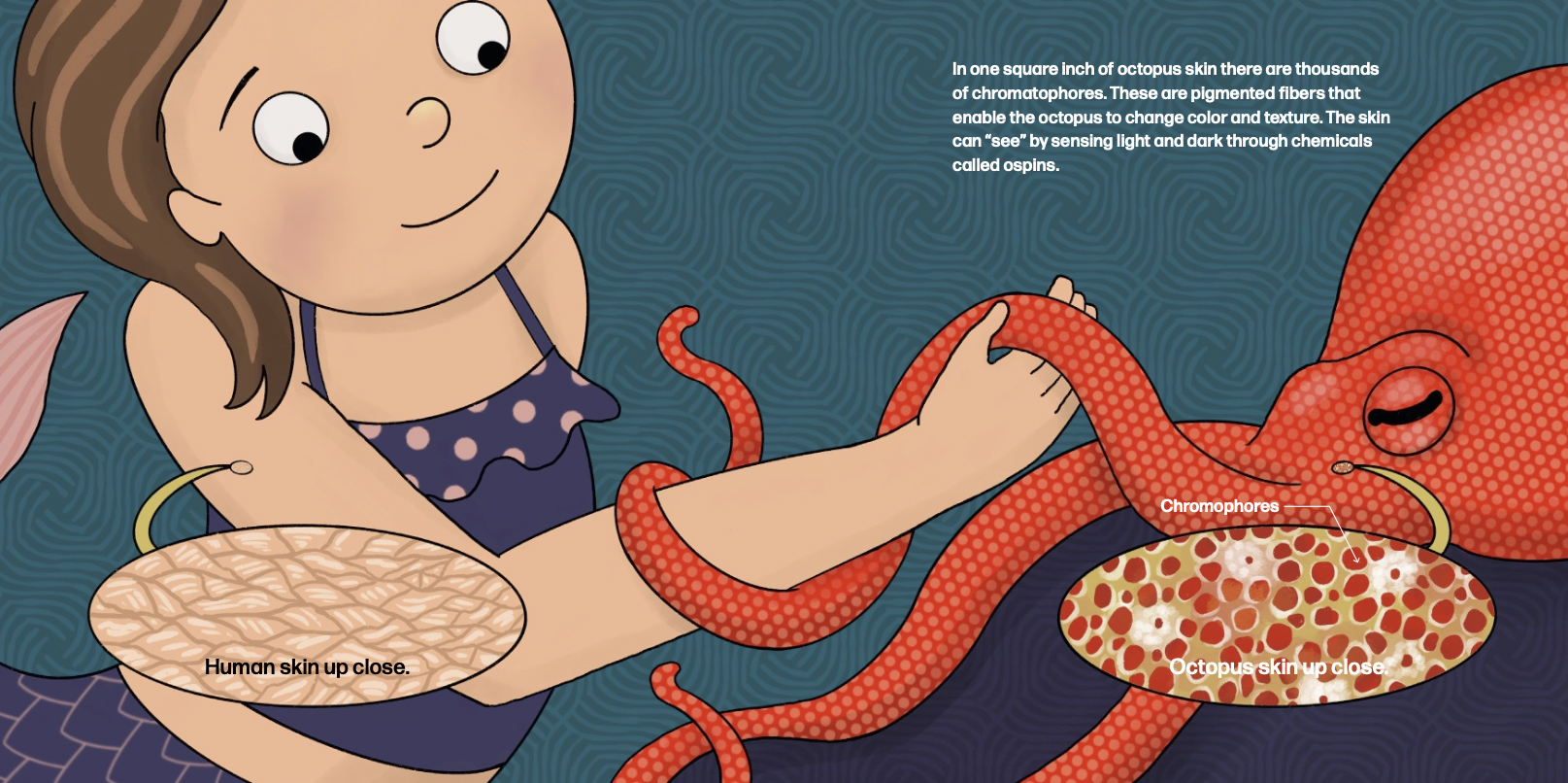
Create Venn diagrams
Help students compare and contrast cleaning behaviors between humans and sea turtles by working together to draw a simple Venn diagram:
| Human | Both | Sea Turtle |
|---|---|---|
| Uses soap and fresh water | Removes bacteria from body | Does not use soap |
| Can bathe alone | Regular cleaning is required | Requires help from friends |
| Bathes in a tub or shower | Engages in focused activity | Rests in a cleaning station |
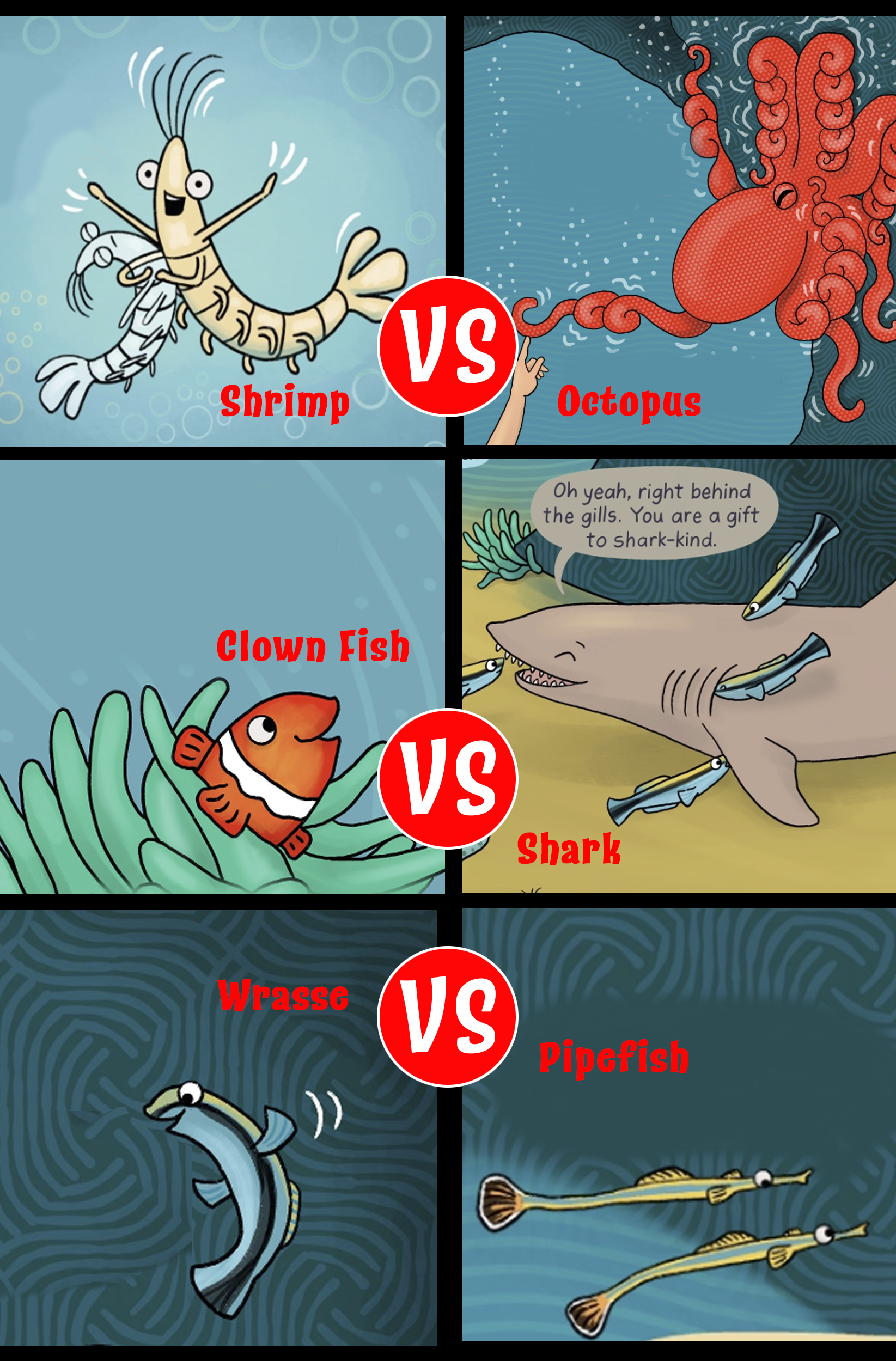
Next, using scenes from the book, create additional Venn diagrams together comparing and contrasting any two sea animals (examples):
| Shrimp | Both | Octopus |
|---|---|---|
| Wriggles off exoskeleton | Self-removes cells | Rubs arms along body |
| Clown fish | Both | Shark |
|---|---|---|
| Rubs against anemone | Keeps scales or skin free of parasites | Rests in a cleaning station while wrasse remove parasites |
| Wrasse | Both | Pipefish |
|---|---|---|
| Picks parasites from larger creatures | Eat parasites | Eats copepods from thin cracks |
Writing and drawing activity
Show students the prepared sea animal cards which can be downloaded and printed out here. Invite students to draw their favorite animal from the book bathing in its special way. Ask them to write how their favorite animal stays clean and why this behavior helps them to survive. How is that animal’s cleaning behavior similar and different from their own. They can also add labels to their drawing to help explain.
Sharing
Either have students form into small groups for sharing or volunteer to present their work to the class.
For further exploration
Ask students to create additional sea animal cards (not cited in the book) to add to the classroom’s collection. They can draw a picture of the animal or collage a photo into the picture box. Below the image they can list three hygiene facts about the sea animal that they discovered in their research.
Lastly, remind students that the ocean and its inhabitants are part of Earth’s natural resources and should always be respected and protected. And please warn them that if they ever find themselves swimming in the ocean, never, ever, be tempted to eat Beluga whale poop. That’s icky.
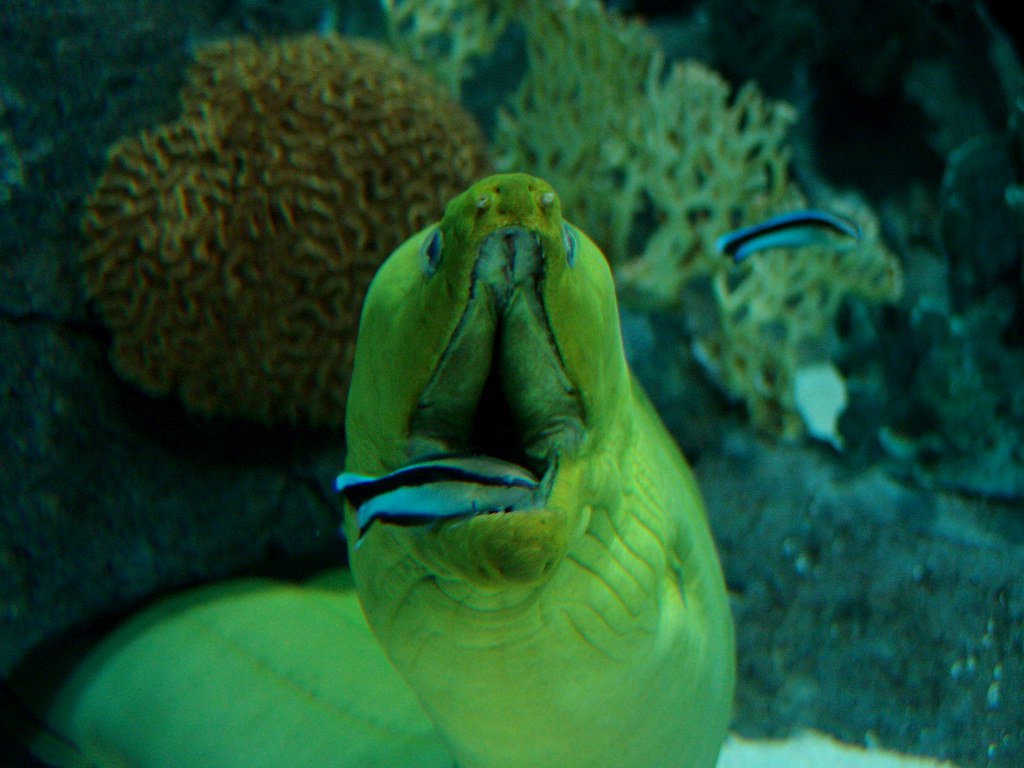
Featured image credit: “cleaner wrasse cleaning moray eel” by Joachim S. Müller is licensed under CC BY-NC-SA 2.0.
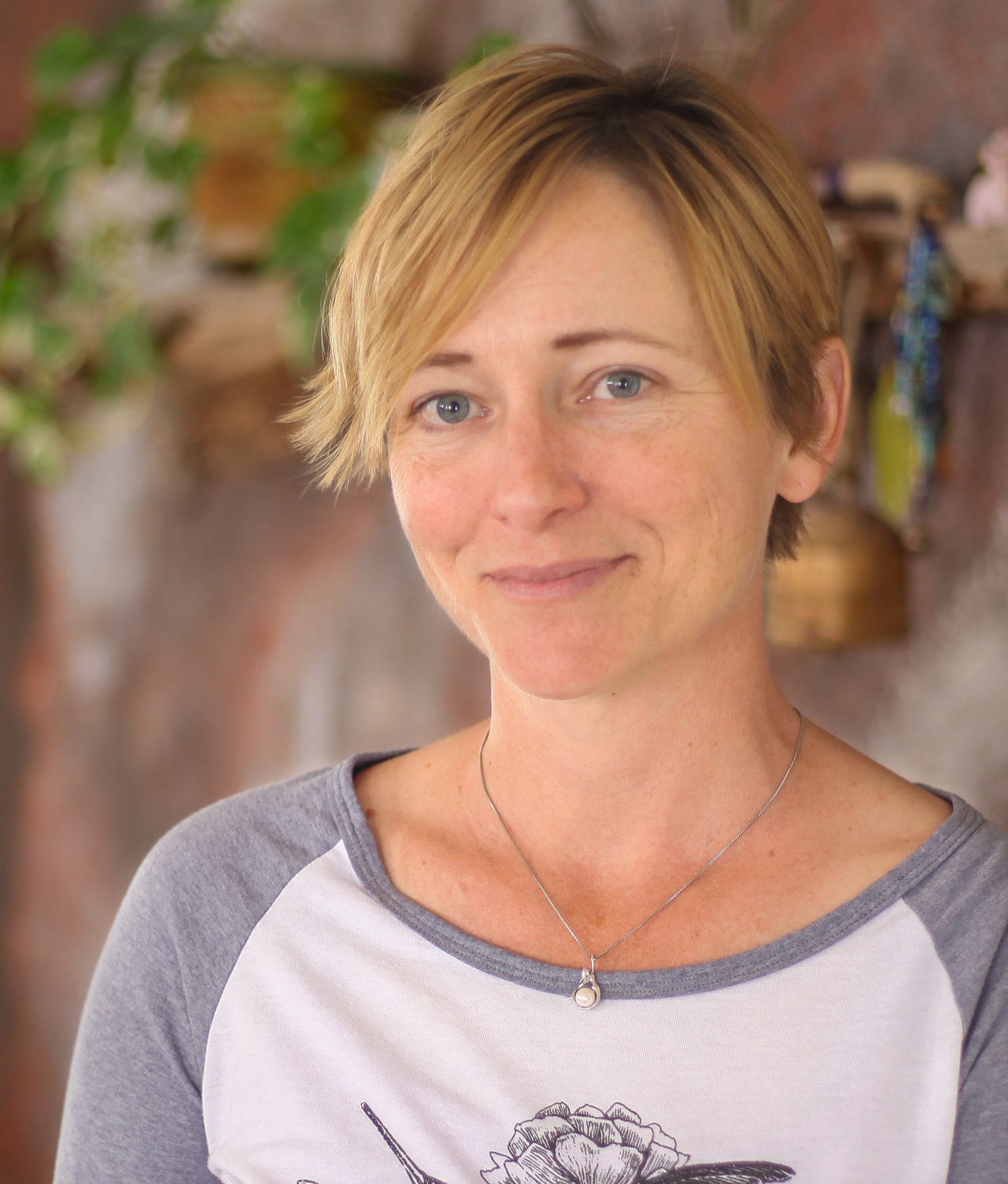
Bonnie Kelso graduated from the Rhode Island School of Design and worked as an exhibit designer for the Smithsonian Institution. She is the author and illustrator of six books for children including Sea Smiles and Sleepy Sea. Bonnie is represented by Liz Nealon at Great Dog Literary. Website: www.bonniekelso.com
Instagram: @bonnie.kelso; Bluesky: @bonniekelso.bsky.social; Pinterest: @bonniekelsobooks; and YouTube – DoodleChat: @bonniekelsoart




Leave a Reply
Your email is safe with me.