


GUEST BLOGGER CARRIE A. PEARSON
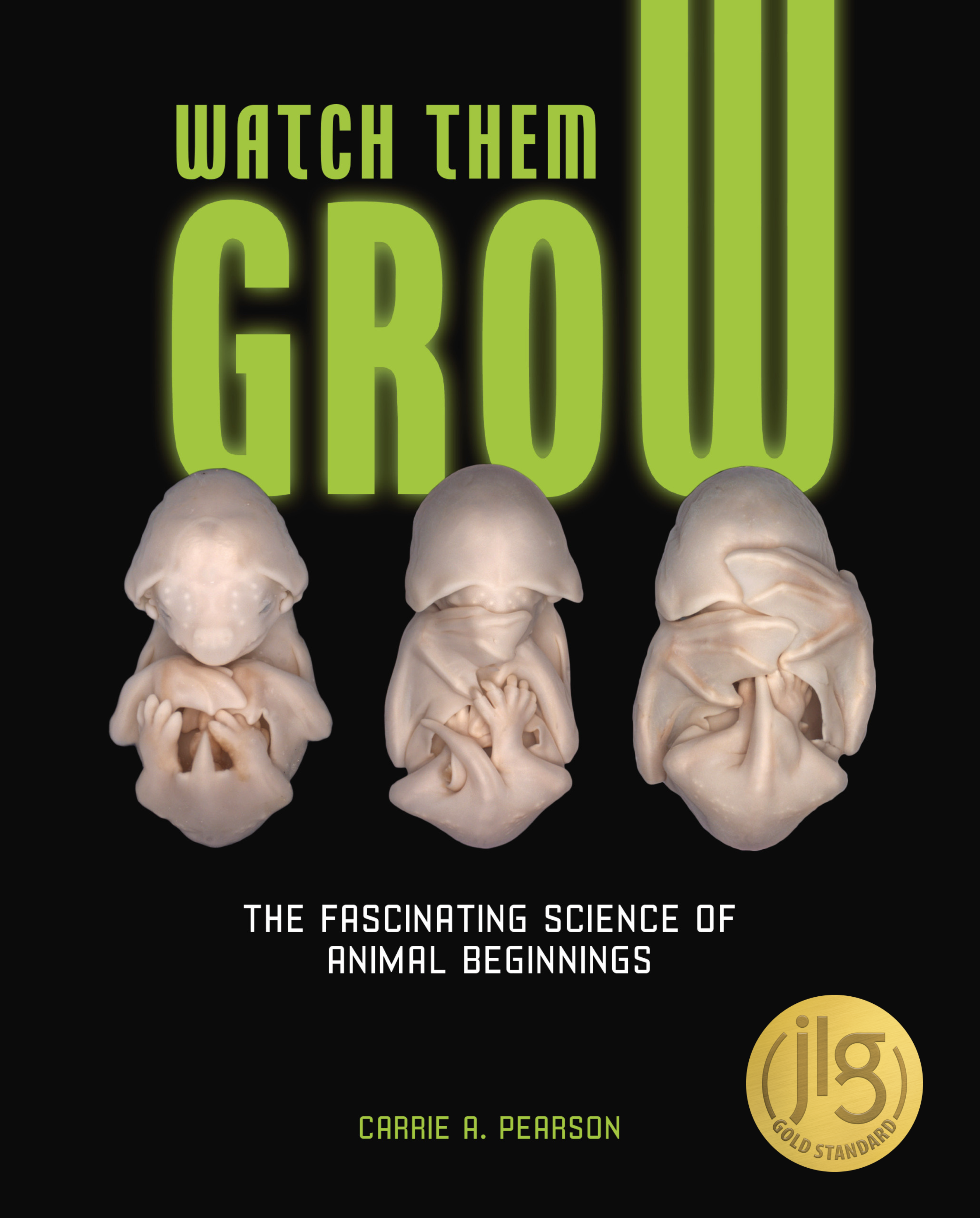
Growing up, I was teased for using ‘big words.’ To me, certain words just fit my purpose better, and yes, sometimes my choices were superior. This is especially true in science. A small shift in language can change meaning, accuracy, and understanding. Watch Them Grow: The Fascinating Science of Animal Beginnings, my latest authored nonfiction book, gives students repeated, meaningful exposure to biology vocabulary. This helps students move from general terms to specificity, a foundational skill in both STEM and language arts.
Domain-specific vocabulary
Watch Them Grow, a middle-grade photographic nonfiction book, introduces and reinforces developmentally accurate biology terms, including:
- embryo
- fetus
- gestation
- nourishment
Readers of the book see that different subjects require different kinds of words. Just as poetry uses imagery and math uses symbols, science relies on specific terminology to communicate ideas clearly. This concept builds content-area literacy and confidence in reading nonfiction texts.
Everyday language vs. scientific language exercise
In this exercise, students explore how casual phrases are often imprecise, whereas scientific terms are particular.
- Create a two-column vocabulary chart with just the bold headings shown in the example below
- Read Watch Them Grow aloud, noting precise language.
- Facilitate as students add examples in the chart, such as:
| Everyday Language | Scientific Language |
| Baby growing | Gestation |
| Baby inside mom | Embryo |
| Safe place to grow | Egg / uterus / pouch |
| Gets food | Nourished |
| Comes out | Hatches / is born |
Then present two sentences describing the same event, such as:
- “The baby grows inside its mom.”
- “The embryo develops during gestation inside the uterus.”
Students can discuss:
- Which sentence is more precise?
- What information is added by the scientific words?
- In what context might each sentence be appropriate to use?
Side benefit: this exercise also builds metalinguistic awareness, since students think about language, not just use it.
Follow-up activity: Build a precision ladder
Create a “word ladder” from general to precise:
- animal → baby animal → embryo → embryo during gestation → embryo during gestation inside the uterus
This activity visually demonstrates how precision builds understanding step by step.
Takeaways
These activities help students understand why scientists choose specific words, how meaning becomes more precise, and that “big words” often replace many smaller, vaguer ones—just as I suspected while growing up. Vocabulary isn’t about harder words; it’s about clarity.
Featured image credit: CC BY-NC-SA 2.0 Ellery Chen
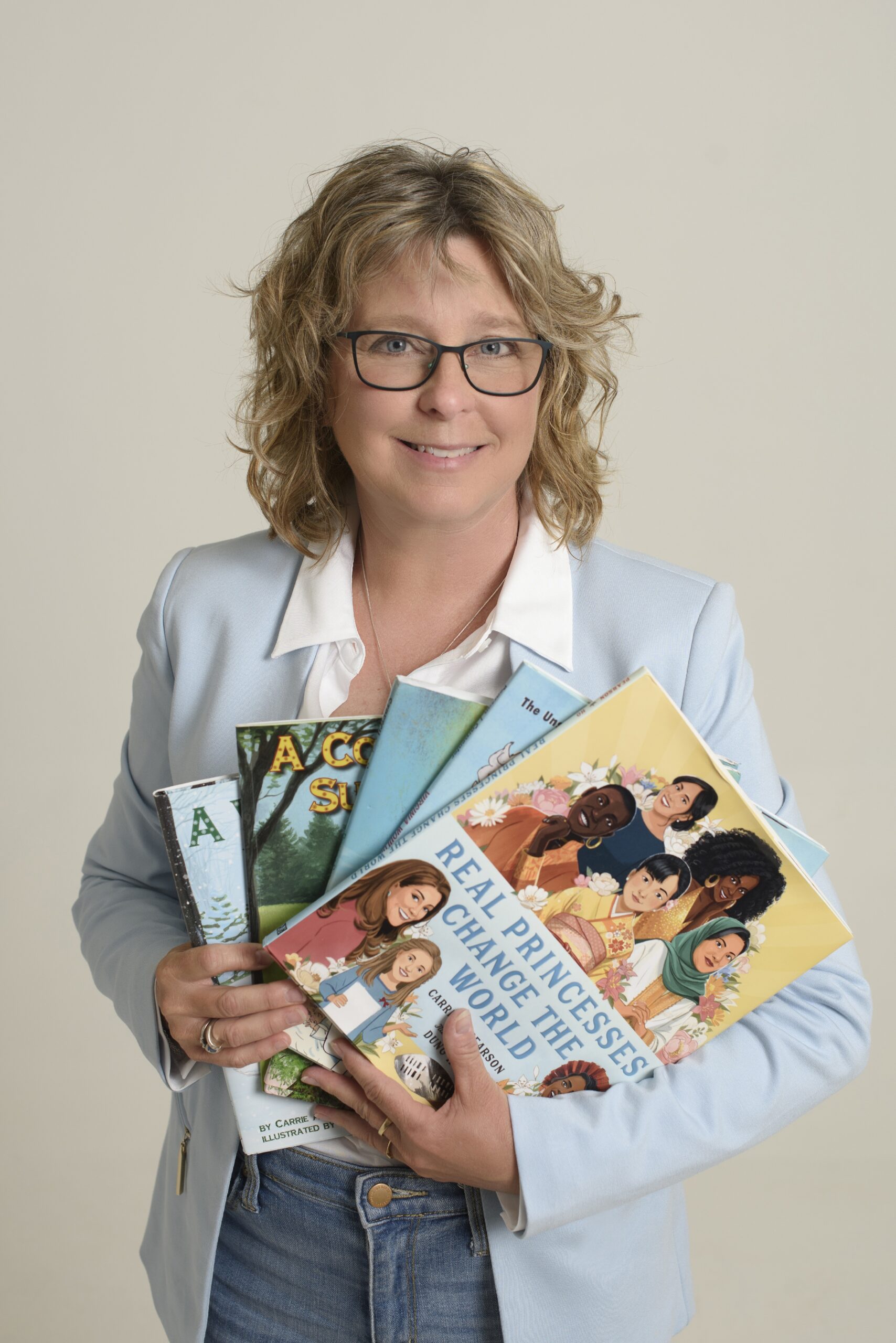
Carrie A. Pearson writes nonfiction for young readers, connecting them with science, nature, and hidden histories. Her latest authored book, Watch Them Grow: The Fascinating Science of Animal Beginnings (Millbrook Press/Lerner Books 2025), offers a window into what happens before animals are born and how they grow what they need to survive on their own. Find out more about Carrie and her work at www.carriepearsonbooks.com. For additional classroom extensions and activities, visit her on Pinterest.





Leave a Reply
Your email is safe with me.